Fertility Supplements: Your Evidence-Based Guide to Which Nutrients Actually Work for Conception in 2026


The fertility supplement market is vast and confusing. This guide cuts through the noise, examining the nutrients with the strongest research backing.
The Supplement Quality Challenge
Not all supplements are equal. Many contain less or more than claimed. The form matters: methylated folate is better absorbed than folic acid for those with MTHFR variants; picolinate minerals have superior bioavailability.
Science-Backed Supplementation
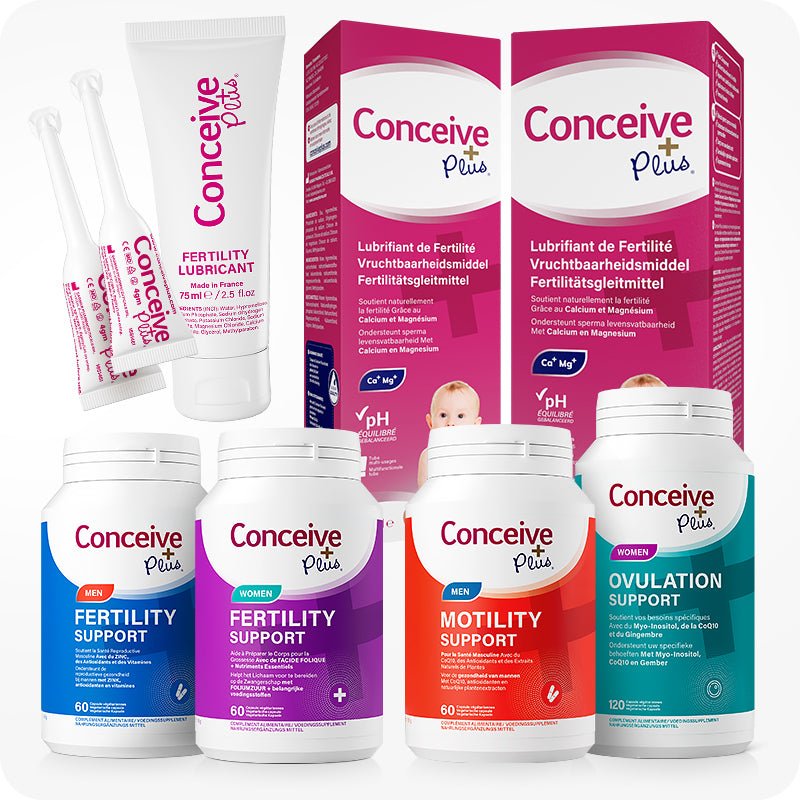
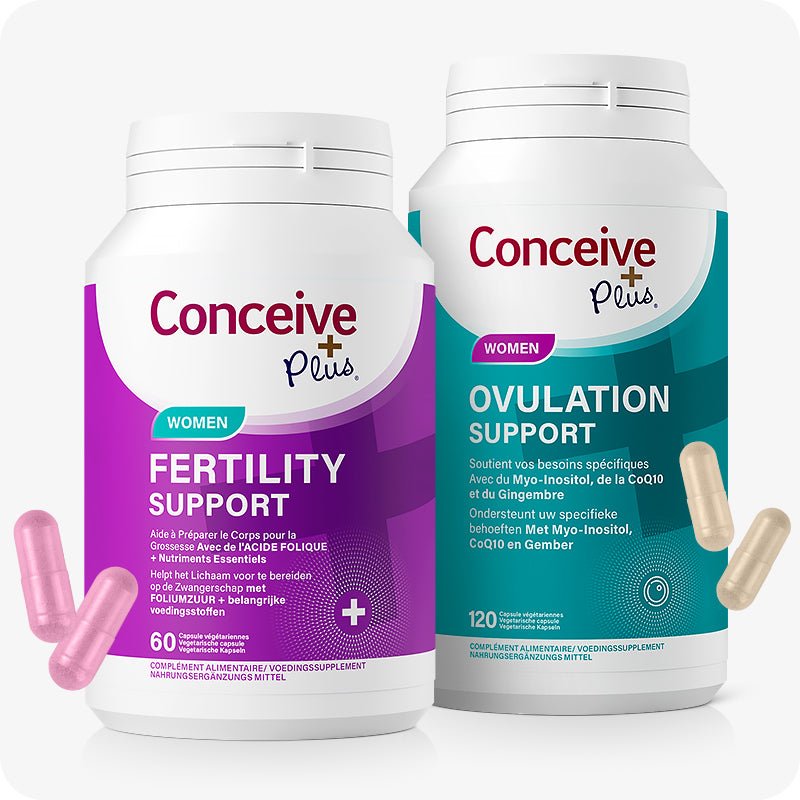
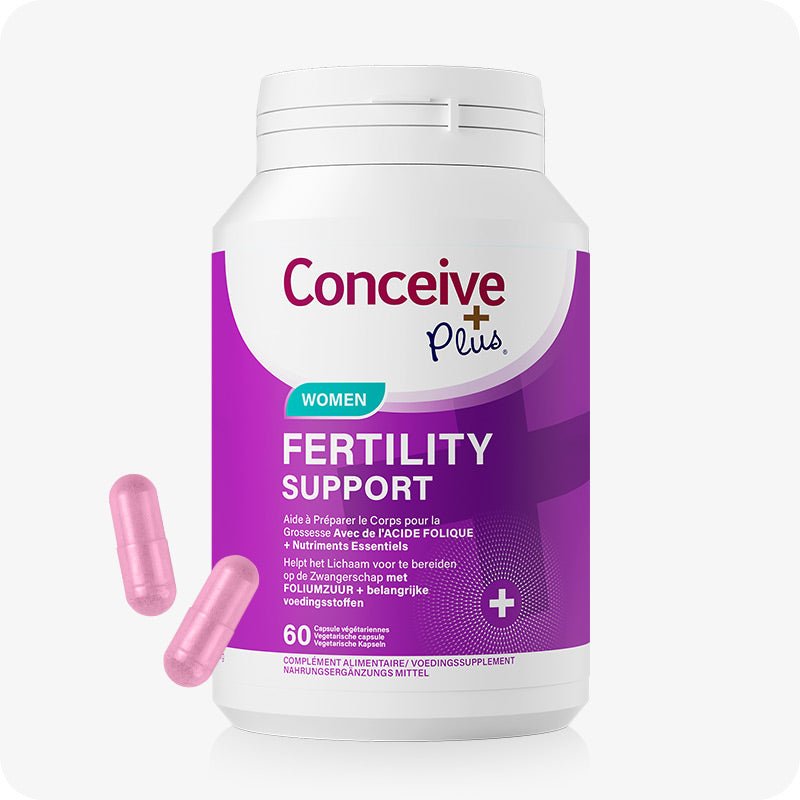
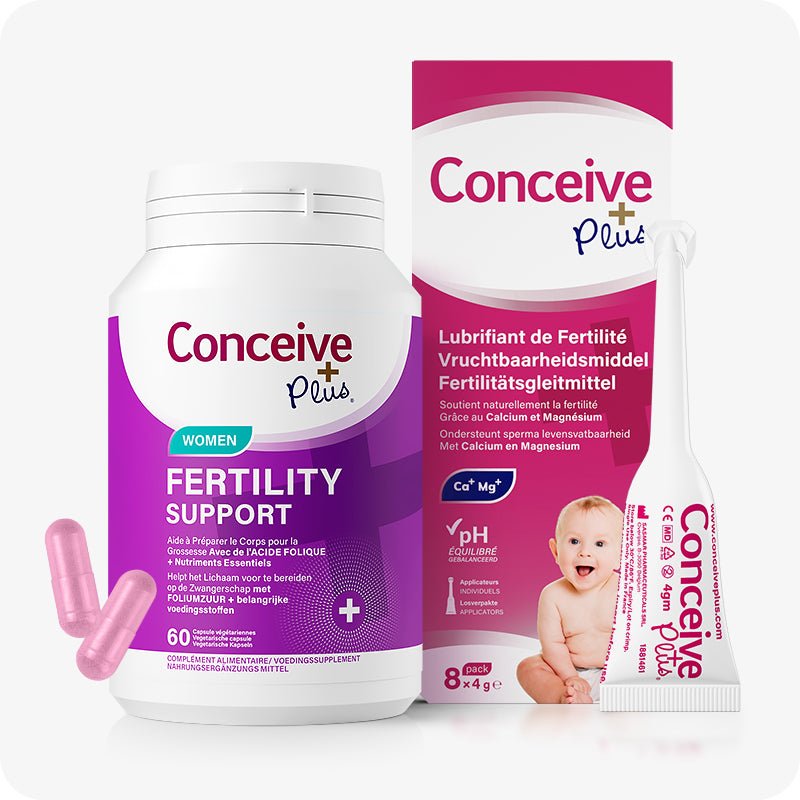
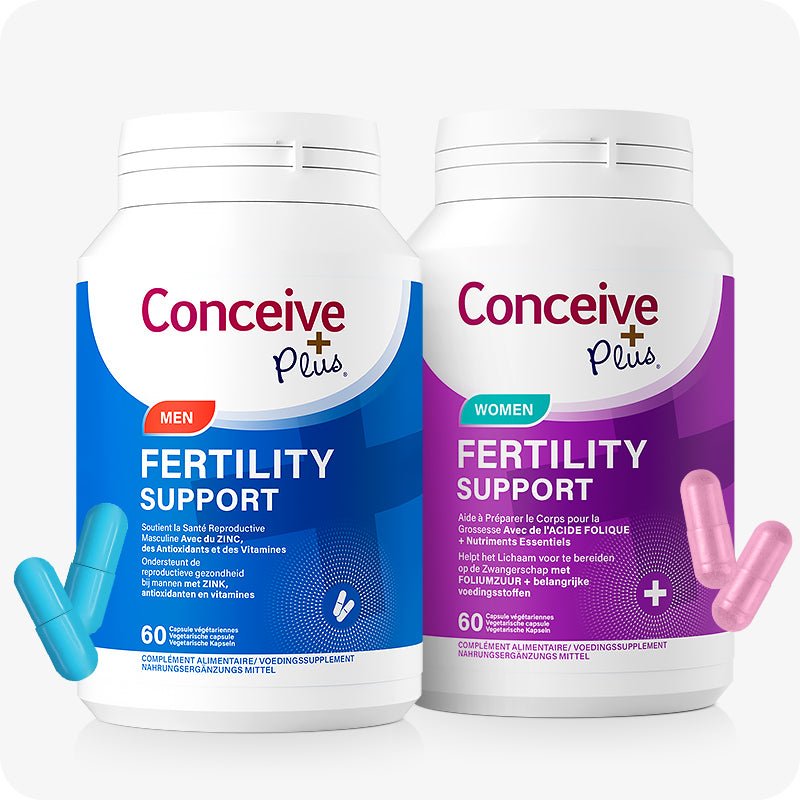
Choose Conceive Plus — clinically relevant doses of methylated folate, CoQ10, vitamin D3, zinc, and myo-inositol. Explore the Range →
Top-Tier Fertility Supplements
Coenzyme Q10 (CoQ10)
The most important supplement for women over 35. CoQ10 fuels mitochondrial energy in egg cells. Studies show it improves egg quality, embryo development, and IVF live birth rates. Dose: 200–600 mg daily.
Methylated Folate (5-MTHF)
Essential for DNA synthesis and methylation. Unlike synthetic folic acid, methylated folate is immediately usable. Dose: 400–800 mcg daily.
Vitamin D3
Every reproductive tissue has vitamin D receptors. Deficiency linked to lower IVF success and higher miscarriage. Target above 75 nmol/L. Dose: 1000–4000 IU daily.
Myo-Inositol
Particularly important for PCOS. Improves insulin sensitivity and restores ovulation. Dose: 2–4 g daily, often with D-chiro-inositol 40:1.
Zinc
Critical for both female and male fertility — ovulation, fertilisation, sperm production. Dose: 15–30 mg daily.
Omega-3s (EPA/DHA)
Reduce inflammation, support hormonal balance, improve cervical mucus. Dose: 500–1000 mg combined EPA/DHA daily.
Supplements for Male Fertility
Key supplements: CoQ10 (improves motility), Zinc (supports count), Selenium (protects DNA), Vitamin C (reduces oxidative damage), L-carnitine (improves motility).
Supplements to Approach with Caution
- High-dose vitamin A (retinol) — teratogenic in pregnancy
- High-dose vitamin E — bleeding risk
- Herbal supplements — lack quality control
- DHEA — medical supervision only
Choose Supplements That Meet the Evidence
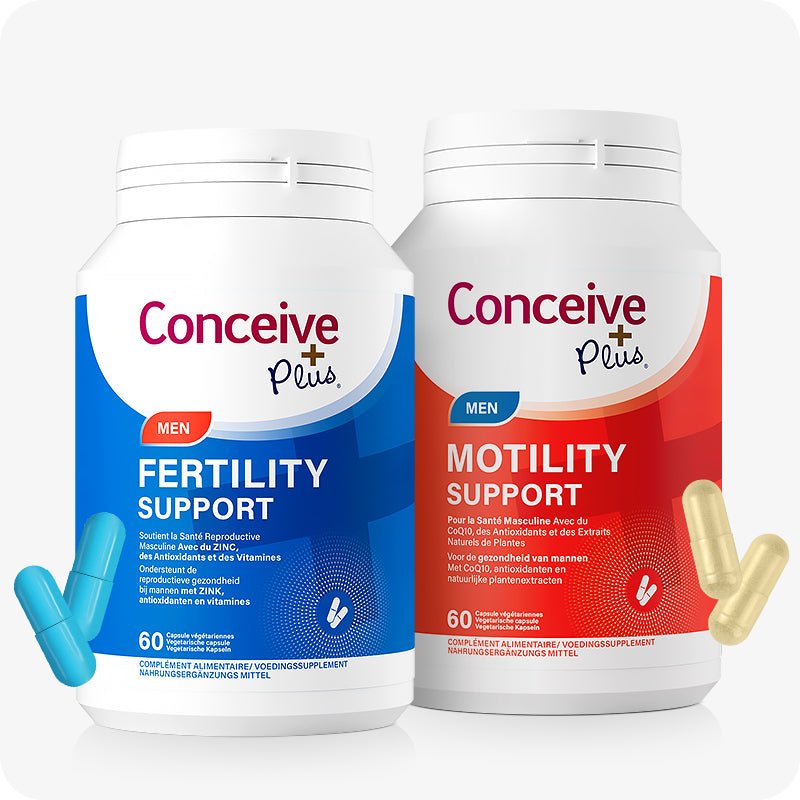
Conceive Plus includes every ingredient at clinically studied levels in bioavailable forms. Shop Conceive Plus →
Frequently Asked Questions
When to start supplements?
3–6 months before TTC — egg and sperm development take ~90 days.
Can I take too many?
Yes. More is not better. Stick to evidence-based doses.
Do men need supplements?
Yes. Male factor contributes to nearly half of infertility.
Are gummy supplements effective?
Generally lower in nutrient density. Capsules are more reliable.
Do I need supplements if I eat well?
Even the best diet has gaps. A quality supplement provides insurance.
What is the most important supplement?
Folate is the most critical, followed by vitamin D and CoQ10.
Should I take a multivitamin or individual supplements?
A targeted fertility supplement as foundation, with additional CoQ10 and omega-3s as needed.
Final Thoughts
Fertility supplements work best within a comprehensive approach including nutrition, exercise, stress management, and medical care.