Fertility Diet: The Ultimate Nutrition Guide for Getting Pregnant Faster


Fertility Diet: The Ultimate Nutrition Guide for Getting Pregnant Faster
What you eat has a profound impact on your fertility. The research is clear: a fertility diet rich in certain nutrients and food patterns can meaningfully improve the chances of conception, support hormonal balance, protect egg and sperm quality, and reduce the risk of early pregnancy loss. This comprehensive guide brings together the best available evidence on nutrition for fertility — covering both female and male dietary strategies — and translates it into practical, actionable food choices you can start making today.
Conceive Plus supports every couple's path to parenthood, including the nutritional foundations that make successful conception more likely. A fertility diet and targeted supplementation are complementary strategies — not either/or choices. Let's explore the evidence.
The Fertility Diet Foundation: Mediterranean-Style Eating
The single most evidence-backed dietary pattern for fertility is the Mediterranean diet. Multiple large prospective studies have found associations between adherence to Mediterranean-style eating and improved fertility outcomes in both women and men.
A landmark 2018 study of 244 women undergoing IVF found that those who most closely adhered to a Mediterranean diet pattern in the six months before treatment were 66% more likely to achieve a live birth compared to those with the lowest adherence. A 2019 study in Human Reproduction similarly found that higher Mediterranean diet adherence was associated with significantly higher clinical pregnancy and live birth rates in IVF cycles.
What characterises the Mediterranean fertility diet? Abundant vegetables and fruits, legumes, whole grains, olive oil, nuts, fatty fish, moderate poultry and dairy, and limited red meat, processed foods, and added sugar. This pattern provides a broad spectrum of antioxidants (protecting eggs and sperm), healthy fats (supporting hormone production and implantation), folate-rich foods (protecting DNA), and fibre (supporting hormone metabolism and gut health).
Key Nutrients in a Fertility Diet
Ready to Support Your Fertility Journey?
Discover Conceive Plus — evidence-based fertility support trusted by couples worldwide.
Shop Conceive PlusWithin the broader Mediterranean framework, certain nutrients deserve special attention for their specific roles in reproductive function:
Folate and Folic Acid
Folate — the natural form found in food, versus folic acid, the synthetic form used in supplements and fortification — is essential for DNA synthesis and cell division. It reduces the risk of neural tube defects in early pregnancy, but its importance to fertility extends to egg development, sperm DNA integrity, and implantation.
Folate-rich foods include dark leafy greens (spinach, rocket, kale), legumes (lentils, chickpeas, black beans), avocado, asparagus, and broccoli. The recommended intake for women planning pregnancy is 400–800µg/day of folic acid/folate from supplements, in addition to dietary sources. Supplementation should begin at least one month before trying to conceive, and ideally 3 months before.
Omega-3 Fatty Acids
Long-chain omega-3 fatty acids — particularly EPA (eicosapentaenoic acid) and DHA (docosahexaenoic acid) — play critical roles in female fertility. DHA is essential for oocyte (egg) quality, corpus luteum function (which produces progesterone after ovulation), embryo development, and the formation of the neural tube and brain in early pregnancy. Omega-3 fatty acids also have anti-inflammatory properties that benefit women with endometriosis or PCOS-related inflammation.
Best dietary sources: oily fish (salmon, mackerel, sardines, trout), walnuts, flaxseeds, chia seeds. Women trying to conceive should aim for 2–3 portions of oily fish per week. For women who don't regularly consume oily fish, omega-3 supplementation (1–2g EPA+DHA/day) is recommended. Choose low-mercury fish — avoid swordfish, shark, king mackerel, and tilefish, which accumulate mercury that can impair neurological development.
Iron
Iron deficiency is one of the most common nutritional deficiencies in women of reproductive age, and it can directly impair ovulation. Studies have found that women with higher non-haem iron intake (from plant sources and supplements) have significantly lower rates of ovulatory infertility compared to women with lower intakes.
Iron-rich foods for fertility: lentils, tofu, fortified cereals, dark leafy greens, pumpkin seeds, and dried apricots (non-haem iron sources, with bioavailability improved by consuming vitamin C alongside). Red meat provides haem iron (more bioavailable) — modest amounts (2–3 servings per week of lean cuts) are beneficial; excessive red meat intake has been associated with poorer fertility outcomes in some studies.
Vitamin D
Vitamin D deficiency is endemic across Northern European populations, and emerging research links adequate vitamin D status to multiple aspects of female reproductive health — including ovarian reserve, endometrial receptivity, IVF success rates, and implantation. Vitamin D receptors are found on ovarian cells, the endometrium, and trophoblast cells (the embryonic cells that become the placenta).
Dietary sources of vitamin D are limited (oily fish, fortified dairy, egg yolks), making supplementation often essential, particularly in Northern Europe where sun exposure is insufficient for much of the year. Current UK/EU guidelines recommend 400–800IU daily; fertility specialists often recommend 1,000–2,000IU/day based on blood level targets. A serum 25-OH vitamin D level above 50nmol/L is generally considered sufficient; fertility-focused targets often aim for 75–100nmol/L.
Zinc
Zinc plays multiple roles in female fertility: it is essential for follicular development, oocyte maturation, fertilisation, and early embryo development. Zinc deficiency impairs hormone signalling and disrupts the LH surge that triggers ovulation. Adequate zinc intake has been associated with higher antral follicle counts and better embryo quality in IVF studies.
Zinc-rich foods: oysters (the highest dietary source), beef, chicken, legumes, pumpkin seeds, cashews, and fortified cereals. The recommended daily intake for women is 8mg (EU), with therapeutic fertility doses typically 15–25mg from supplements.
Foods to Limit or Avoid on a Fertility Diet
A fertility diet is as much about what to limit as what to eat:
Ultra-Processed Foods and Trans Fats
Trans fats (found in partially hydrogenated oils in processed foods) are among the most harmful dietary factors for fertility. A large Harvard Nurses' Health Study analysis found that each 2% increase in energy from trans fats was associated with a 73% higher risk of ovulatory infertility. Trans fats impair insulin sensitivity, promote inflammation, and disrupt hormonal signalling. Reading labels and avoiding foods with "partially hydrogenated oils" is an important dietary step.
Refined Carbohydrates and Added Sugar
High glycaemic load diets — rich in white bread, white rice, sweet drinks, and processed snacks — promote insulin resistance, which impairs ovulation (particularly in women with PCOS or insulin resistance). Replacing refined carbohydrates with whole grains, legumes, and vegetables is a meaningful dietary intervention. A 2009 prospective study found that women with the highest glycaemic load diets had significantly higher rates of ovulatory infertility.
Alcohol
Even moderate alcohol consumption during the conception-trying period is associated with reduced fertility. A 2016 Danish cohort study found that women consuming 14 or more drinks per week had significantly lower fecundability (monthly probability of conception) compared to abstainers. More recent analyses suggest even low-level consumption may have modest effects. The precautionary approach — particularly in the periconception period — is to minimise or eliminate alcohol.
Caffeine
The evidence on caffeine and fertility is more nuanced. High caffeine intake (>300mg/day, approximately 3+ cups of coffee) is associated with longer time to conception and higher miscarriage risk in some studies. Current guidance recommends limiting caffeine to under 200mg/day when trying to conceive. That's approximately one to two standard cups of coffee, or two to three cups of tea.
The Male Fertility Diet
The fertility diet conversation must include men. Diet affects sperm quality profoundly, through the same oxidative stress and nutritional pathways that affect female fertility. Key dietary principles for male fertility:
- Antioxidant-rich foods: Berries, tomatoes (lycopene), peppers, citrus fruits, dark chocolate — all provide free radical-scavenging nutrients that protect sperm from oxidative damage
- Adequate zinc and selenium: Red meat, oysters, eggs, Brazil nuts, sunflower seeds — essential minerals for testosterone production and sperm function
- DHA-rich foods: Oily fish, walnuts — DHA is the dominant fatty acid in sperm plasma membranes, essential for membrane fluidity and fertilisation
- Lycopene: Found in tomatoes, watermelon, and guava — lycopene is a powerful carotenoid antioxidant associated with improvements in sperm morphology in clinical studies
- Limiting alcohol and processed meat: Both are associated with poorer semen parameters in population studies
Supplements That Complete the Fertility Diet
Even the most well-crafted fertility diet cannot provide therapeutic levels of every key nutrient. This is where targeted supplementation plays a complementary role:
- Folic acid/methylfolate: 400–800µg/day, essential for neural tube protection and embryo development
- Vitamin D: 1,000–2,000IU/day, particularly important in Northern Europe
- Iodine: 150–220µg/day, essential for thyroid hormone production and foetal brain development — often poorly provided by modern diets
- Omega-3 DHA/EPA: 1–2g/day for those with low oily fish intake
- CoQ10: 200–600mg/day for women over 35 targeting egg quality
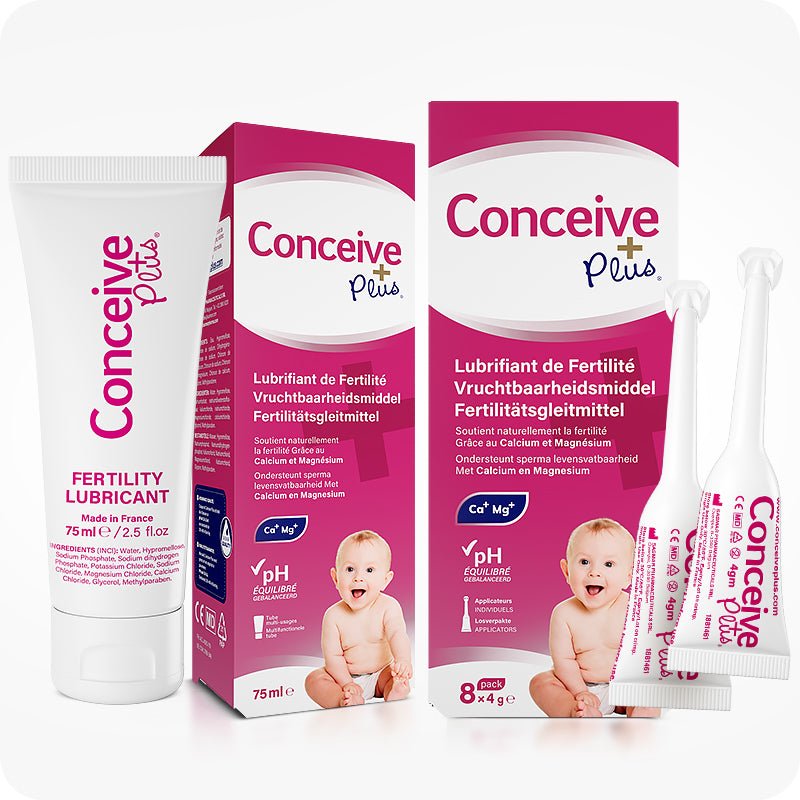
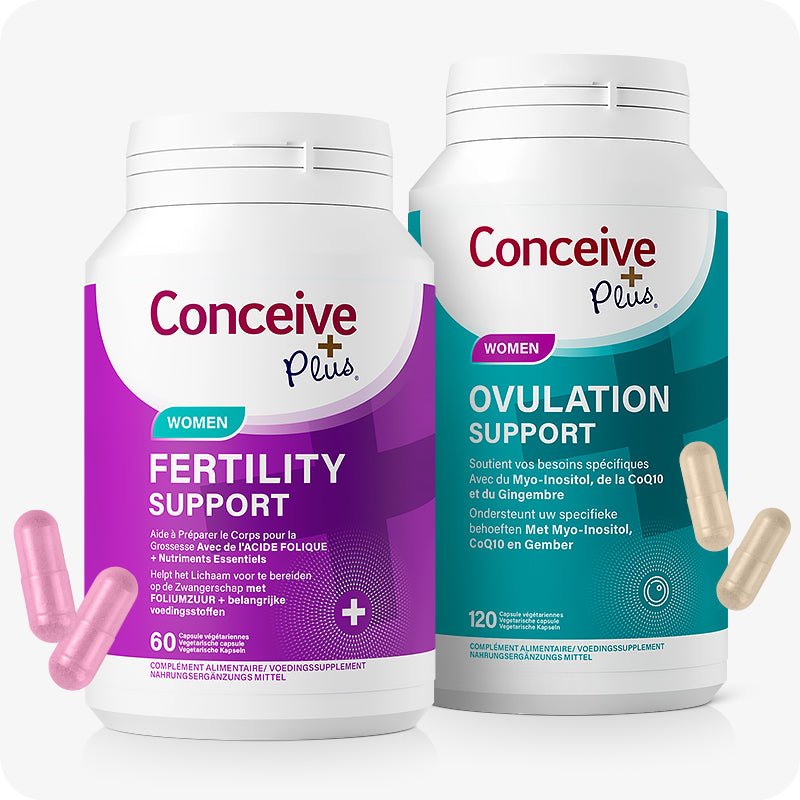
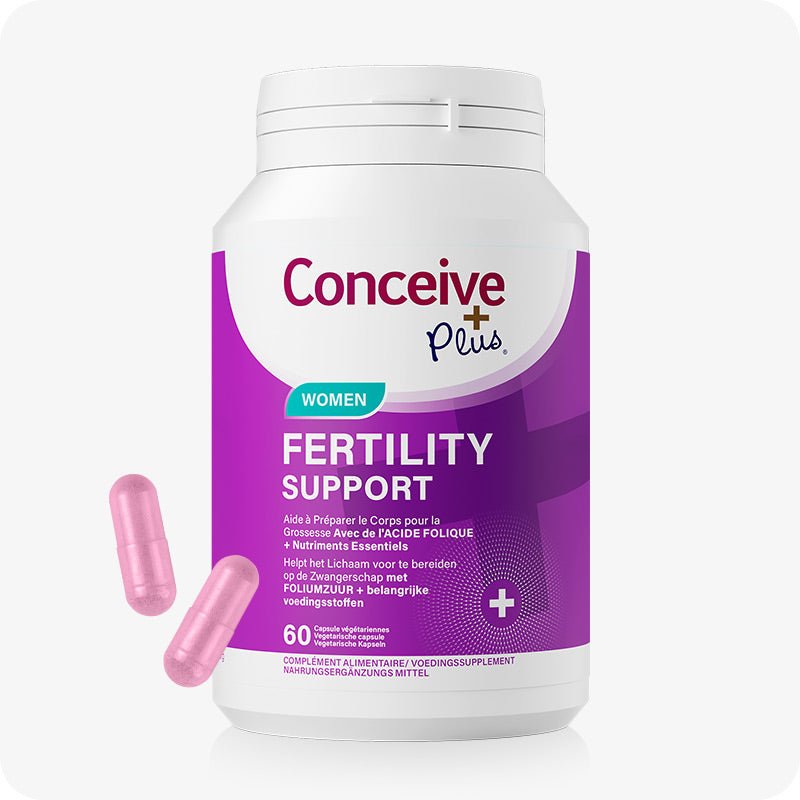
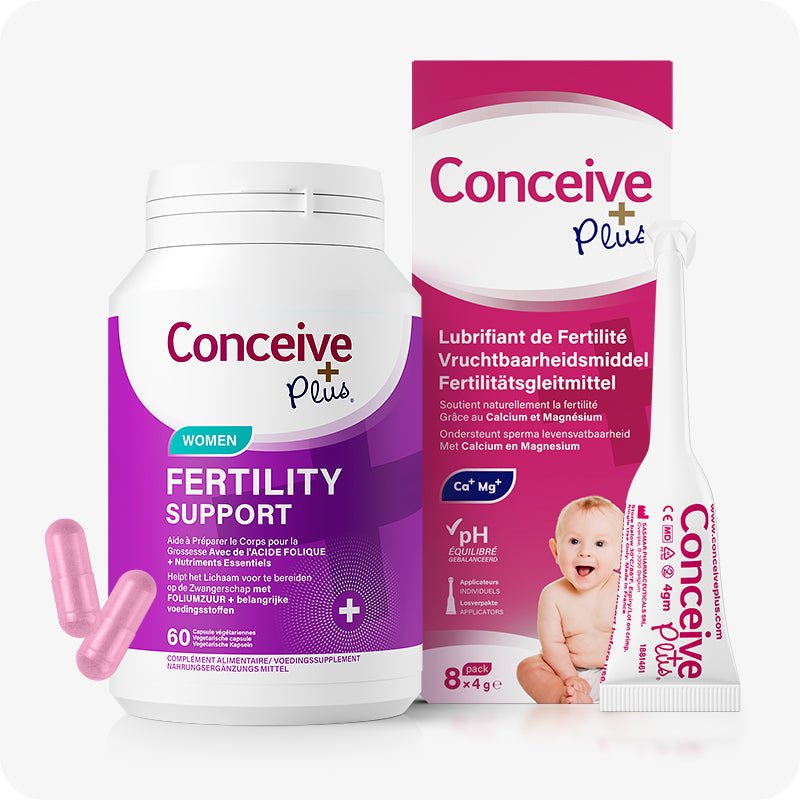
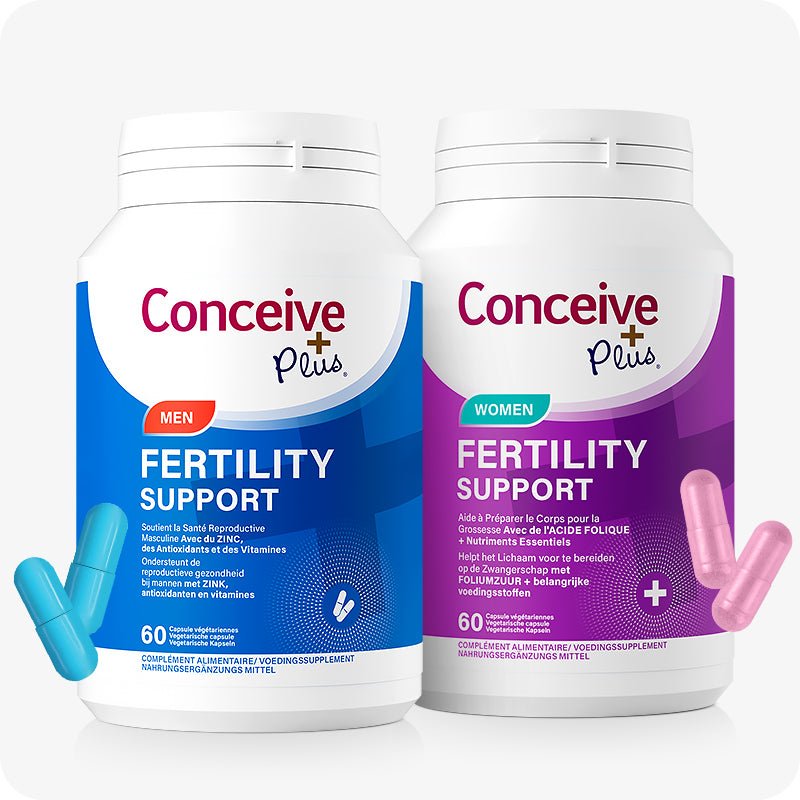
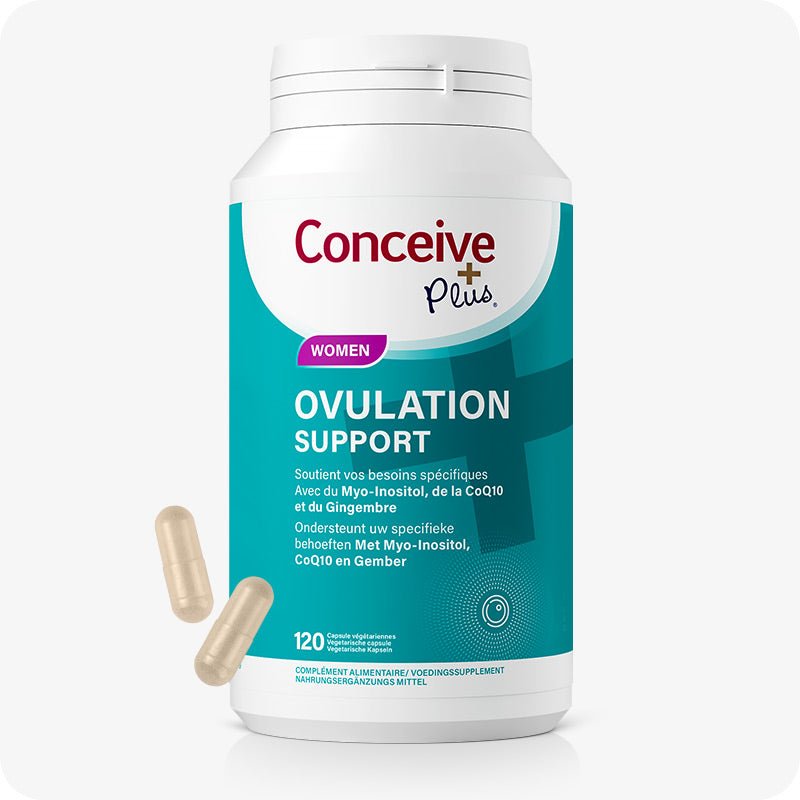
Conceive Plus fertility supplements are formulated to provide these key nutrients in evidence-based doses, complementing rather than replacing a nutritious diet. Explore the full range at conceiveplus.eu/collections/fertility-supplements.
Sample Fertility Diet Meal Plan
Breakfast: Whole grain porridge with berries and chia seeds, plus a small glass of orange juice (vitamin C to enhance iron absorption)
Mid-morning: A handful of mixed nuts (walnuts, cashews, Brazil nuts) and a piece of fruit
Lunch: Large salad with dark leafy greens, lentils, avocado, cherry tomatoes, pumpkin seeds, and olive oil dressing; plus a slice of whole grain bread
Snack: Greek yoghurt with a drizzle of honey
Dinner: Grilled salmon with roasted vegetables (courgette, peppers, red onion) and quinoa; olive oil drizzled over finished dish
Evening: A small square of dark chocolate (70%+ cacao) if desired
This sample day provides: high folate from greens and lentils; DHA/EPA from salmon; zinc and selenium from nuts and seeds; vitamin C from citrus and peppers; iron from lentils and pumpkin seeds; healthy fats from avocado, olive oil, and walnuts; and fibre to support hormone metabolism.
Body Weight and Fertility
Body weight is one of the most significant lifestyle factors affecting fertility. Both underweight (BMI below 18.5) and overweight/obesity (BMI above 25/30) are associated with hormonal disruption, irregular ovulation, and reduced fertility. The mechanisms differ:
Underweight: Very low body fat can suppress the hypothalamic-pituitary-ovarian axis, reducing or eliminating ovulation. This is the mechanism behind fertility impairment in eating disorders and excessive exercise.
Overweight/obesity: Excess adipose tissue increases insulin resistance, elevates oestrogen (through aromatisation of androgens in fat tissue), promotes chronic inflammation, and increases LH levels — all of which disrupt ovulation and implantation. In men, obesity impairs testosterone production and elevates scrotal temperature.
A fertility diet that supports a healthy weight — through nutrient-dense, satisfying foods rather than caloric restriction — is the optimal approach. Extreme diets and rapid weight loss are not recommended in the periconception period.
FAQ: Fertility Diet and Nutrition
Q: Can a fertility diet alone improve my chances of conceiving?
A: Dietary improvements can genuinely improve fertility outcomes, particularly for women with ovulatory dysfunction related to poor diet, weight, or insulin resistance. They work most powerfully as part of a comprehensive approach including supplementation, lifestyle modification, and medical care as needed.
Q: How long does it take for dietary changes to affect fertility?
A: Oocyte (egg) development takes approximately 3 months, and spermatogenesis takes 3 months. Dietary improvements made now will be reflected in egg and sperm quality after approximately 3 months. For hormonal changes related to insulin sensitivity, some improvements appear within weeks.
Q: Is the Mediterranean diet different from a fertility diet?
A: The Mediterranean diet is the best-evidenced dietary pattern for general health and fertility. A "fertility diet" emphasises the specific nutrients most critical for reproductive health within that framework, adding particular attention to folate, DHA, zinc, iodine, and vitamin D.
Q: Should I take prenatal vitamins before getting pregnant?
A: Yes — preconception supplementation is recommended to begin at least 1–3 months before trying to conceive. Key nutrients including folic acid, vitamin D, and iodine are needed from very early pregnancy (before many women know they are pregnant). Conceive Plus fertility supplements provide comprehensive preconception nutritional support.
Q: Does caffeine really affect fertility?
A: High caffeine intake (>300mg/day) is associated with longer time to conception and higher miscarriage risk. Limiting intake to under 200mg/day (1–2 cups of coffee) is the evidence-informed recommendation.
Q: Is organic food important for fertility?
A: Pesticide exposure is associated with impaired fertility in some occupational studies. Choosing organic for the "dirty dozen" (highest-pesticide produce) and washing all produce thoroughly is a reasonable precautionary measure, though direct evidence of benefit from organic diet specifically on fertility outcomes is limited.
Q: Can a plant-based diet support fertility?
A: Yes — well-planned plant-based diets can fully support fertility. Key considerations: ensure adequate B12 (supplement essential for vegans), vitamin D, DHA (algae-oil supplement), zinc, selenium, and iodine. Plant-based iron sources have lower bioavailability; combine with vitamin C to improve absorption.
Q: Does alcohol consumption before conception matter?
A: Yes — even moderate alcohol consumption during the periconception period is associated with reduced fertility and higher miscarriage risk. The evidence-based recommendation is to minimise or eliminate alcohol when actively trying to conceive.
Ready to Support Your Fertility Journey?
Discover Conceive Plus — evidence-based fertility support trusted by couples worldwide.
Shop Conceive Plus