IVF Preparation: How to Optimise Your Body Before Treatment


IVF Preparation: How to Optimise Your Body Before Treatment
IVF preparation begins long before your first injection. The 3–6 months before a treatment cycle are a critical window for optimising egg quality, sperm health, uterine receptivity, and overall reproductive function. Evidence increasingly shows that what both partners do before IVF significantly influences outcomes — from the number of eggs retrieved to fertilisation rates and live birth probability.
This guide covers the evidence-based steps for IVF preparation across nutrition, supplementation, lifestyle, and mindset — drawing on the latest reproductive medicine research to give you the most useful information possible.
Why Pre-IVF Preparation Matters
IVF success rates vary significantly based on factors within and outside your control. Age-related decline in egg quality is not fully reversible, but growing evidence suggests that nutritional and lifestyle interventions can meaningfully improve oocyte mitochondrial function, reduce DNA fragmentation in sperm, improve endometrial receptivity, and lower miscarriage risk.
A 2022 meta-analysis in Human Reproduction Update reviewed 36 studies and found that Mediterranean diet adherence before IVF was associated with significantly higher clinical pregnancy rates. A 2020 RCT found that CoQ10 supplementation for 60 days before IVF significantly improved ovarian response and the number of mature oocytes retrieved in women with diminished ovarian reserve.
These findings reinforce what reproductive endocrinologists increasingly advise: IVF preparation is not optional supplementary effort — it's a clinically meaningful intervention.
Egg Quality: The Foundation of IVF Success
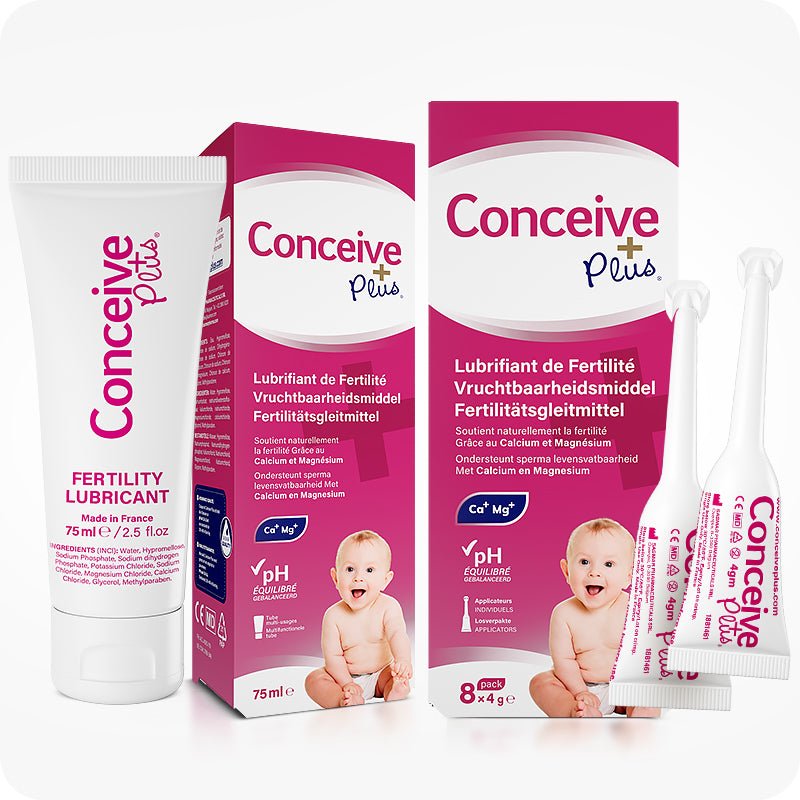
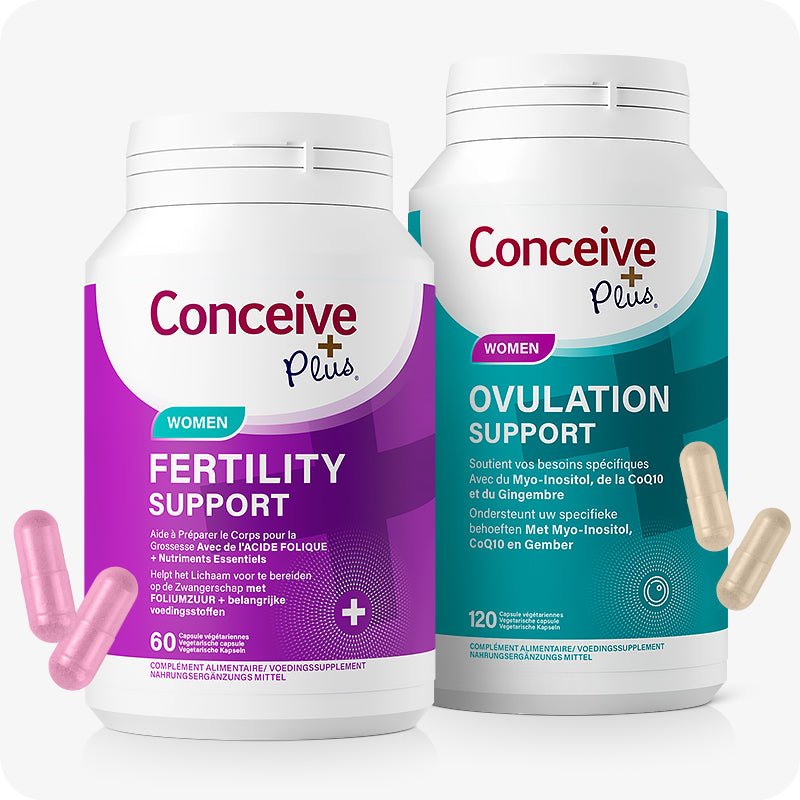
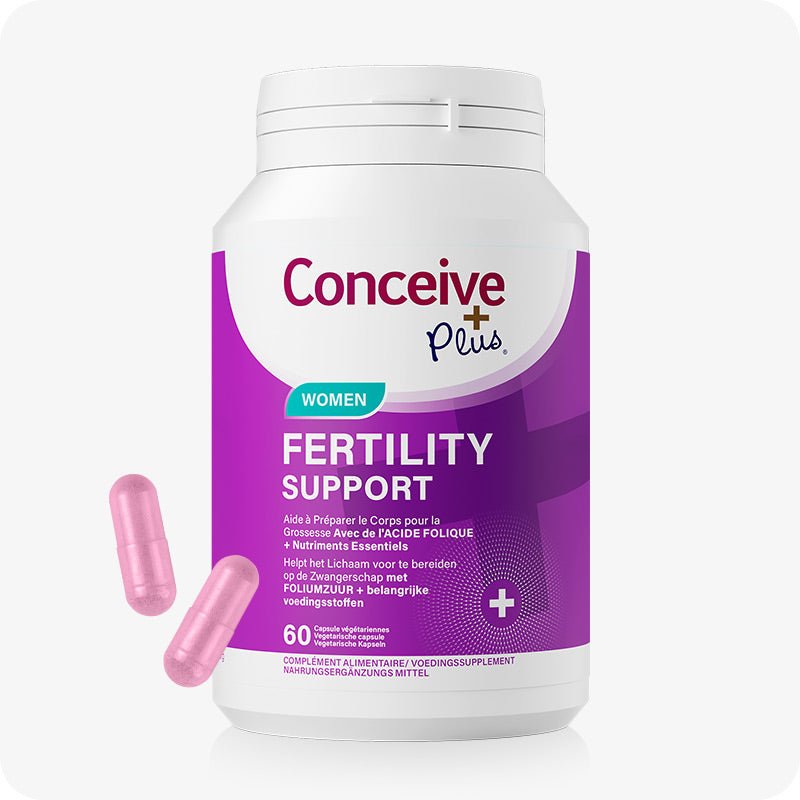
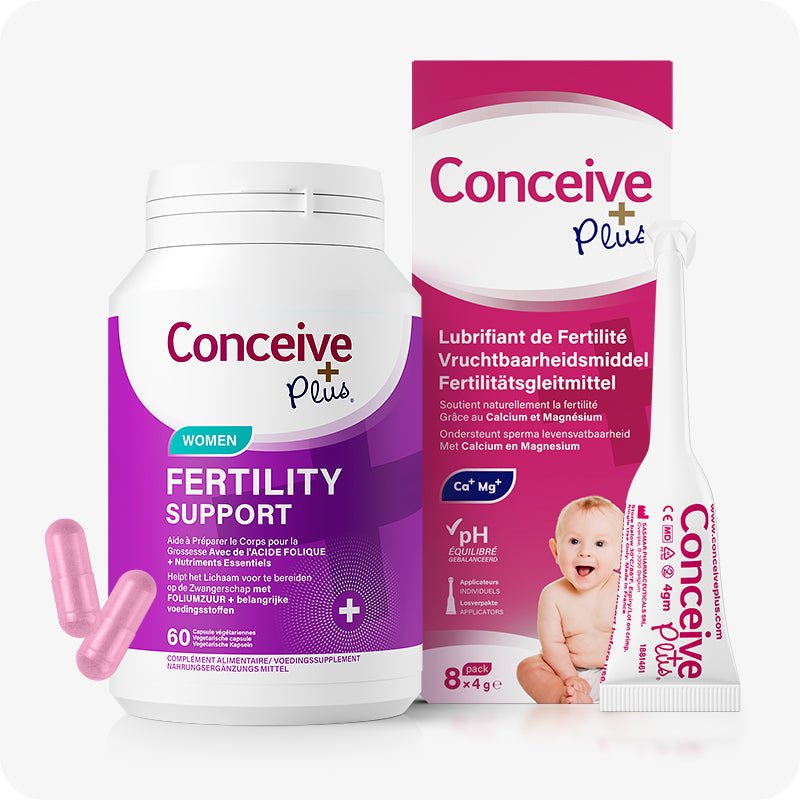
Ready to optimise your fertility journey? Explore Conceive Plus fertility supplements →
Egg quality is the most significant determinant of IVF success, particularly for women over 35. Unlike sperm, which are continuously produced, eggs are the same ones present since birth — meaning they accumulate oxidative damage over time. The key mechanisms of age-related egg quality decline include:
- Mitochondrial dysfunction: Eggs have the highest mitochondrial density of any cell. Declining ATP production in ageing mitochondria impairs the energy-intensive processes of meiosis and early embryo development.
- Oxidative stress: Reactive oxygen species (ROS) accumulate with age, damaging DNA, lipids, and proteins in the oocyte.
- Spindle abnormalities: Errors in the meiotic spindle increase with age, causing aneuploid (chromosomally abnormal) embryos.
Pre-IVF supplementation targets these mechanisms directly. Key nutrients for egg quality:
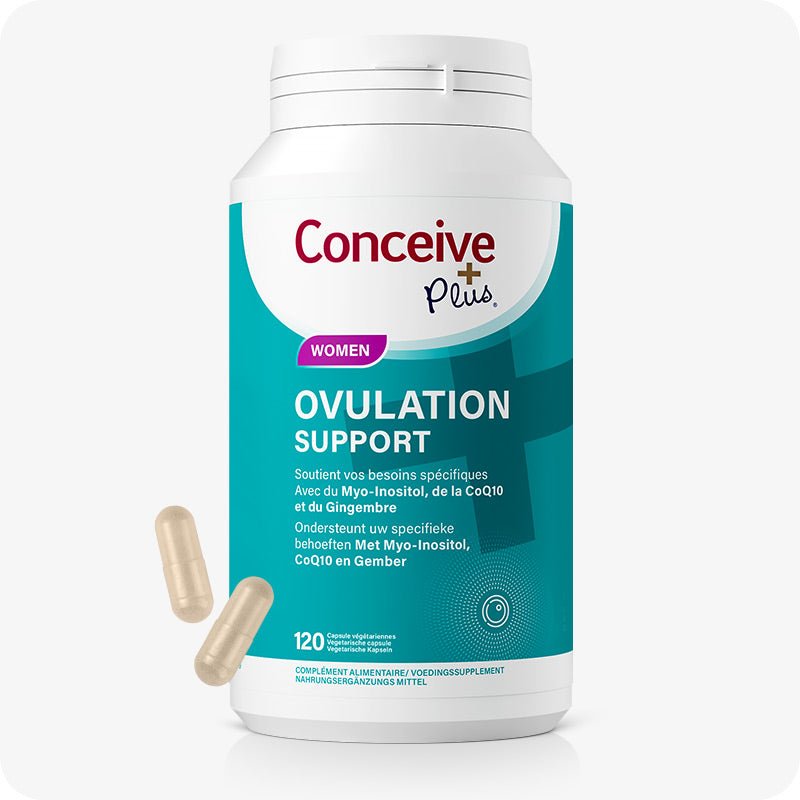
- CoQ10 (Ubiquinol): 400–600mg/day for 60+ days before retrieval. Supports mitochondrial ATP production in oocytes.
- Melatonin: 3mg at night — antioxidant that protects follicular fluid from oxidative damage during the follicular phase.
- DHEA: 25–75mg/day under medical supervision — may improve ovarian response in women with diminished ovarian reserve by increasing androgen exposure to developing follicles.
- Vitamin D3: Vitamin D deficiency is associated with significantly lower IVF success. Aim for serum levels >75 nmol/L.
Sperm Quality: Often Overlooked in IVF Preparation
Male factor contributes to infertility in approximately 50% of cases, yet male partners frequently receive less guidance on IVF preparation. Sperm DNA fragmentation — which standard semen analysis doesn't measure — significantly impacts fertilisation rates, embryo development, and miscarriage risk, even in IVF cycles with normal motility and morphology results.
Pre-IVF male preparation should include:
- Antioxidant supplementation: Vitamin C, vitamin E, CoQ10, zinc, selenium, and N-acetyl cysteine (NAC) all reduce sperm DNA fragmentation. A 2019 Cochrane review found antioxidant supplementation significantly improved live birth rates in male factor infertility.
- L-carnitine and L-arginine: Improve sperm motility and mitochondrial function in the flagellum.
- Lifestyle: Reduce alcohol, quit smoking, maintain healthy weight, avoid heat exposure to the scrotum (hot baths, laptops on lap, cycling for extended periods).
- Timeline: Spermatogenesis takes 74 days — changes made today affect sperm quality in approximately 2.5 months.
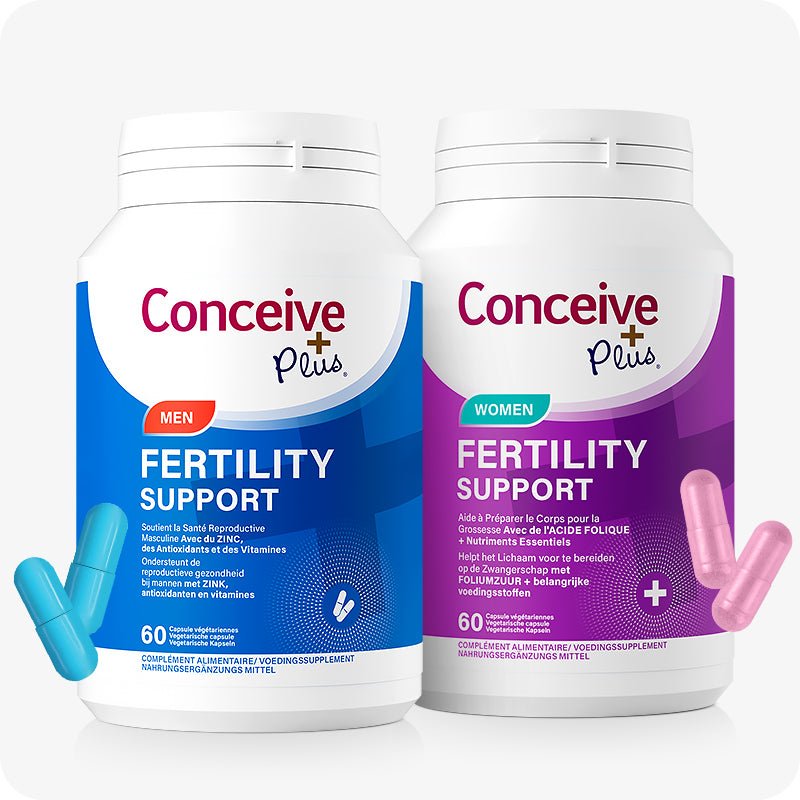
Conceive Plus male fertility supplements provide a comprehensive antioxidant and micronutrient formula specifically formulated to support sperm DNA integrity, motility, and overall semen quality — ideal for the pre-IVF preparation window.
Endometrial Preparation: Making Your Uterus Receptive
A high-quality embryo can only implant in a receptive endometrium. Endometrial receptivity is a complex, hormonally regulated state — but several evidence-backed interventions can optimise it:
- Acupuncture: A Cochrane review found modest positive effects on pregnancy rates from IVF when acupuncture was performed around embryo transfer, possibly via improved uterine blood flow.
- Vitamin D: Vitamin D receptors are found throughout the endometrium. Deficiency is associated with thinner endometrial lining and impaired receptivity.
- Anti-inflammatory diet: Chronic low-grade inflammation (from diet, obesity, environmental exposures) impairs endometrial function. Mediterranean-style eating reduces systemic inflammatory markers.
- Adequate iron levels: Iron deficiency anaemia is associated with poor endometrial development. Iron should be checked before IVF, particularly for women with heavy periods or restricted diets.
Stress Management: The HPA-HPG Axis Connection
Chronic psychological stress activates the HPA (hypothalamic-pituitary-adrenal) axis, releasing cortisol that suppresses GnRH pulsatility — the hormonal signal that drives FSH, LH, and the entire ovarian cycle. High cortisol also reduces endometrial receptivity by interfering with progesterone receptor activity.
The data on stress and IVF outcomes are mixed — some studies show significant effects, others show weak correlations. What is clear is that stress impairs sleep, disrupts eating patterns, and reduces physical activity — all of which independently affect fertility.
Practical stress management strategies for IVF preparation:
- Mindfulness-Based Stress Reduction (MBSR) — shown to lower cortisol and improve mood in infertility patients
- Regular moderate exercise (30 min, 5x/week) — reduces cortisol and improves insulin sensitivity
- Adequate sleep (7–9 hours) — melatonin and growth hormone secretion peak during deep sleep, both relevant to reproductive health
- Psychological support: IVF counselling, peer support groups, or individual therapy
Weight and BMI: A Significant Modifiable Factor
Both underweight and overweight significantly impact IVF outcomes. The evidence is clear:
- BMI >30: Associated with lower oocyte retrieval numbers, lower fertilisation rates, poorer embryo quality, and higher miscarriage rates. Excess adipose tissue converts androgens to oestrogen, disrupting hypothalamic feedback and ovarian function.
- BMI <18.5: Associated with reduced ovarian reserve, poor ovarian response to stimulation, and endometrial dysfunction.
- Optimal range: BMI 20–25. Even modest weight loss (5–10%) in overweight women significantly improves ovarian response and reduces cancellation rates.
If weight is a concern, prioritise gradual, sustainable dietary improvement over aggressive restriction — crash dieting before IVF is counterproductive and nutritionally depleting.
Environmental Toxins: Reducing Your Exposure
Endocrine-disrupting chemicals (EDCs) are ubiquitous environmental contaminants that interfere with hormone signalling. Research has linked several EDCs to reduced IVF success:
- BPA (bisphenol A): Found in some plastics — associated with reduced oocyte quality and embryo development. Avoid heating food in plastic containers; use glass or stainless steel where possible.
- Phthalates: Found in many personal care products — associated with reduced sperm quality and ovarian reserve markers. Choose phthalate-free cosmetics and toiletries.
- Pesticides: Some organophosphate pesticides interfere with steroidogenesis. Prioritise organic produce for the "Dirty Dozen" during pre-IVF preparation.
- Heavy metals: Lead and cadmium (from smoking) are particularly damaging to oocytes and sperm DNA.
Frequently Asked Questions: IVF Preparation
Q: How far in advance should I start IVF preparation?
A: Ideally 3–6 months before your cycle. This allows enough time for dietary and supplement changes to affect the egg and sperm cohort that will be used in your cycle.
Q: Which supplements should I discuss with my clinic before starting?
A: Always inform your IVF clinic of all supplements. Most fertility-specific supplements are safe and even recommended, but DHEA and high-dose melatonin should be used only under medical supervision.
Q: Can my partner's preparation affect IVF outcomes?
A: Yes, significantly. Sperm quality affects fertilisation rates, embryo quality, and miscarriage risk. Male preparation is as important as female preparation.
Q: Does alcohol need to be eliminated before IVF?
A: The evidence supports complete elimination — multiple studies have associated even moderate alcohol consumption with reduced IVF success rates. Three months of alcohol-free living before treatment is recommended.
Q: Should I exercise during IVF stimulation?
A: Moderate walking and yoga are generally safe. High-intensity exercise should be avoided during stimulation due to the risk of ovarian torsion with enlarged ovaries. Follow your clinic's specific guidance.
Q: Is CoQ10 safe to take throughout IVF preparation?
A: Yes — CoQ10 at the doses used for fertility support (200–600mg) is well-tolerated with a strong safety record. Ubiquinol (reduced form) is better absorbed than ubiquinone, particularly with food.
Q: Does acupuncture actually help IVF outcomes?
A: Evidence is mixed. Some meta-analyses show modest benefits on pregnancy rates; others show no significant effect. If acupuncture reduces your anxiety and improves sleep, those indirect benefits are real.
Q: What should I eat the day before egg retrieval?
A: Light, easy-to-digest foods. Avoid excessive fibre or gas-producing foods that could cause discomfort. Stay well-hydrated. Follow your clinic's nil-by-mouth guidelines from midnight before the procedure.
Comprehensive IVF preparation is one of the highest-impact investments a couple can make before their treatment cycle. The evidence is clear: egg quality, sperm quality, and endometrial receptivity are all meaningfully influenced by the 3–6 months preceding retrieval. Start early, be consistent, and work with your clinic to personalise your preparation protocol for the best possible outcome.
Start Your Conceive Plus Journey Today
Clinically formulated. Trusted by fertility specialists worldwide.
Shop Now →