Age and Fertility: What You Need to Know About Conceiving After 35


Age and Fertility: What You Need to Know About Conceiving After 35
Across Europe, the average age of first-time mothers has risen steadily for decades. In Germany, France, and the Netherlands, the mean age at first birth now exceeds 30 years. For many women, this reflects changed life circumstances — career development, partner availability, financial stability — rather than a preference for delayed parenthood. Yet the biology of reproduction does not follow societal timelines, and understanding the relationship between age and fertility is essential for anyone trying to conceive in their mid-thirties or beyond.
This guide provides an honest, science-based overview of how fertility changes with age — for both women and men — what those changes mean practically, and what genuinely helps. Because while age-related fertility decline is real, it is also frequently overstated and poorly contextualised for individual couples.
How Female Fertility Changes With Age
A woman's reproductive biology is fundamentally different from a man's in one critical respect: she is born with all the eggs she will ever have. At birth, the ovaries contain approximately 1–2 million primordial follicles (immature eggs). By puberty, this number has fallen to around 300,000–400,000. Through each menstrual cycle, a cohort of follicles begins development — only one typically reaches full maturity and ovulates, while the rest undergo apoptosis (programmed cell death).
This relentless attrition means that by age 37, most women have around 25,000 follicles remaining; by 51 (average menopause age), fewer than 1,000. But quantity alone doesn't tell the full story. Quality is equally important — and quality also declines with age.
The Egg Quality Problem
As eggs age inside the ovary, they accumulate mutations in their mitochondria (the cell's energy generators) and are increasingly prone to chromosomal errors during meiosis — the cell division that produces a mature egg. These chromosomal errors (aneuploidy) are the primary reason that:
- Miscarriage rates increase with maternal age (from ~10% at age 25 to ~25% at 35 and ~50% at 42)
- IVF cycles produce fewer viable embryos per retrieval as age increases
- Down syndrome and other trisomies occur more frequently with advanced maternal age
- Time to conception lengthens even for women with seemingly normal ovarian reserve
The probability of conceiving in any given menstrual cycle (fecundability) declines from approximately 25% at age 25 to around 15% at 35, 10% at 38, and 5% at 42. These are population-level statistics — individual variation is significant.
Anti-Müllerian Hormone (AMH) and Ovarian Reserve
AMH is produced by small growing follicles and is the best clinical marker of ovarian reserve — the remaining supply of eggs. AMH levels naturally decline with age and can be measured with a simple blood test. A low AMH for one's age suggests diminished ovarian reserve, while a high AMH (often seen in PCOS) suggests a larger follicle pool.
Important nuances:
- AMH reflects quantity of remaining eggs, not quality
- Low AMH can still result in natural conception — it primarily affects response to IVF stimulation
- AMH varies between laboratories and should be interpreted alongside an antral follicle count (AFC) ultrasound
How Male Fertility Changes With Age
Support Your Fertility at Every Age With Conceive Plus
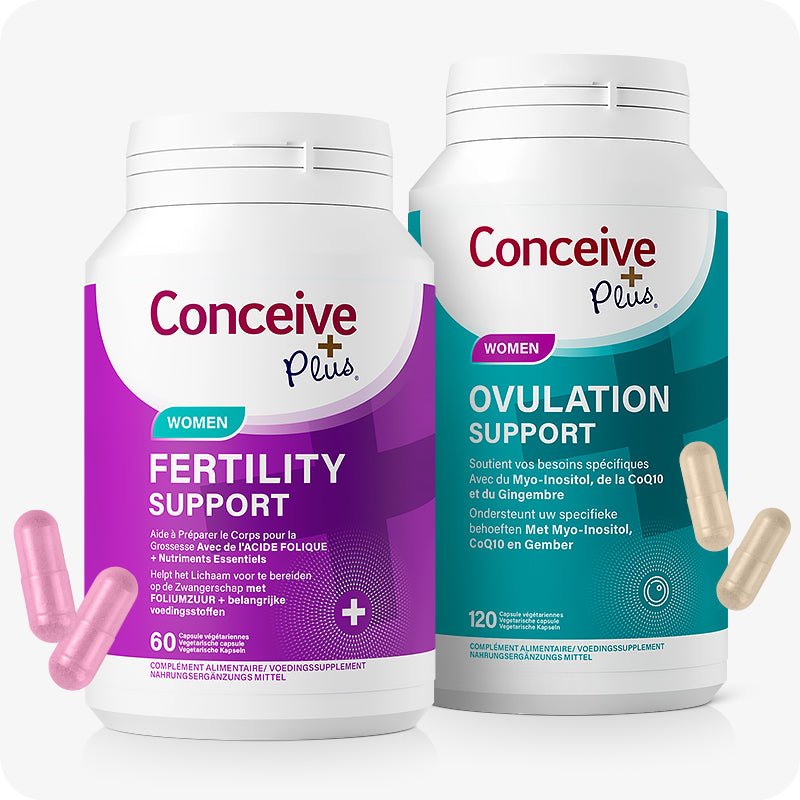
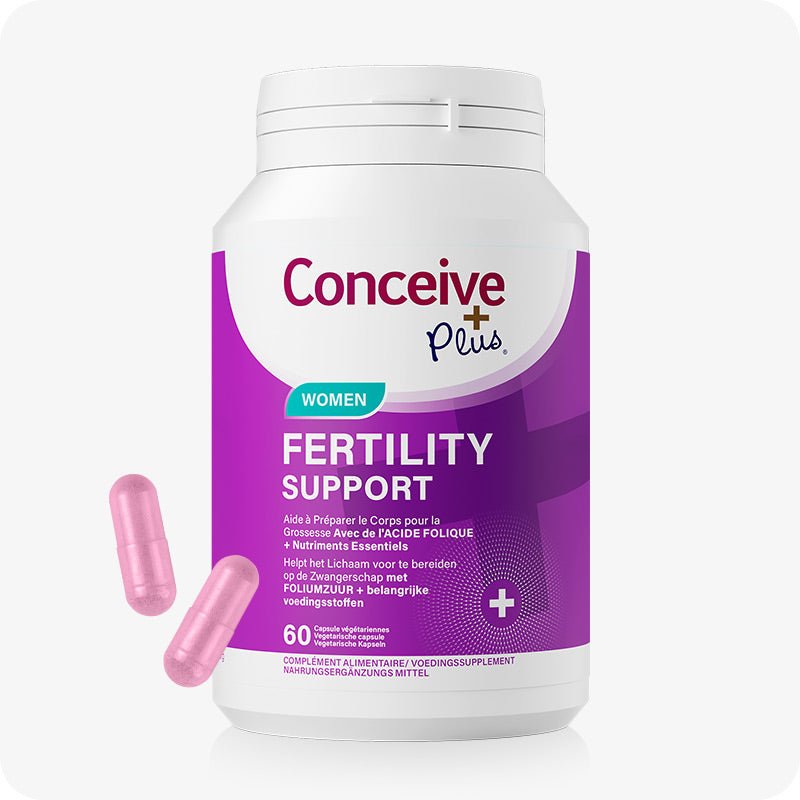
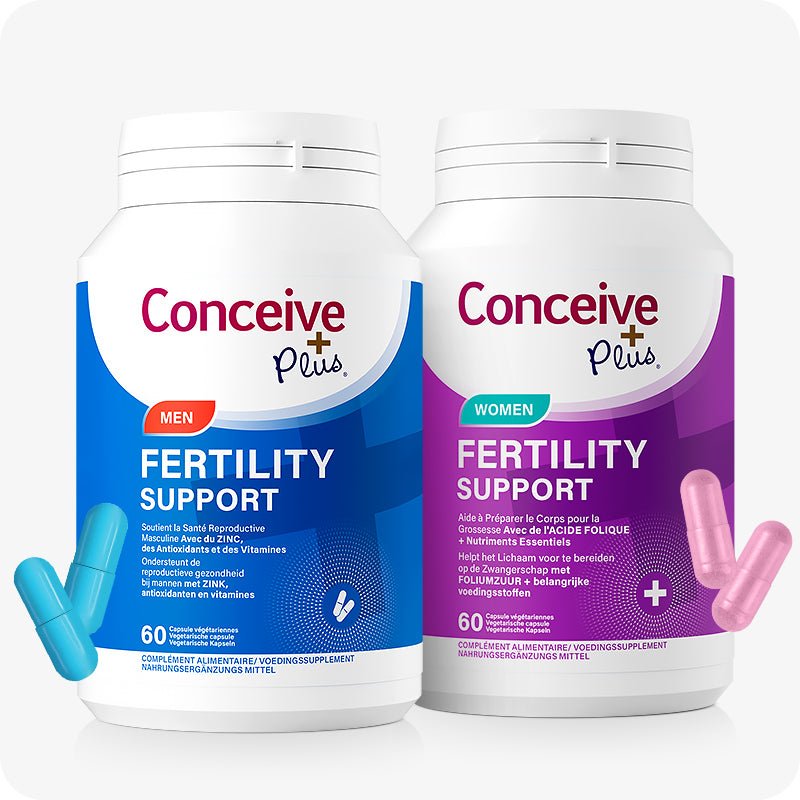
Conceive Plus fertility supplements are formulated with the nutrients that matter most for egg quality, hormonal balance, and conception — trusted across Europe.
Shop Conceive Plus Europe →Male fertility also declines with age, though more gradually and with less absolute impact than female fertility. Unlike women, men continuously produce new sperm throughout their adult lives via spermatogenesis. However, this process becomes less efficient and more error-prone with age.
After age 40, men typically experience:
- Declining testosterone levels (approximately 1–2% per year after 30)
- Decreased sperm count and concentration
- Reduced sperm motility and forward progression
- Increased sperm DNA fragmentation — associated with miscarriage and embryo quality issues in IVF
- Increased de novo mutations in sperm DNA — linked to higher rates of certain conditions in offspring
Research from a 2019 study in Human Reproduction found that couples where the male partner was over 45 had significantly longer time-to-conception and higher miscarriage rates, even when the female partner was under 35. Advanced paternal age is a real biological factor that deserves attention alongside discussions of maternal age.
What "After 35" Actually Means for Conception Timelines
The most important number to understand when discussing age and fertility is not a probability percentage — it's the recommended timeline for seeking medical advice. European medical guidelines (ESHRE, RCOG) state:
- Under 35: Seek evaluation after 12 months of unprotected intercourse without conception
- 35–37: Seek evaluation after 6 months
- Over 38: Seek evaluation after 3 months, or proactively at the start of trying
These timelines exist because time matters. If there is an underlying issue — tubal blockage, ovarian reserve concern, male factor — identifying it earlier leaves more time for intervention. Women over 38 who are trying to conceive should not wait a full year before seeking evaluation.
Practical Strategies to Optimise Fertility After 35
1. Optimise Egg Quality With Targeted Supplementation
Egg quality is the primary challenge of age-related fertility decline, and nutritional supplementation has the strongest evidence base for addressing it:
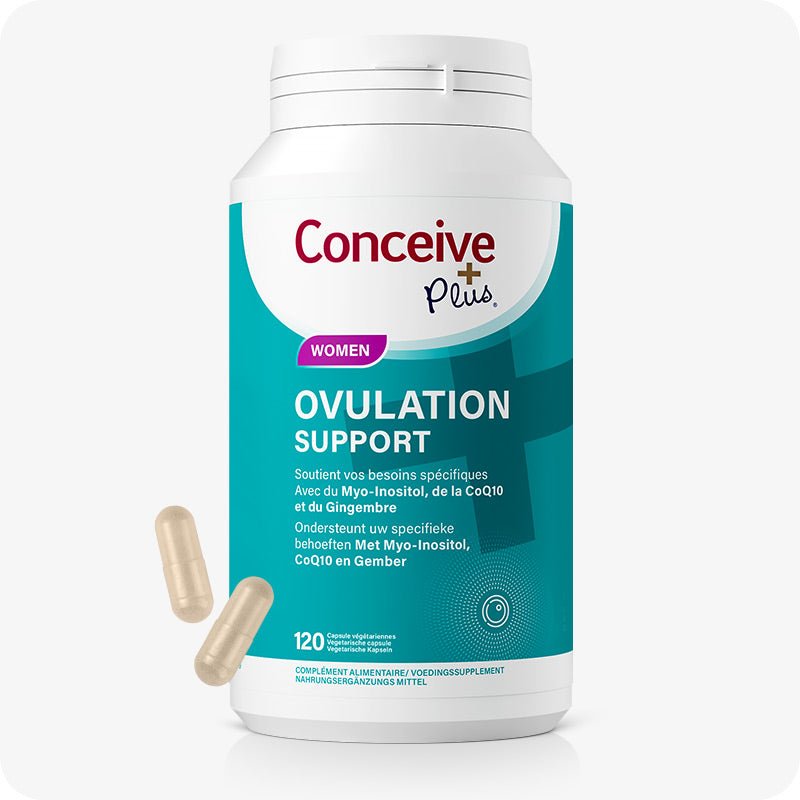
CoQ10 (Ubiquinol) — 400–600 mg/day. CoQ10 is the central molecule in mitochondrial energy production. Eggs rely entirely on their mitochondria for the energy needed during fertilisation and early division. Research (Ben-Meir et al., 2015) demonstrated that CoQ10 supplementation improved egg quality and pregnancy rates in older women — precisely the population most affected by mitochondrial dysfunction in eggs.
Methylfolate (Active Folate) — 400–800 mcg/day. Folate supports DNA synthesis and repair in rapidly dividing cells — exactly what's needed in a fertilised egg. Women over 35 should prioritise methylfolate over folic acid due to potentially reduced MTHFR enzyme activity with age.
Vitamin D — 1000–2000 IU/day (after testing). Vitamin D deficiency is associated with poorer ovarian function and lower IVF success rates. Many Europeans — particularly in northern latitudes — are deficient.
Omega-3 fatty acids — 1000–2000 mg DHA/EPA daily. Omega-3s are incorporated into egg cell membranes and reduce systemic inflammation that can impair reproductive function.
Antioxidants — Vitamin C (500 mg), Vitamin E (200 IU), selenium (100 mcg). The cumulative oxidative burden on eggs over decades is partly reversible with antioxidant supplementation.
2. Track Ovulation Accurately
As cycles can become less regular in the late thirties, relying on calendar-based fertile window prediction becomes less reliable. Women over 35 should use:
- Ovulation predictor kits (OPKs) — detecting the LH surge that precedes ovulation by 24–36 hours. Digital OPKs with clear high/peak readings are more user-friendly than standard test lines.
- Basal body temperature (BBT) charting — confirming ovulation occurred post-hoc (temperature rises after ovulation). Apps like Kindara or Natural Cycles can assist with interpretation.
3. Use a Fertility-Safe Lubricant
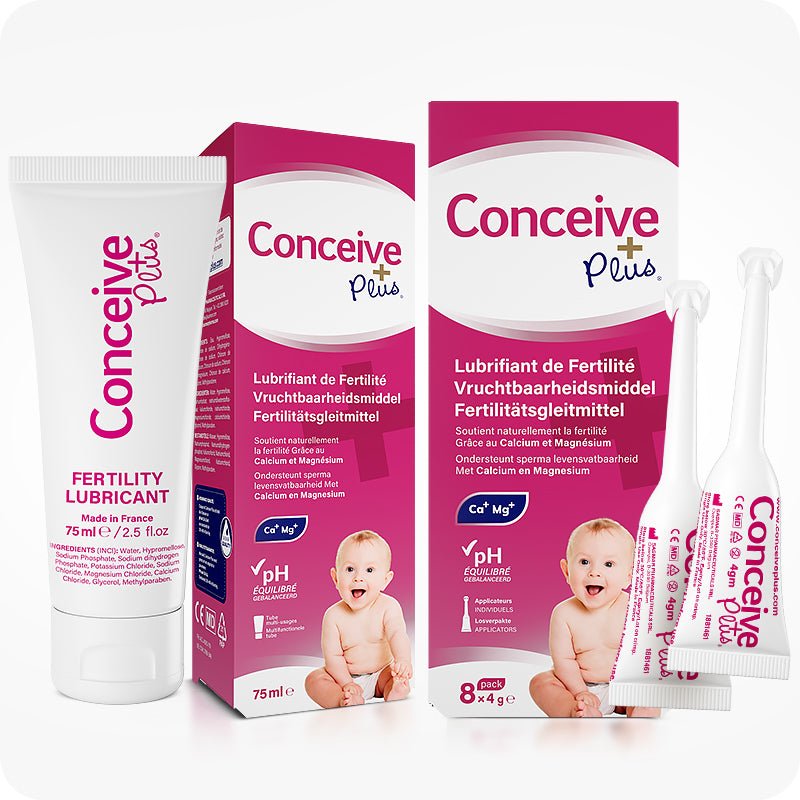
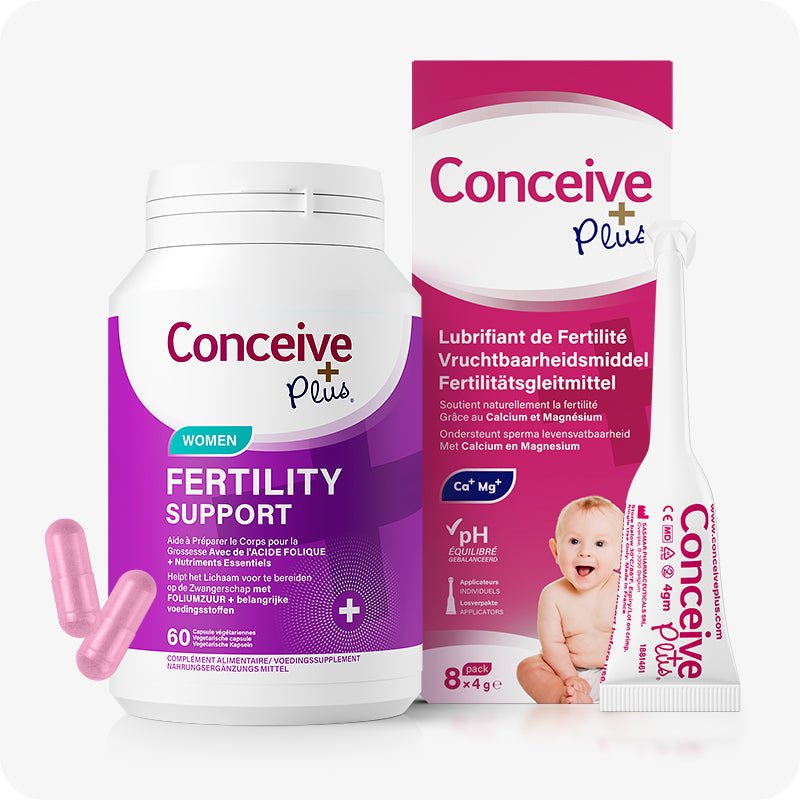
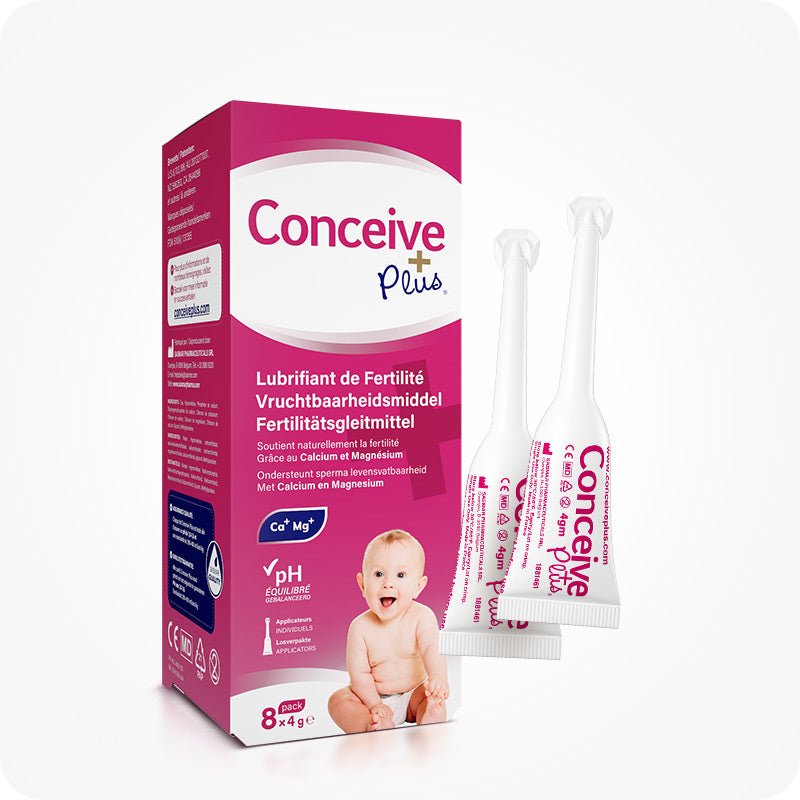
As oestrogen levels fluctuate in the late thirties and perimenopause approaches, vaginal dryness during the fertile window becomes more common. Standard lubricants can harm sperm — use a fertility-specific option like Conceive Plus, which is pH-balanced, sperm-safe, and formulated with calcium and magnesium ions that support sperm capacitation.
4. Minimise Age-Exacerbating Lifestyle Factors
- Smoking — accelerates ovarian ageing by 10+ years. Quitting is the single highest-impact lifestyle change for fertility after 35.
- Alcohol — even moderate consumption disrupts the hormonal axis and is associated with reduced conception rates.
- BMI — both overweight and underweight states disrupt ovulation. A BMI of 20–25 is optimal for fertility.
- Sleep — poor sleep disrupts melatonin, which has a protective antioxidant role in egg follicles. Prioritise 7–9 hours.
5. Know When to Seek Help
There is no shame in seeking help early. Fertility evaluation after 35 (or 38) is not a sign of failure — it is intelligent use of available medical resources. A baseline evaluation typically includes:
- Day 3 FSH, LH, oestradiol, and AMH blood tests
- Antral follicle count (AFC) via transvaginal ultrasound
- Semen analysis for the male partner
- Pelvic ultrasound and (if indicated) hysterosonogram to assess uterine anatomy
Assisted Reproduction Options After 35
IUI (Intrauterine Insemination)
IUI is often a first step in assisted reproduction for couples over 35. Success rates are moderate — approximately 10–20% per cycle — and decline with age. IUI is typically offered for 3–6 cycles before progressing to IVF.
IVF With Own Eggs
IVF success rates with own eggs decline significantly with age: approximately 35–40% live birth rate per cycle at 35, falling to 15–20% at 40 and under 5% at 44+. However, cumulative rates across multiple cycles are higher. Many European countries offer NHS-equivalent public funding for IVF up to specific age limits.
IVF With Donor Eggs
For women whose own egg quality or reserve is severely compromised, donor egg IVF offers dramatically better success rates (typically 50–60% per cycle regardless of recipient age, as they reflect donor egg quality). This is a significant emotional and ethical decision that requires careful consideration and counselling.
Fertility Preservation (Egg Freezing)
For women who are not yet ready to try for pregnancy, egg freezing in the early-to-mid thirties preserves eggs at their current quality. The earlier eggs are frozen, the better the outcome if they're needed later. European egg freezing success rates have improved substantially with vitrification (fast-freezing) technology.
Frequently Asked Questions: Age and Fertility
Q: At what age does female fertility decline significantly?
A: Fertility begins declining gradually in the late twenties, with a more pronounced decline from age 32 and a sharper decline after 37. The media's emphasis on 35 as a cliff edge is somewhat arbitrary — decline is gradual, not a sudden drop.
Q: Can I improve my egg quality at 38?
A: You cannot restore eggs to their biological age of 25. However, you can meaningfully support the quality of currently developing follicles through CoQ10, antioxidants, and lifestyle optimisation — particularly reducing oxidative stress. Many women over 38 conceive with healthy pregnancies.
Q: How many months should I try before seeing a specialist at 37?
A: European guidelines recommend seeking evaluation after 6 months at age 35–37, and after 3 months at 38+. Don't wait a full year — time is a factor, and early evaluation can identify or rule out issues quickly.
Q: Does my partner's age matter?
A: Yes. Sperm DNA fragmentation increases with male age, particularly after 45. This affects embryo quality and miscarriage risk. Sperm supplementation (antioxidants, CoQ10, L-carnitine) is appropriate for men over 40 who are trying to conceive.
Q: Is it possible to get pregnant naturally at 42?
A: Yes, though the probability per cycle is reduced (approximately 5%). Many women conceive naturally at 42. The critical factors are ovulation occurring regularly and egg quality — both of which can be supported with targeted interventions.
Q: What is a good AMH level for my age?
A: AMH interpretation is highly laboratory-specific. Generally, an AMH in the normal range for your age is reassuring. Very low AMH for age suggests diminished ovarian reserve and may warrant earlier specialist evaluation. Discuss your specific numbers with your fertility doctor.
Q: Should I take supplements before starting IVF at 40?
A: Yes — CoQ10, methylfolate, vitamin D, and omega-3 are the priority supplements. Start at least 2–3 months before your planned egg retrieval to allow their effects on developing follicles to take hold.
Q: Does stress reduce fertility after 35?
A: Chronic stress can disrupt the hypothalamic-pituitary-ovarian axis, affecting ovulation timing. It does not "cause" infertility in isolation, but managing stress supports overall hormonal health. The fertility journey itself is stressful — seek support proactively.
Conclusion: Age and Fertility — Hopeful, Informed, and Proactive
Age and fertility is a topic where fear often outpaces facts. The reality is nuanced: fertility does decline with age, but individual variation is enormous, intervention is possible, and many couples over 35 — and over 40 — build their families naturally or with modest assistance.
The most powerful things you can do are: understand your own biology (AMH, ovulation, partner's sperm), supplement strategically to support egg quality, time intercourse accurately, and seek specialist evaluation early rather than waiting. Combined, these actions put you in the best possible position regardless of your age.
Conceive Plus supports European couples at every stage of their fertility journey with clinically formulated supplements, fertility-safe lubricants, and evidence-based guidance. Visit conceiveplus.eu to learn more.
Support Your Fertility at Every Age With Conceive Plus
Conceive Plus fertility supplements are formulated with the nutrients that matter most for egg quality, hormonal balance, and conception — trusted across Europe.
Shop Conceive Plus Europe →