Fertility Diet: The Science-Backed Eating Plan for Conception


Fertility Diet: The Science-Backed Eating Plan for Conception
What you eat profoundly influences your fertility. This is not an alternative medicine claim—it is increasingly supported by rigorous scientific research. The emerging field of nutritional reproductive medicine has established clear links between dietary patterns, individual nutrients, and the full spectrum of fertility outcomes: egg quality, sperm health, ovulation regularity, implantation success, and early pregnancy maintenance.
A fertility diet isn't a trendy eating plan with arbitrary restrictions. It's a deliberate nutritional strategy informed by what reproductive biology actually requires. Understanding it—and implementing it consistently—is one of the most impactful, accessible steps any couple trying to conceive can take.
This guide provides a comprehensive, evidence-based breakdown of fertility nutrition: what to eat, what to avoid, how specific nutrients affect different aspects of reproductive health, and how to implement changes that are both effective and sustainable.
The Mediterranean Diet: Fertility's Gold Standard
Of all dietary patterns studied in relation to fertility, the Mediterranean diet has accumulated the strongest and most consistent evidence. Characterised by high intake of vegetables, fruits, legumes, whole grains, fish, olive oil, and nuts—with moderate dairy and limited red meat and processed foods—the Mediterranean diet is associated with:
- Women: Higher rates of live birth in IVF cycles (65% higher odds in one major study), better egg quality, improved embryo development, and more regular ovulation
- Men: Higher sperm count, better motility, improved morphology, and lower DNA fragmentation
- Both: Reduced inflammation, improved insulin sensitivity, and healthier hormonal balance—all of which support reproductive function
A landmark study by Harvard researchers (the Nurses' Health Study) showed that women whose diets most closely resembled the Mediterranean pattern were significantly less likely to experience ovulatory infertility. A subsequent study of couples undergoing IVF at the Boston IVF clinic found that adherence to a Mediterranean dietary pattern was independently associated with substantially higher pregnancy and live birth rates.
Critical Nutrients for Female Fertility
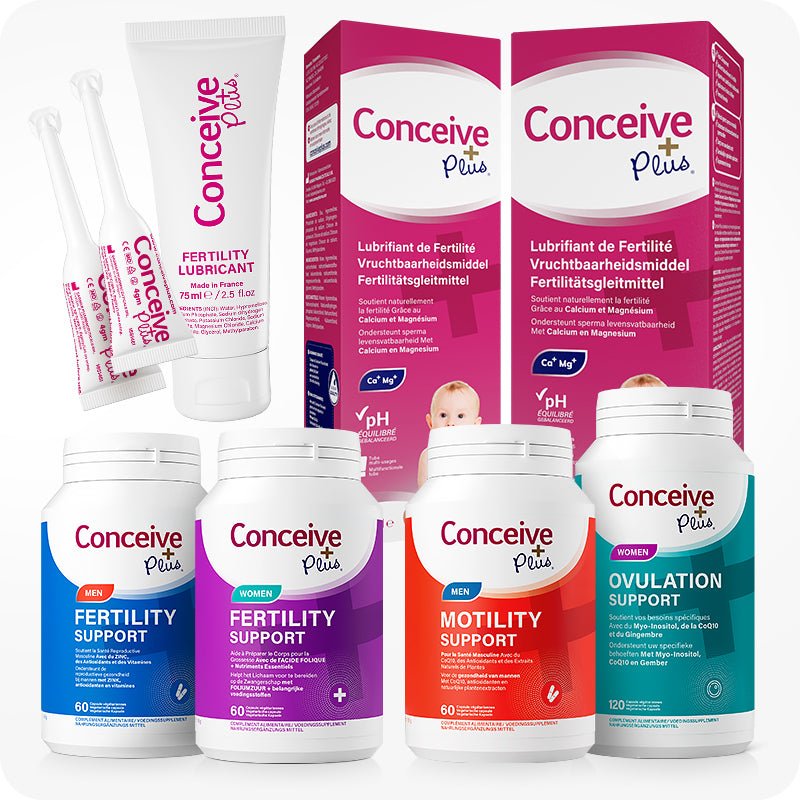
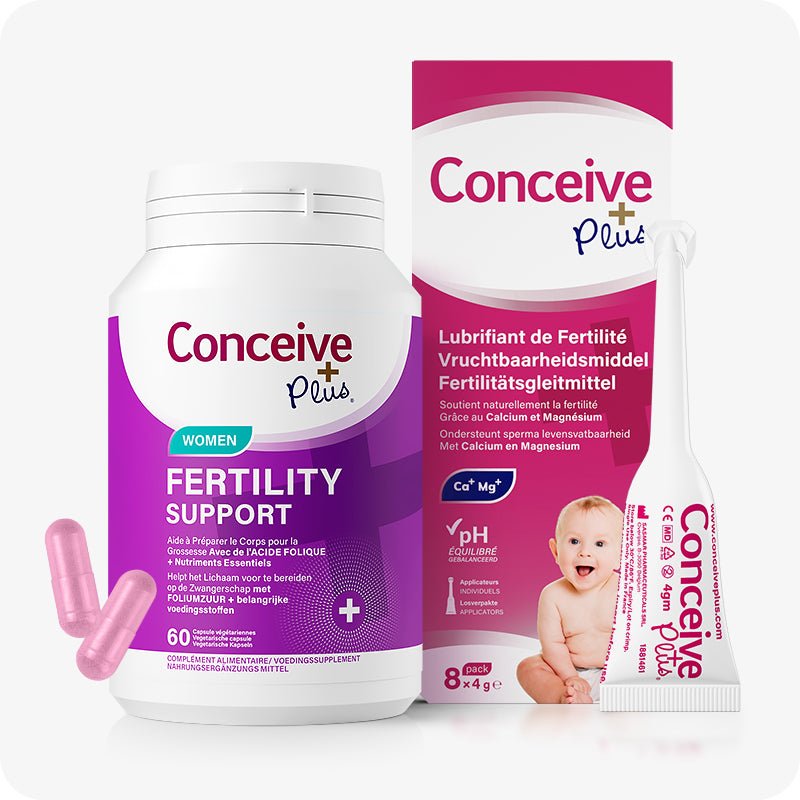
Complete Your Fertility Plan with Conceive Plus
Combine your fertility diet with our clinically formulated supplements and Europe's most trusted fertility lubricant.
Shop Conceive Plus EU →Folate (Vitamin B9)
Folate is essential before and during early pregnancy for neural tube formation. But its role in fertility begins earlier: adequate folate intake is associated with better egg quality, reduced risk of chromosomal abnormalities, and improved embryo development. Women with the MTHFR gene variant (approximately 40% of the population) convert folic acid inefficiently and should use the active methylfolate form.
Best sources: Leafy greens (spinach, kale, rocket), lentils, chickpeas, asparagus, avocado, fortified cereals. Supplement 400–800mcg methylfolate daily when TTC.
Iron
Iron deficiency is one of the most common nutrient deficiencies in women of reproductive age and is associated with ovulatory infertility. A landmark Harvard study found that women with higher non-haem iron intake (from plant sources) had significantly lower risk of ovulatory infertility than those with the lowest iron intake. Importantly, non-haem iron (from plants and supplements) showed stronger associations than haem iron (from red meat).
Best sources: Lentils, kidney beans, tofu, spinach, fortified cereals, pumpkin seeds. Pair with vitamin C-rich foods for enhanced absorption.
Omega-3 Fatty Acids
DHA and EPA omega-3 fatty acids are critical for egg quality, embryo development, and placental health. DHA is a structural component of cell membranes; during fertilisation and early embryo development, adequate DHA availability influences cell division quality. Women with higher omega-3 intake show improved IVF outcomes and reduced risk of preterm birth.
Best sources: Oily fish (salmon, mackerel, sardines, herring), walnuts, chia seeds, flaxseeds, algae-based omega-3 supplements (for vegetarians/vegans).
Vitamin D
Vitamin D deficiency is endemic—particularly in northern Europe and among people with limited sun exposure. For fertility, vitamin D plays roles in ovarian function, endometrial receptivity (the uterine lining's ability to accept an embryo), and immune modulation during implantation. Studies of IVF patients show that women with sufficient vitamin D have 33–40% higher odds of clinical pregnancy per cycle.
Best sources: Sun exposure (limited in northern Europe), oily fish, egg yolks, fortified dairy. Supplementation is often necessary; test levels before deciding on dose—most fertility specialists recommend maintaining 25(OH)D levels above 50 nmol/L.
Coenzyme Q10 (CoQ10)
CoQ10 is a potent antioxidant and mitochondrial co-factor. Eggs (oocytes) have the highest mitochondrial density of any cell in the body—energy production is critical for healthy egg maturation and early embryo development. CoQ10 levels decline naturally with age, correlating with the age-related decline in egg quality. Supplementation with 200–600mg daily has shown improvements in egg quality and embryo development in studies of women over 35.
Best sources: Organ meats, beef, oily fish. Levels in food are modest; supplementation is typically required for therapeutic effect.
Inositol
Myo-inositol and d-chiro-inositol are naturally occurring compounds with strong evidence for restoring ovarian function in PCOS. They function as secondary messengers in insulin signalling pathways, addressing the insulin resistance central to PCOS. Multiple meta-analyses confirm that inositol supplementation (typically 2g myo-inositol + 50mg d-chiro-inositol twice daily) restores regular ovulation in PCOS at rates comparable to metformin, without side effects.
Critical Nutrients for Male Fertility
The fertility diet applies equally to male partners. Male nutritional status profoundly affects sperm count, motility, morphology, and DNA integrity:
- Zinc: Central to testosterone synthesis and sperm production. Zinc deficiency is one of the most reversible nutritional causes of male infertility.
- Selenium: Required for selenoprotein P, which protects sperm structure and motility. Brazil nuts (2–3 per day) provide adequate selenium without risk of excess.
- Lycopene: The antioxidant in cooked tomatoes has specific evidence for reducing sperm DNA fragmentation—a key determinant of fertilisation success and miscarriage risk.
- Folate: Men with low folate intake show higher rates of sperm aneuploidy (incorrect chromosome number)—a cause of failed fertilisation and early miscarriage.
- Vitamin C and E: Antioxidant vitamins that protect sperm from oxidative damage. Low levels are consistently found in men with poor semen parameters.
Foods to Reduce or Avoid on a Fertility Diet
The fertility diet is as much about what to reduce as what to add:
Ultra-Processed Foods
Foods high in trans fats, refined carbohydrates, and artificial additives are associated with poor fertility outcomes in both sexes. Trans fats specifically are associated with higher rates of ovulatory infertility in women and reduced sperm quality in men. European regulations have largely eliminated artificial trans fats, but ultra-processed foods remain a fertility concern through other mechanisms—insulin disruption, inflammation, and nutrient displacement.
High-Mercury Fish
Mercury is a reproductive toxin that accumulates in certain large predatory fish. Shark, swordfish, marlin, king mackerel, and tilefish should be avoided during TTC and pregnancy. Limit tuna to 2 servings per week. Oily fish lower in mercury (salmon, sardines, mackerel, herring) remain highly beneficial and should be eaten 2–3 times weekly.
Excess Alcohol
Even moderate alcohol consumption—as few as 3–7 drinks per week—is associated with reduced fertility in women and reduced sperm quality in men. During the active conception phase, most fertility specialists now recommend abstinence or very minimal alcohol consumption. Once pregnant, there is no proven safe level of alcohol.
Caffeine
The research on caffeine and fertility is nuanced. Most studies find no significant impact at intakes below 200mg daily (about 1–2 cups of coffee). Above 300mg daily, associations with longer time-to-conception and early pregnancy loss become more consistent. Staying below 200mg is prudent during TTC and in early pregnancy.
Soy in Excess
Soy contains phytoestrogens that interact with oestrogen receptors. Moderate soy consumption (1–2 servings daily of whole soy foods like edamame, tofu, or tempeh) is not associated with fertility harm and may be beneficial. Very high soy intake (particularly from concentrated supplements) could theoretically interfere with ovulation timing in sensitive individuals.
The Fertility Diet in Practice: A Sample Week
Breakfast Options
- Greek yoghurt with mixed berries, walnuts, and a drizzle of honey
- Scrambled eggs with spinach on wholegrain sourdough
- Oatmeal with chia seeds, sliced almonds, and fresh fruit
Lunch Options
- Lentil soup with crusty wholegrain bread and a side salad
- Grilled salmon with roasted vegetables and quinoa
- Chickpea and vegetable stew with olive oil and fresh herbs
Dinner Options
- Baked mackerel with steamed broccoli and brown rice
- Chicken stir-fry with mixed vegetables in olive oil
- Bean and tomato pasta with generous olive oil and parmesan
Snacks
- A small handful of walnuts or Brazil nuts
- Hummus with vegetable sticks
- Fresh fruit (berries, kiwi, citrus for vitamin C)
Fertility Supplements: Filling the Gaps
Even with an excellent fertility diet, certain nutrients are difficult to obtain in therapeutic amounts from food alone. Fertility-specific supplementation fills these gaps:
- Methylfolate 400–800mcg: Standard recommendation for all women TTC
- Vitamin D 1,000–2,000 IU: Essential in European climates with limited sun exposure
- Omega-3 (DHA + EPA): 500–1,000mg DHA daily, particularly if fish intake is low
- CoQ10 200–600mg: Especially for women over 35 or with known egg quality concerns
- Iron: Only if deficient (test levels; excess iron has its own risks)
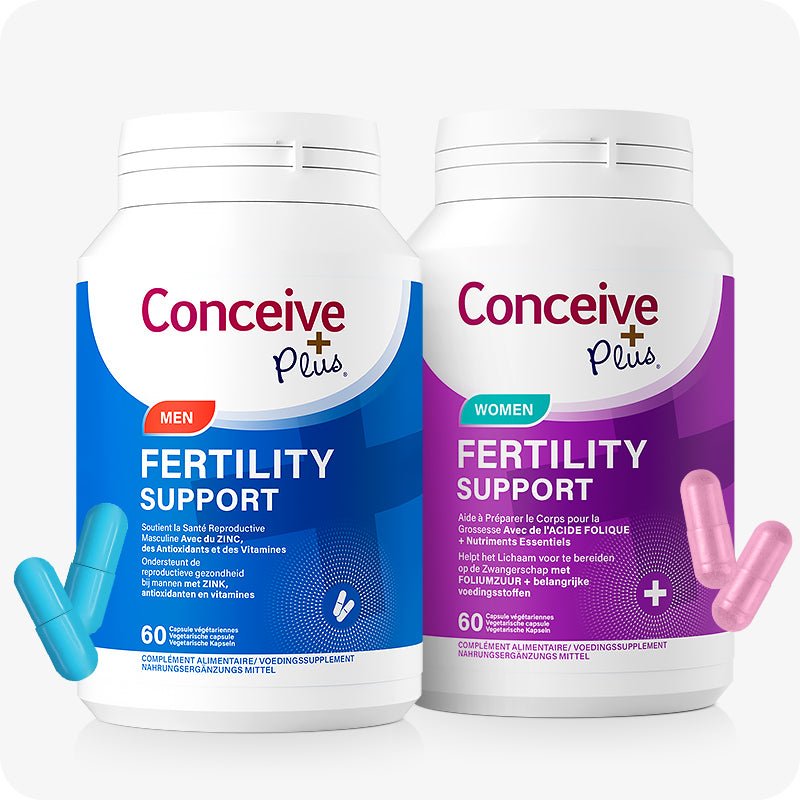
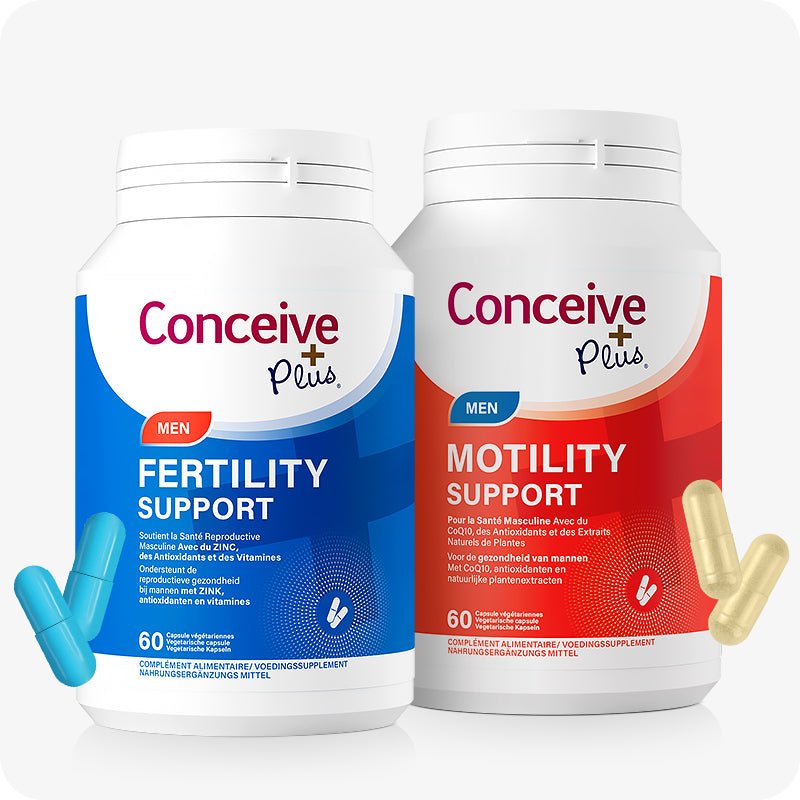
Conceive Plus offers complete fertility supplement formulas for both women and men, designed around the evidence base summarised here—with dosages calibrated for fertility support rather than general wellness.
Frequently Asked Questions: Fertility Diet
Q1: How quickly can dietary changes affect fertility?
For egg quality and ovarian function, improvements from dietary changes take at least 3 months—the time for a follicle to mature from primordial to ovulatory stage. For sperm quality, the spermatogenesis cycle (74 days) means changes manifest within 3 months. Sustainable dietary change over 3–6 months will have the most impact.
Q2: Do I need to eat organic food on a fertility diet?
Organic food reduces pesticide exposure, which is prudent during TTC. However, the evidence that organic food dramatically improves fertility is limited. Prioritise increasing overall fruit and vegetable intake first; if budget allows, choose organic for the highest-pesticide produce (strawberries, spinach, apples).
Q3: Is a vegetarian or vegan diet compatible with fertility?
Yes, with thoughtful planning. Key considerations for plant-based fertility diets: ensure adequate iron (non-haem + vitamin C), B12 (supplement essential for vegans), zinc (consider supplement), omega-3 (algae-based DHA supplement), and vitamin D. Well-planned plant-based diets are associated with good fertility outcomes.
Q4: Should my partner follow a fertility diet too?
Absolutely. Male nutrition significantly affects sperm quality, which contributes to fertilisation, embryo quality, and even miscarriage risk. The Mediterranean-style fertility diet benefits both partners and is associated with better overall semen parameters.
Q5: How does blood sugar affect fertility?
Insulin resistance—driven by high refined carbohydrate intake and poor diet—disrupts ovarian function by elevating insulin, which in turn raises androgens and interferes with ovulation. This is particularly relevant for PCOS. A fertility diet emphasises low-glycaemic carbohydrates to maintain stable blood sugar and insulin levels.
Q6: Can diet improve egg quality?
Yes, within limits. Egg quality is partly genetically determined and declines with age, but the cellular environment in which eggs mature is influenced by nutrition. Antioxidants (CoQ10, vitamins C and E), omega-3s, and adequate folate all support healthier egg development. The effects are most meaningful in the 3–6 months before ovulation of the targeted egg.
Q7: What's the single most important dietary change for fertility?
If choosing just one: shift toward a Mediterranean-style diet—more vegetables, fish, legumes, and olive oil; less processed food, sugar, and red meat. This single change encompasses the most evidence-backed nutritional improvements for fertility.
Q8: Does body weight affect how diet influences fertility?
Yes significantly. Both underweight (BMI <18.5) and overweight (BMI >25) are associated with ovulatory disruption and reduced fertility. Achieving a healthy weight through dietary change is often one of the most impactful fertility interventions, particularly for women at the extremes of the BMI range.
Conclusion: Eat for the Family You're Building
A fertility diet is one of the most powerful, proactive steps you can take on the path to conception. It's accessible, evidence-based, and—unlike many fertility interventions—entirely within your control. The Mediterranean dietary pattern, rich in vegetables, fish, healthy fats, and whole grains, provides the nutritional foundation for optimal reproductive function in both partners.
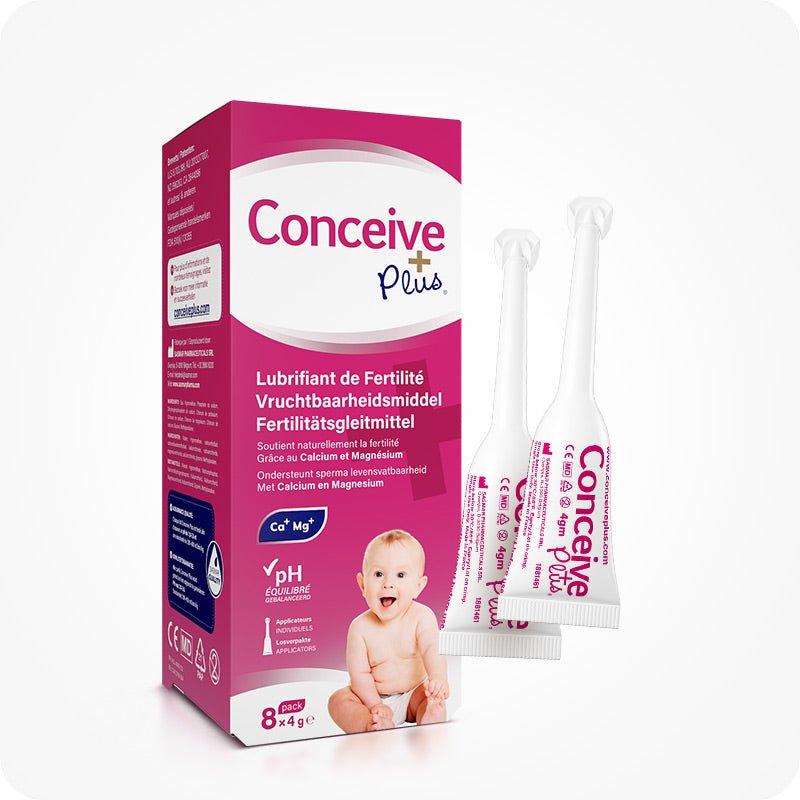
Combine your fertility diet with Conceive Plus supplements to address any remaining nutritional gaps, and support timed intercourse with Conceive Plus fertility lubricant—the sperm-safe, clinically formulated lubricant that works in harmony with your fertile window rather than against it.
You're not just eating for today. You're eating for the family you're building.
Complete Your Fertility Plan with Conceive Plus
Combine your fertility diet with our clinically formulated supplements and Europe's most trusted fertility lubricant.
Shop Conceive Plus EU →