Endometriosis and Fertility: Understanding the Connection and Evidence-Based Strategies for Conception


Understanding the Endometriosis-Fertility Connection
Endometriosis affects approximately 10% of women of reproductive age worldwide, making it one of the most common gynaecological conditions yet it remains widely misunderstood. For women trying to conceive, endometriosis poses significant challenges, but understanding the condition and available treatment pathways offers genuine hope.
Endometriosis occurs when tissue similar to the uterine lining grows outside the uterus commonly on the ovaries, fallopian tubes, and pelvic cavity. This misplaced tissue responds to hormonal changes, leading to inflammation, scar tissue, and adhesions.
The prevalence of endometriosis among women with infertility is significantly higher than in the general population. Studies suggest that 30 to 50% of women with infertility have endometriosis.
Ready to Take the Next Step?
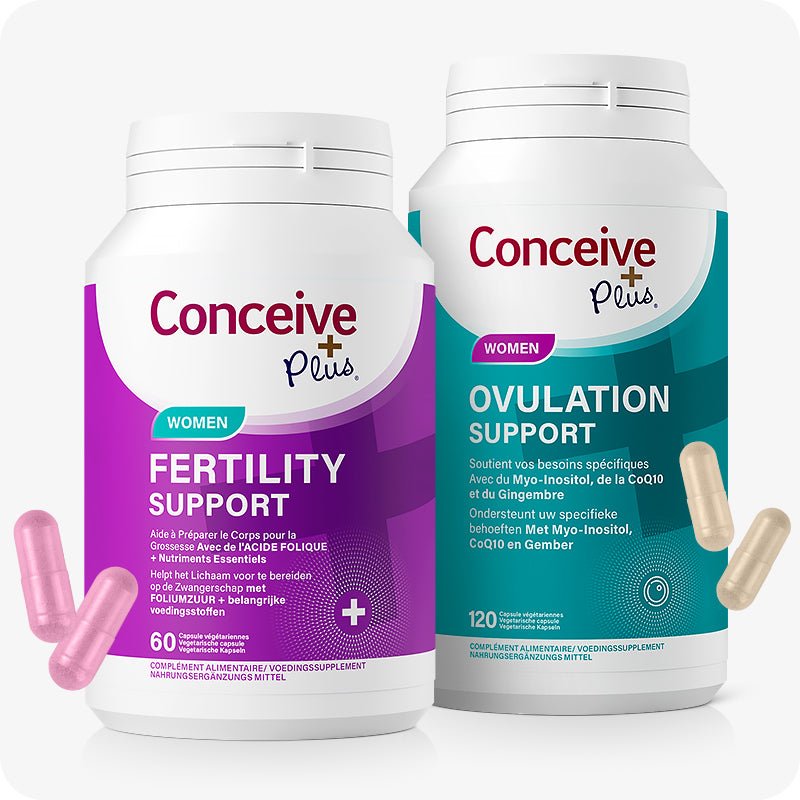
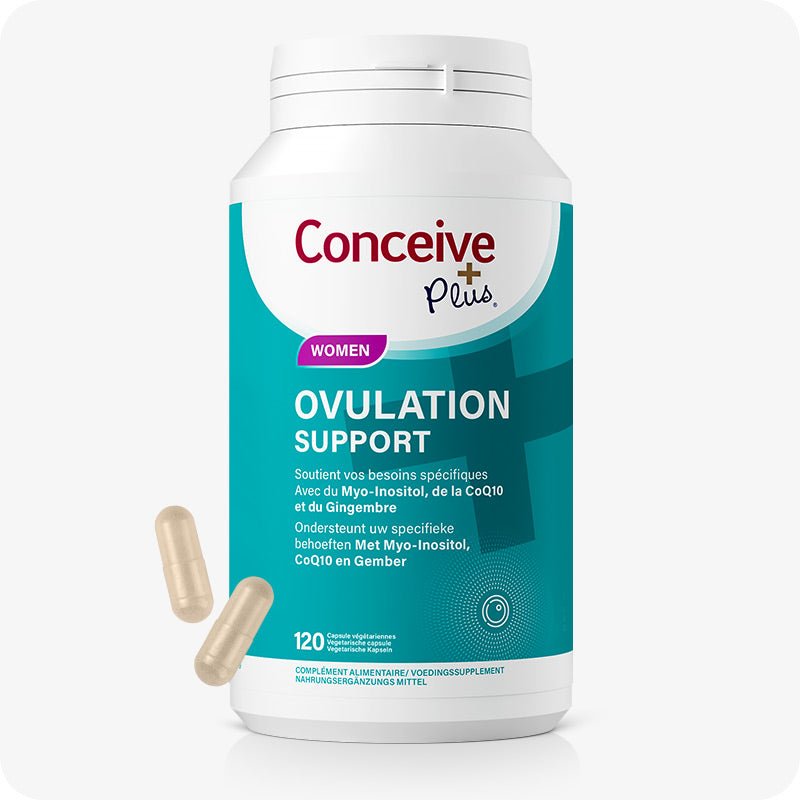
Manage endometriosis-related fertility challenges with Conceive Plus Ovulation Support clinically studied ingredients for hormonal balance.
Shop Conceive Plus Ovulation SupportHow Endometriosis Affects Fertility
Endometriosis impairs fertility through several mechanisms. Anatomical distortion from adhesions can bind the ovaries, fallopian tubes, and uterus together. Inflammation plays a central role producing elevated levels of inflammatory molecules that impair egg quality and interfere with fertilisation. The condition is also associated with diminished ovarian reserve, particularly when ovarian endometriomas are present.
Diagnosis and Fertility Assessment
Diagnosing endometriosis can be challenging. The average time from symptom onset to diagnosis is seven to ten years. Symptoms include severe menstrual cramps, chronic pelvic pain, pain during intercourse, and infertility. However, some women are asymptomatic. The gold standard for diagnosis remains laparoscopy with biopsy.
Treatment Options
Surgical Management: Laparoscopic excision of endometriosis lesions improves spontaneous pregnancy rates. A 2014 Cochrane review found surgery for minimal to mild endometriosis improves live birth rates.
Ovulation Induction with IUI: For early-stage endometriosis without tubal involvement, controlled ovarian stimulation with intrauterine insemination can improve monthly pregnancy rates to approximately 15 to 18%.
IVF: For advanced endometriosis or tubal damage, IVF offers the highest pregnancy rates. Success rates are generally comparable to age-matched controls with other infertility causes.
Lifestyle and Complementary Approaches
An anti-inflammatory diet rich in fruits, vegetables, whole grains, and omega-3 fatty acids may help manage symptoms. Regular moderate exercise reduces oestrogen levels and improves symptoms. Stress management through mindfulness or yoga may help modulate the inflammatory response.
Fertility Preservation
Given the progressive nature of endometriosis and potential for ovarian damage from surgery, fertility preservation through egg or embryo freezing should be discussed early, particularly for women with advanced disease or facing repeat surgeries.
Frequently Asked Questions
1. Can I get pregnant naturally with endometriosis? Yes, many women with endometriosis conceive naturally, particularly those with mild disease.
2. Does surgery improve fertility? Laparoscopic excision of endometriosis lesions improves pregnancy rates in many women.
3. Should I consider IVF with endometriosis? IVF is an excellent option for women with moderate to severe endometriosis or tubal involvement.
4. Can diet help endometriosis? An anti-inflammatory diet may help manage symptoms and support fertility.
5. Does endometriosis get worse with age? Endometriosis is typically progressive, though the rate of progression varies.
6. Can I freeze my eggs with endometriosis? Yes, and it is recommended to consider this early in the disease course.
7. Will pregnancy help my endometriosis? Pregnancy can temporarily suppress symptoms due to hormonal changes.
8. Is endometriosis hereditary? There is a genetic component women with affected relatives have a higher risk.
9. Can I take supplements for endometriosis? Some supplements including omega-3s and vitamin D may help manage symptoms.
10. When should I see a specialist? If you have painful periods, pain during intercourse, or difficulty conceiving after six months.
Your Journey to Parenthood Starts Here
Manage endometriosis-related fertility challenges with Conceive Plus Ovulation Support clinically studied ingredients for hormonal balance.
Explore Conceive Plus Ovulation Support