PCOS and Fertility: What Every Woman Should Know


PCOS and Fertility: What Every Woman Should Know
Polycystic ovary syndrome (PCOS) is one of the most common hormonal conditions affecting women of reproductive age, yet it remains widely misunderstood. For many women, a PCOS diagnosis raises immediate concerns about fertility, periods, and the future possibility of having children. The good news is that PCOS is highly manageable, and the vast majority of women with PCOS who wish to conceive can do so — often with targeted lifestyle, nutritional, and medical support.
This comprehensive guide covers everything you need to know about PCOS and fertility: how it affects your reproductive health, what the latest science says about treatment, and practical steps you can take to support your body on the journey to conception.
What Is PCOS and How Common Is It?
Polycystic ovary syndrome is a complex endocrine (hormonal) disorder characterised by a combination of symptoms including irregular or absent menstrual periods, elevated levels of androgens (male hormones such as testosterone), and multiple small follicles visible on the ovaries during ultrasound. Despite its name, the "cysts" are not true cysts — they are immature follicles that have failed to develop and release an egg normally.
PCOS is remarkably prevalent. According to the World Health Organization (WHO), it affects approximately 8–13% of women of reproductive age worldwide, making it one of the leading causes of female infertility. In Europe, population-based studies suggest that up to 1 in 10 women will be affected at some point during their reproductive years, though many cases remain undiagnosed. The Rotterdam criteria — the most widely used diagnostic framework — requires a woman to meet at least two of three criteria: irregular ovulation, clinical or biochemical signs of excess androgens, and polycystic-appearing ovaries on ultrasound.
The condition is heterogeneous, meaning it manifests differently in different women. Some experience severe symptoms including absent periods, significant weight gain, acne, and excessive hair growth (hirsutism), while others may have only mild irregularities and remain unaware of their diagnosis for years. Because PCOS is a syndrome rather than a single disease, there is no one-size-fits-all approach to managing it.
PCOS is also associated with longer-term metabolic health risks, including an increased likelihood of developing type 2 diabetes, cardiovascular disease, and metabolic syndrome. This makes early identification and proactive management all the more important.
How PCOS Affects Ovulation and Fertility
Targeted Support for PCOS & Ovulation
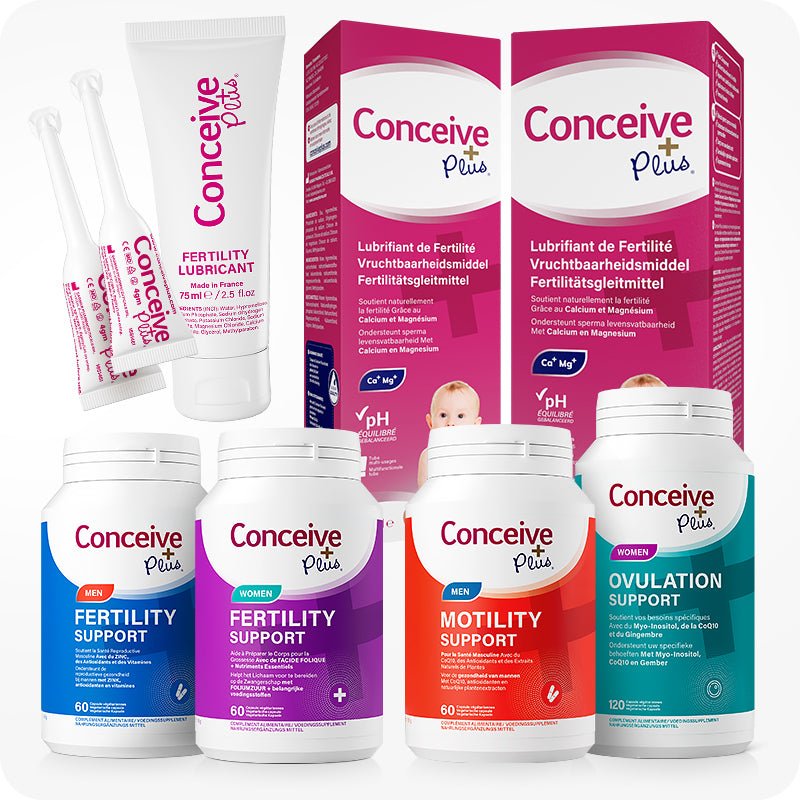
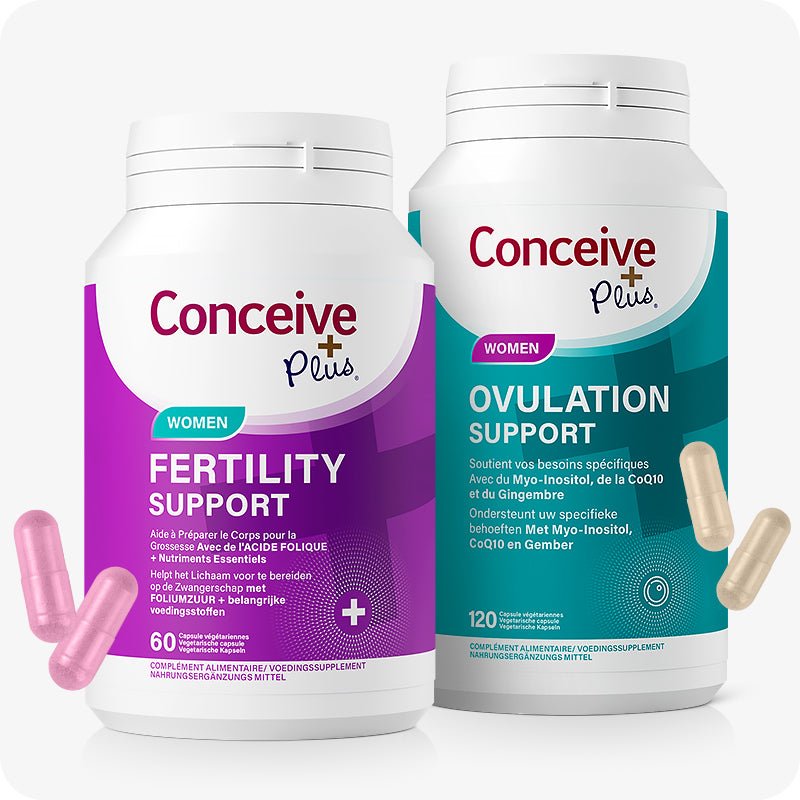
Conceive Plus Ovulation Support combines Myo-Inositol and D-Chiro-Inositol in the clinically researched 40:1 ratio, along with Folate and essential vitamins to support hormonal balance and healthy ovulation in women with PCOS.
Explore Ovulation Support →The primary way PCOS impacts fertility is through its effect on ovulation. In a typical menstrual cycle, a dominant follicle matures in the ovary and releases a healthy egg at ovulation — usually around day 14 of a 28-day cycle. In women with PCOS, this process is disrupted. Elevated levels of luteinising hormone (LH) relative to follicle-stimulating hormone (FSH), combined with excess androgens and insulin resistance, interfere with the normal maturation and release of eggs.
The result is oligo-ovulation (infrequent ovulation) or anovulation (the complete absence of ovulation). Without ovulation, conception is impossible. This is why irregular or absent periods are one of the hallmark features of PCOS — if you are not ovulating, the hormonal changes that trigger menstruation do not occur on a predictable schedule.
Research published in the Journal of Clinical Endocrinology & Metabolism estimates that approximately 70–80% of women with PCOS experience anovulation, and PCOS accounts for around 70% of cases of ovulatory infertility. This makes it the single most common cause of this type of infertility in women worldwide.
That said, it is essential to recognise that PCOS does not mean infertility. Many women with PCOS do ovulate — just irregularly. And with appropriate interventions, regular ovulation can often be restored or assisted, enabling natural conception or significantly improving the success of fertility treatments.
Beyond ovulation, PCOS can also influence egg quality. The hormonal environment within the ovary — particularly elevated androgens and insulin — can impair the development of oocytes (eggs) and reduce their quality. Poor egg quality is associated with lower fertilisation rates and higher miscarriage risk. Some studies also suggest that women with PCOS have a higher rate of early pregnancy loss, though this is thought to be largely linked to insulin resistance and metabolic factors rather than PCOS per se.
The Role of Insulin Resistance in PCOS
Insulin resistance is central to the pathophysiology of PCOS and plays a critical role in both the hormonal dysfunction and the fertility challenges associated with the condition. Studies estimate that between 50% and 75% of women with PCOS have some degree of insulin resistance, regardless of their body weight — though it is more common and more severe in women who are overweight or obese.
Insulin is the hormone produced by the pancreas that allows cells to take up glucose from the bloodstream. When cells become resistant to insulin's signals, the pancreas compensates by producing more and more insulin. This state of hyperinsulinaemia (elevated blood insulin levels) then has downstream effects on the ovaries:
- Increased androgen production: High insulin levels stimulate the ovarian theca cells to produce excess androgens, particularly testosterone. These androgens disrupt follicle development and prevent ovulation.
- Reduced sex hormone-binding globulin (SHBG): Insulin suppresses the liver's production of SHBG, a protein that binds to testosterone and renders it inactive. Lower SHBG means more free testosterone circulates in the blood, worsening the symptoms of androgen excess.
- Disrupted gonadotrophin signalling: Insulin interacts with FSH and LH receptors in the ovary, further disrupting the hormonal signals needed for normal follicle maturation and ovulation.
Addressing insulin resistance is therefore one of the most impactful things a woman with PCOS can do to improve both her hormonal health and her fertility. This can be achieved through a combination of dietary changes, exercise, weight management (where appropriate), and targeted supplementation — as well as medication in some cases.
It is worth noting that thin women with PCOS can also have significant insulin resistance, even without elevated fasting glucose or obvious metabolic symptoms. Testing for insulin resistance — ideally using a fasting insulin test alongside fasting glucose and an oral glucose tolerance test — is recommended for all women with PCOS, regardless of weight.
Diet and Lifestyle Interventions for PCOS Fertility
Diet and lifestyle modifications are the foundation of PCOS management and can have a profound effect on fertility outcomes. Even modest improvements in metabolic health can restore ovulation in some women and significantly enhance the effectiveness of medical treatments in others.
Dietary Approaches
The two dietary strategies with the strongest evidence base for PCOS are a low-glycaemic index (low-GI) diet and a Mediterranean-style diet.
A low-GI diet focuses on carbohydrates that are digested slowly, producing a gradual rise in blood glucose rather than sharp spikes. This helps to reduce insulin secretion and improve insulin sensitivity. Practical recommendations include:
- Choosing wholegrains over refined carbohydrates (oats, brown rice, quinoa, wholegrain bread over white bread, white rice, and pastry)
- Prioritising non-starchy vegetables and legumes
- Pairing carbohydrates with protein or healthy fats to blunt the glucose response
- Minimising ultra-processed foods, sugary drinks, and sweets
The Mediterranean diet — rich in vegetables, fruits, legumes, wholegrains, fish, olive oil, and nuts, with moderate amounts of dairy and limited red meat — has been shown to reduce markers of inflammation and improve insulin sensitivity in women with PCOS. A 2020 review in Nutrients found that adherence to a Mediterranean diet was associated with improvements in menstrual regularity, androgen levels, and metabolic markers in women with PCOS.
Exercise
Regular physical activity is one of the most effective non-pharmacological interventions for PCOS. Exercise improves insulin sensitivity, reduces androgen levels, supports weight management, and has positive effects on mood and mental health — all of which are relevant for women with PCOS.
Both aerobic exercise (walking, cycling, swimming) and resistance training have been shown to improve PCOS outcomes. The current recommendation from endocrine societies is at least 150 minutes of moderate-intensity activity per week, or 75 minutes of vigorous-intensity activity. However, even small increases in daily movement — such as taking the stairs or going for a 20-minute walk after meals — can meaningfully improve insulin sensitivity.
Weight Management
In women with PCOS who are overweight, even a 5–10% reduction in body weight can restore menstrual regularity and ovulation in a significant proportion of cases. A landmark study found that 55–90% of previously anovulatory women with PCOS experienced restored ovulation following modest weight loss. Weight loss also improves androgen levels, reduces insulin resistance, and increases the success rate of fertility treatments.
It is important to approach weight management sensitively in the context of PCOS. The condition itself makes weight loss more difficult due to insulin resistance, hormonal imbalances, and associated psychological factors. Extreme caloric restriction is counterproductive and can worsen hormonal imbalances. A sustainable, balanced approach — ideally guided by a registered dietitian — is strongly recommended.
Stress Management and Sleep
Chronic stress elevates cortisol, which can worsen insulin resistance and disrupt the hormonal axis governing ovulation. Prioritising quality sleep (7–9 hours per night) and incorporating stress-reduction practices such as yoga, mindfulness, or simply spending time in nature can have meaningful effects on PCOS symptoms. Sleep disorders — particularly obstructive sleep apnoea, which is more common in women with PCOS — should also be investigated and treated if present.
Key Supplements for PCOS and Fertility
Several nutritional supplements have a strong and growing evidence base for supporting ovulation, hormonal balance, and fertility in women with PCOS. While supplements are not a replacement for diet, lifestyle, and medical care, they can be a valuable adjunct — particularly for women who wish to take a proactive, natural approach.
Myo-Inositol and D-Chiro-Inositol: The 40:1 Ratio
Inositols are naturally occurring compounds belonging to the vitamin B family that play a critical role in insulin signalling. Two forms — myo-inositol (MI) and d-chiro-inositol (DCI) — have been extensively studied in PCOS.
Research has shown that women with PCOS often have impaired inositol metabolism, leading to a relative deficiency of these compounds in ovarian tissue. Supplementation with inositols has been shown to:
- Improve insulin sensitivity
- Reduce androgen levels (particularly free testosterone)
- Restore menstrual regularity and ovulation
- Improve egg quality in women undergoing assisted reproduction
- Support healthy follicle development
A pivotal study published in Gynecological Endocrinology demonstrated that supplementation with a 40:1 ratio of myo-inositol to d-chiro-inositol (reflecting the physiological ratio found in plasma) was superior to d-chiro-inositol alone in restoring ovulation. This research, conducted by Monastra and colleagues, showed that the 40:1 ratio produced better outcomes for both hormonal markers and oocyte quality compared to DCI alone.
A meta-analysis of 15 randomised controlled trials, published in Reproductive Biology and Endocrinology in 2019, confirmed that inositol supplementation significantly improved ovulation rate, hormonal parameters, and metabolic markers in women with PCOS. Notably, myo-inositol was found to be comparable in effectiveness to metformin — a commonly prescribed medication for PCOS — but with a significantly better tolerability profile and fewer side effects.
The standard dosage studied in research is 4,000 mg of myo-inositol combined with 100 mg of d-chiro-inositol (the 40:1 ratio), taken daily, typically divided into two doses. Many women begin to see improvements in menstrual regularity within 3–6 months of consistent supplementation.
Folate (Methylfolate)
Folate is essential for all women trying to conceive, but it is particularly important for those with PCOS. Adequate folate intake supports DNA synthesis and cell division, reduces the risk of neural tube defects in the developing baby, and may also support ovarian function. The active form, L-methylfolate (5-MTHF), is recommended over folic acid as it is directly usable by the body, even in women with the common MTHFR genetic variant that reduces the conversion of folic acid to its active form.
Current European guidelines recommend at least 400 mcg of folate daily for women trying to conceive, with higher doses (800–1,000 mcg) sometimes recommended for women with PCOS or a history of neural tube defects. Folate should ideally be started at least three months before trying to conceive.
N-Acetyl Cysteine (NAC)
N-acetyl cysteine is a precursor to glutathione, the body's master antioxidant, and has several mechanisms of action relevant to PCOS. It improves insulin sensitivity, reduces oxidative stress, and has been shown to support ovulation induction. A 2015 Cochrane review and subsequent meta-analyses have found that NAC can improve ovulation rates and pregnancy outcomes in women with PCOS, both as a standalone supplement and as an adjunct to clomiphene citrate (a common ovulation-stimulating medication). Typical doses studied range from 1,200–1,800 mg per day.
Vitamin D
Vitamin D deficiency is highly prevalent in women with PCOS — studies suggest that up to 67–85% of women with PCOS have insufficient or deficient levels. Vitamin D plays a role in insulin signalling, ovarian function, and the regulation of the menstrual cycle. Supplementation has been shown to improve insulin sensitivity, reduce androgen levels, and support menstrual regularity in deficient women. Testing vitamin D levels (25-OH vitamin D) and supplementing accordingly is a sensible first step for all women with PCOS.
Coenzyme Q10 (CoQ10)
CoQ10 is a powerful antioxidant found in every cell of the body and is particularly important for mitochondrial function — the energy-producing organelles within cells, including eggs. As women age or experience conditions associated with increased oxidative stress (such as PCOS), CoQ10 levels can become depleted. Research suggests that CoQ10 supplementation may improve egg quality and mitochondrial function, potentially benefiting women with PCOS undergoing fertility treatment.
Medical Treatments for PCOS-Related Infertility
When lifestyle and nutritional interventions alone are insufficient to restore regular ovulation, or when a woman wishes to conceive within a specific timeframe, medical treatments can be highly effective. It is always recommended to discuss these options thoroughly with a gynaecologist or reproductive endocrinologist.
Letrozole
Letrozole, an aromatase inhibitor originally developed as a breast cancer treatment, is now considered the first-line ovulation induction agent for women with PCOS in most international guidelines, including those from the European Society of Human Reproduction and Embryology (ESHRE) and the American Society for Reproductive Medicine (ASRM). A landmark multi-centre trial published in the New England Journal of Medicine in 2014 (the PPCOS II study) found that letrozole resulted in significantly higher live birth rates than clomiphene citrate in women with PCOS.
Letrozole is taken orally for five days early in the menstrual cycle and works by temporarily blocking oestrogen production, which stimulates the pituitary to produce more FSH, driving follicle growth and ovulation. It is generally well-tolerated and has a low risk of multiple pregnancy compared to other ovulation induction agents.
Metformin
Metformin is an oral insulin-sensitising medication that is widely used in type 2 diabetes but also has an established role in PCOS. It works by reducing hepatic glucose production and improving peripheral insulin sensitivity, thereby lowering insulin levels and, in turn, androgen levels. Metformin can improve menstrual regularity and ovulation, and is often used alongside letrozole or clomiphene to improve outcomes. It may also reduce the risk of OHSS (ovarian hyperstimulation syndrome) during IVF.
As mentioned, several high-quality studies have shown that myo-inositol is comparable in effectiveness to metformin for improving metabolic and hormonal parameters in PCOS, but with significantly fewer gastrointestinal side effects. For women who prefer a natural approach, inositol supplementation is a compelling alternative — though metformin may be preferred in women with more significant insulin resistance or glucose abnormalities.
Clomiphene Citrate
Clomiphene (also known as clomifene) is a selective oestrogen receptor modulator (SERM) that has been used for ovulation induction since the 1960s. It works by blocking oestrogen receptors in the hypothalamus, tricking the brain into producing more FSH. While it remains in use and is effective in many women with PCOS, it has been largely superseded by letrozole as first-line therapy due to letrozole's superior live birth rates and lower risk of multiple pregnancy.
Laparoscopic Ovarian Drilling
Laparoscopic ovarian drilling (LOD) is a minimally invasive surgical procedure in which small punctures are made in the ovaries using electrocautery or laser, destroying a portion of the androgen-producing tissue. This can lower androgen levels, improve FSH-to-LH ratios, and restore spontaneous ovulation in a significant proportion of women with PCOS. It is typically considered as a second-line option when ovulation induction medications have failed, as it carries the risks of any surgical procedure and may — in rare cases — reduce ovarian reserve.
IVF (In Vitro Fertilisation)
For women with PCOS who have not conceived with ovulation induction, or where other fertility factors are present (such as male factor infertility or tubal issues), IVF is an effective option. Women with PCOS typically respond well to ovarian stimulation — sometimes very well, which means the risk of ovarian hyperstimulation syndrome (OHSS) must be carefully managed. Modern IVF protocols — including the use of GnRH antagonist protocols and freeze-all strategies — have significantly reduced this risk.
When to Seek Fertility Specialist Support
Knowing when to escalate to specialist care is an important part of navigating PCOS and fertility. Here are the key indicators that it is time to speak with a reproductive endocrinologist or fertility specialist:
- After 12 months of trying to conceive without success if you are under 35, or after 6 months if you are 35 or older (general guidance that applies to all couples, regardless of PCOS status)
- Immediately if you have PCOS with confirmed anovulation (i.e., you are not ovulating regularly), as the timeline for natural conception without ovulation is indefinite
- If you have additional fertility factors such as known tubal damage, endometriosis, or a partner with known sperm issues
- If you have had recurrent miscarriages (two or more), which may be related to PCOS-associated insulin resistance or other factors
- If you have type 2 diabetes or severe insulin resistance, as these require careful medical management during pregnancy
- If you are finding the emotional burden of PCOS and fertility challenges difficult to manage alone — a specialist can provide both clinical support and a referral to counselling services
Women with PCOS should also ensure they have a thorough baseline assessment before trying to conceive. This includes checking thyroid function, prolactin levels, AMH (anti-Müllerian hormone, a marker of ovarian reserve), a full blood count, and a semen analysis for the partner. A transvaginal ultrasound can assess antral follicle count and uterine anatomy.
In Europe, fertility services are available through both public health systems and private clinics. Waiting times for NHS or public fertility services vary by country, and some women may wish to pursue private assessments in parallel to ensure timely access to care.
The Emotional Dimension of PCOS and Fertility
Living with PCOS and navigating the path to pregnancy can be emotionally challenging. The combination of physical symptoms, uncertainty about fertility, hormonal fluctuations, and the pressures of the fertility journey can take a significant toll on mental wellbeing. Research consistently shows that women with PCOS have higher rates of anxiety, depression, and reduced quality of life compared to women without the condition.
It is important to acknowledge that these feelings are valid and common. Seeking support — whether through a therapist or counsellor experienced in fertility issues, a PCOS support group, or online communities — can make a meaningful difference. Mindfulness-based approaches have been shown in several studies to reduce anxiety and improve quality of life in women with PCOS.
Equally, it is worth remembering that a PCOS diagnosis is not a verdict on your ability to have children. With the right combination of lifestyle optimisation, nutritional support, and — where needed — medical intervention, the majority of women with PCOS who wish to conceive do so successfully. Thousands of women across Europe are living proof of this every day.
Frequently Asked Questions: PCOS and Fertility
Can I get pregnant naturally if I have PCOS?
Yes, many women with PCOS do conceive naturally, particularly if they ovulate at least some of the time. With lifestyle changes and nutritional support, the chances of spontaneous ovulation and natural conception can be significantly improved. However, if you have confirmed anovulation, medical support is likely needed to achieve pregnancy.
How do I know if I am ovulating with PCOS?
Tracking ovulation with PCOS can be challenging because the commonly used methods — such as ovulation predictor kits (OPKs) — can give false positives due to the elevated LH levels seen in PCOS. The most reliable methods include transvaginal ultrasound follicle tracking (done at a fertility clinic), basal body temperature (BBT) charting, and mid-luteal progesterone blood tests (day 21 or 7 days after suspected ovulation). If your cycles are irregular, a fertility specialist can help you monitor ovulation more precisely.
Does PCOS get worse with age?
The picture is nuanced. Some aspects of PCOS — particularly androgen-related symptoms like acne and hirsutism — can improve as women approach perimenopause, as androgen levels naturally decline with age. However, metabolic risks (insulin resistance, type 2 diabetes risk) tend to increase with age. Fertility also naturally declines with age, so women with PCOS who are aware they will want to conceive in the future are advised not to postpone trying too long.
How long does myo-inositol take to work for PCOS?
Most clinical studies report improvements in menstrual regularity and hormonal markers within 3 to 6 months of consistent daily supplementation. Some women notice changes in cycle regularity sooner. It is important to take inositol consistently and at the correct dose (4,000 mg myo-inositol + 100 mg d-chiro-inositol daily, in the 40:1 ratio) for best results.
Is it safe to take inositol supplements while trying to conceive?
Myo-inositol and d-chiro-inositol are generally considered safe for use during the preconception period. They are well tolerated, with the most commonly reported side effects being mild and gastrointestinal (such as nausea if taken on an empty stomach). Once pregnancy is confirmed, it is advisable to check with your healthcare provider about continuing supplementation, as the evidence base for inositol use during pregnancy is still developing.
What is the best diet for PCOS and fertility?
A low-glycaemic index (low-GI) diet or Mediterranean-style diet appears to be most beneficial for women with PCOS. Both approaches prioritise whole foods, vegetables, lean proteins, healthy fats, and complex carbohydrates while minimising refined sugars, ultra-processed foods, and saturated fats. Working with a registered dietitian who specialises in PCOS and fertility can help you create a personalised plan.
Does being overweight with PCOS affect fertility?
Excess weight can worsen insulin resistance, which in turn worsens the hormonal imbalances that disrupt ovulation in PCOS. Even a 5–10% reduction in body weight in overweight women with PCOS has been shown to significantly improve ovulation rates and pregnancy outcomes. However, it is equally important to note that many women of normal weight also have PCOS and may have significant insulin resistance — weight is not the defining factor of PCOS severity.
Can PCOS cause miscarriage?
PCOS is associated with a modestly increased risk of early miscarriage. The exact reasons are not fully understood, but likely relate to insulin resistance, elevated androgens, and possibly suboptimal egg quality. Managing insulin resistance — through diet, exercise, and supplementation or medication where appropriate — may help reduce miscarriage risk. Recurrent miscarriage (two or more) warrants investigation by a specialist.
What is the difference between PCOS and endometriosis in terms of fertility?
Both PCOS and endometriosis can affect fertility, but through different mechanisms. PCOS primarily impairs ovulation via hormonal imbalance and insulin resistance. Endometriosis involves the growth of uterine-like tissue outside the uterus, which can cause inflammation, scarring, and structural damage to the fallopian tubes and ovaries. Some women have both conditions, which can be identified through investigation. Treatment approaches differ significantly between the two.
Is IVF more successful in women with PCOS?
Women with PCOS typically have a high antral follicle count (AFC) and a good ovarian reserve (as reflected by elevated AMH levels), which means they often respond well to ovarian stimulation during IVF. This can translate to a larger number of eggs retrieved and more embryos available. However, this also means a higher risk of ovarian hyperstimulation syndrome (OHSS), which requires careful management. Overall live birth rates per cycle for women with PCOS undergoing IVF are comparable to or slightly better than the general population of the same age, particularly when the risk of OHSS is well managed.
Your PCOS Journey Deserves the Right Support
Conceive Plus offers science-backed supplements designed for women with PCOS who are trying to conceive — trusted across Europe by thousands of women.
Shop All Products → Ovulation Support →