Male Fertility: The Complete Science-Based Guide to Understanding and Boosting Sperm Health


Why Male Fertility Matters More Than You Think
Male factor infertility contributes to approximately 40-50% of all cases. Global sperm counts have declined by over 50% in the past 50 years. A 2023 meta-analysis confirmed that mean sperm concentration dropped from 101 million per millilitre in 1973 to just 49 million per millilitre today.
Understanding Sperm Health Parameters
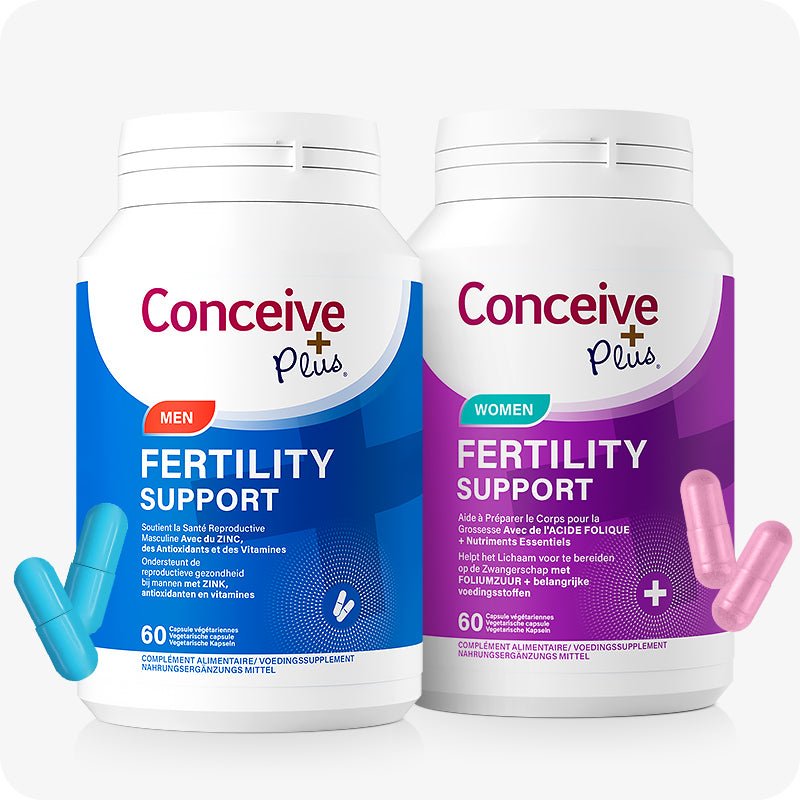
Support your fertility journey today. Discover Conceive Plus mens fertility support — science-backed and designed to help you conceive.
Sperm count: The number of sperm per millilitre. Optimal fertility requires more than the WHO minimum of 15 million per millilitre.
Sperm motility: At least 40% should show progressive forward movement. Motility is often the first parameter to improve with nutritional intervention.
Sperm morphology: The shape and structure of sperm.
Sperm DNA integrity: DNA fragmentation can prevent fertilisation or cause early miscarriage even when other parameters appear normal.
Top Causes of Declining Male Fertility
Environmental toxins: Endocrine-disrupting chemicals in plastics and pesticides interfere with hormonal signalling.
Heat exposure: Sperm production requires a temperature 2-4 degrees below body temperature. Avoid hot tubs, saunas, and tight underwear.
Oxidative stress: The most common cause of male infertility, implicated in up to 80% of cases.
Lifestyle factors: Smoking reduces sperm count by 23%. Heavy alcohol lowers testosterone. Obesity disrupts hormones.
Nutritional Strategies for Better Sperm
Zinc: The cornerstone mineral. Essential for sperm formation and testosterone synthesis. Found in oysters and pumpkin seeds.
Selenium: Increases sperm motility by up to 42%.
Coenzyme Q10: Increases sperm concentration by 28% and motility by 38% over three months.
L-Carnitine: Improves sperm motility and maturity.
Vitamin C and E: Reduce sperm DNA fragmentation by up to 40%.
Lifestyle Optimisation
Wear loose boxers. Exercise moderately 30-45 minutes most days. Sleep 7-9 hours for optimal testosterone production. Manage stress. Limit alcohol and quit smoking. Improvements appear within 3 months.
The Female Partner Role
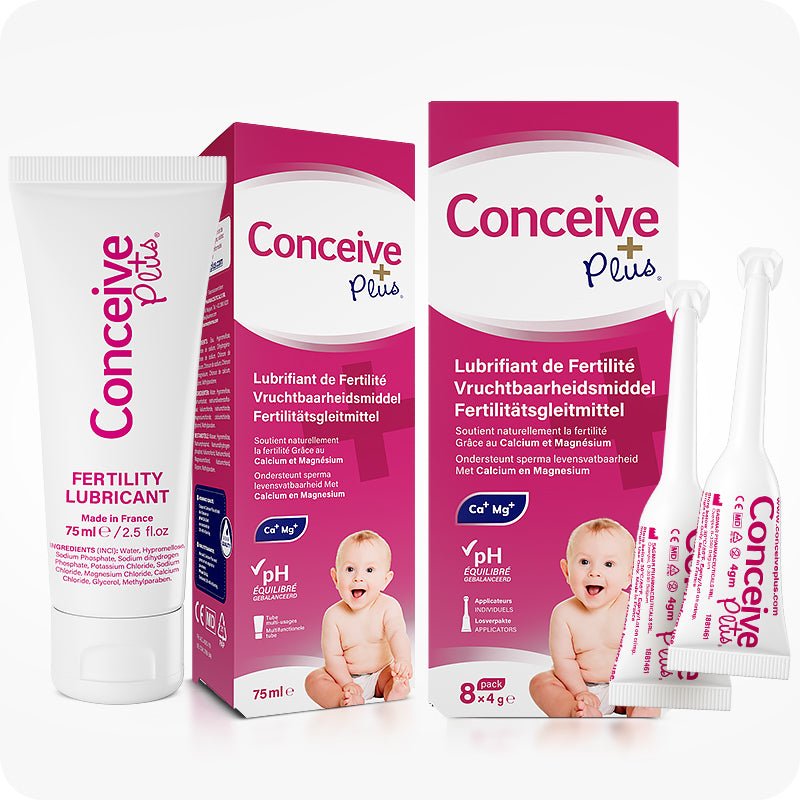
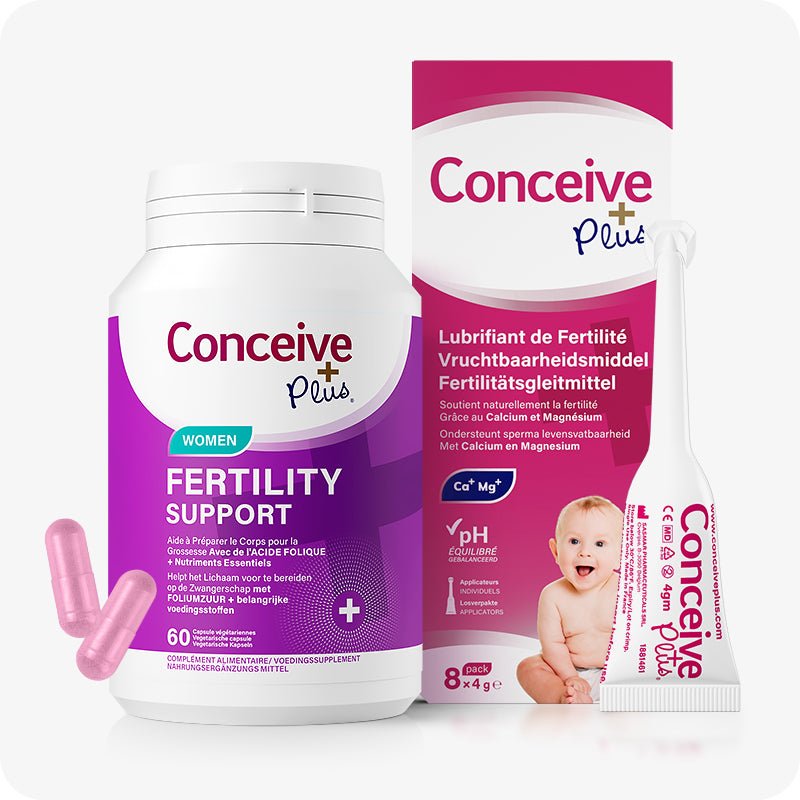
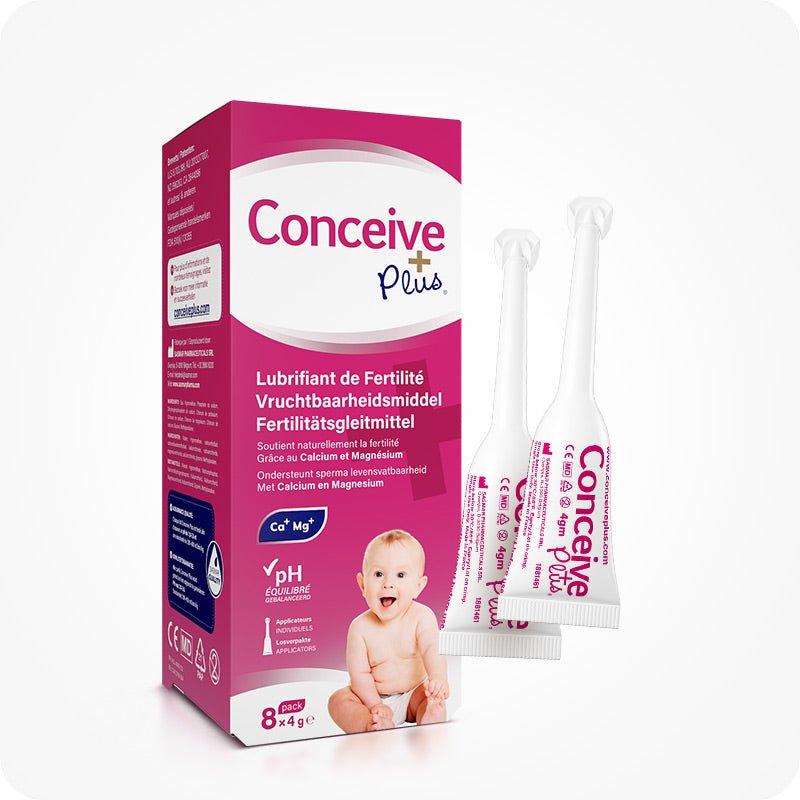
Using a fertility-friendly lubricant maximises sperm survival to the cervix. Standard lubricants reduce sperm motility by 60-100%.
Frequently Asked Questions
Q: Can low sperm count be improved naturally?
A: Yes. Lifestyle changes, diet, and supplements can significantly improve sperm count within 3-6 months.
Q: How long for sperm quality to improve?
A: One full spermatogenesis cycle is approximately 72 days.
Q: Can phones affect sperm?
A: Some studies suggest electromagnetic radiation may reduce quality. Carry your phone in a bag or jacket pocket.
Q: Is male fertility affected by age?
A: Yes but less dramatically than female fertility. After 40, DNA fragmentation increases gradually.
Q: Can stress affect sperm count?
A: Stressed men have 38% lower sperm concentration.
Q: Are boxers better than briefs?
A: Yes. Men wearing boxers have 25% higher sperm concentration.
Q: What supplements should men take?
A: Zinc, selenium, CoQ10, vitamin C, vitamin E, and L-carnitine.
Your fertility journey deserves the best support. Shop Conceive Plus now — clinically tested, fertility-friendly, and trusted by thousands of couples worldwide.