Fertility Supplements: The Complete Evidence-Based Guide to Which Nutrients Actually Work in 2026


Introduction: Separating Evidence from Hype
The fertility supplement industry has grown exponentially, with countless products promising to boost fertility, improve egg quality, and increase pregnancy rates. Navigating this landscape can be overwhelming, and it is easy to waste money on supplements that lack scientific support while missing the ones that actually work. This guide cuts through the marketing noise to provide a clear, evidence-based overview of the supplements that have genuine research behind them.
The key principle to understand is that supplements are meant to supplement—not replace—a healthy diet. No supplement can compensate for poor nutrition, smoking, excessive alcohol, or other lifestyle factors that negatively impact fertility. Supplements work best when they are used to fill specific nutritional gaps or provide targeted support for particular fertility challenges.
It is also important to approach supplementation with appropriate caution. More is not always better, and some supplements can be harmful at high doses. Always consult with your healthcare provider before starting any new supplement regimen, particularly if you are undergoing fertility treatment or have underlying health conditions.
The Prenatal Vitamin: Your Non-Negotiable Foundation
A high-quality prenatal vitamin is the single most important supplement for anyone trying to conceive. Think of it as nutritional insurance—it ensures that your body has adequate levels of the nutrients most critical for early foetal development, even before you know you are pregnant. Neural tube development, which requires adequate folate, occurs in the first four weeks of pregnancy, often before a woman realises she is pregnant.
Folic acid (or its natural form, folate) is the most critical component of a prenatal vitamin. The recommended dose is 400 to 800 micrograms daily, starting at least three months before conception. Adequate folate intake reduces the risk of neural tube defects by up to 70 percent. Some women, particularly those with a family history of neural tube defects or those taking certain medications, may need higher doses.
Iron is another essential component of a good prenatal vitamin. Iron supports the increased blood volume that occurs during pregnancy and helps prevent anaemia, which is associated with pregnancy complications. Vitamin D, iodine, and omega-3 fatty acids (particularly DHA) are also important components to look for in a prenatal supplement.
Coenzyme Q10: The Egg Quality Booster
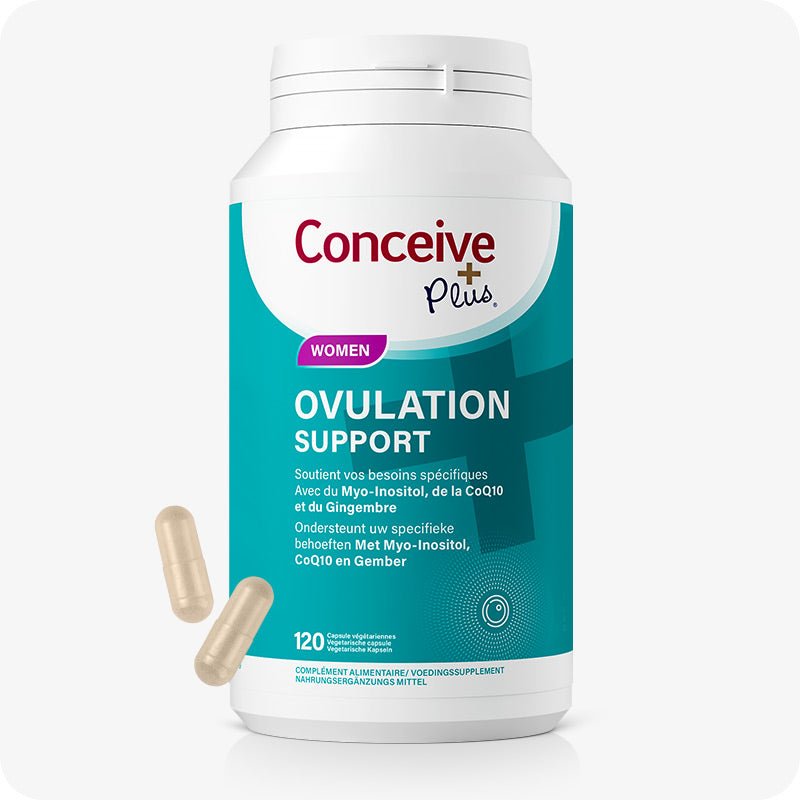
Coenzyme Q10 (CoQ10) has emerged as one of the most promising supplements for improving egg quality, particularly for women over 35 or those with diminished ovarian reserve. CoQ10 is a naturally occurring compound that plays a critical role in mitochondrial function—the energy-producing factories within cells. Eggs require enormous amounts of energy for proper maturation, fertilisation, and embryo development.
As women age, natural CoQ10 levels decline, which may contribute to the age-related decline in egg quality. Supplementation with CoQ10 has been shown in multiple studies to improve ovarian response to stimulation, increase the number of high-quality embryos, and improve pregnancy rates in women undergoing IVF.
The form of CoQ10 called ubiquinol is more absorbable than the standard ubiquinone form, particularly for women over 40. Typical doses range from 200 to 600 mg per day. It can take three to four months of consistent supplementation to see benefits, as egg development takes approximately 90 to 120 days.
Inositol: The PCOS Game-Changer
Inositol, particularly myo-inositol and D-chiro-inositol, has strong evidence supporting its use in women with PCOS. This naturally occurring compound acts as a second messenger in insulin signalling pathways, helping to improve insulin sensitivity and reduce the elevated insulin levels that drive PCOS symptoms.
Multiple randomised controlled trials have found that myo-inositol supplementation improves ovulation rates, hormone profiles, and pregnancy rates in women with PCOS. The most commonly studied protocol is a 40:1 ratio of myo-inositol to D-chiro-inositol, typically providing 2,000 to 4,000 mg of myo-inositol and 50 to 100 mg of D-chiro-inositol daily.
For women without PCOS, the evidence for inositol is less clear. Some research suggests it may still support egg quality and reduce the risk of ovarian hyperstimulation syndrome during IVF, but it is not considered a universal fertility supplement for all women.
Vitamin D: The Sunshine Vitamin for Fertility
Vitamin D receptors are present throughout the female reproductive system, including the ovaries, endometrium, and placenta. Adequate vitamin D levels are associated with better IVF outcomes, higher pregnancy rates, and reduced risk of endometriosis and fibroids.
Women with vitamin D deficiency have been found to have lower ovarian reserve markers and poorer response to ovarian stimulation. A 2018 meta-analysis found that women with adequate vitamin D levels had significantly higher pregnancy rates with IVF compared to those who were deficient.
Vitamin D is best obtained through a combination of sensible sun exposure and supplementation. The recommended daily intake for women trying to conceive is 600 to 2,000 IU per day, though higher doses may be needed for those with known deficiency. Testing your vitamin D levels before starting supplementation is advisable.
Omega-3 Fatty Acids: Supporting Hormone Balance and Inflammation
Omega-3 fatty acids, particularly EPA and DHA, play important roles in female fertility. They are integral components of cell membranes, influence hormone production, and have anti-inflammatory properties that may benefit women with conditions such as PCOS or endometriosis.
Research has found that women with higher omega-3 intake have better ovarian function, higher-quality embryos, and lower rates of anovulation. A study published in the journal Human Reproduction found that women who consumed more omega-3s from seafood had significantly shorter time to pregnancy.
DHA is particularly important during pregnancy for foetal brain and eye development. Most prenatal vitamins contain some DHA, but additional supplementation may be beneficial for women who do not consume fatty fish regularly. A high-quality fish oil supplement providing 500 to 1,000 mg of combined EPA and DHA daily is a reasonable target.
Male Fertility Supplements: Supporting Sperm Health
Male fertility is equally responsive to nutritional support. A comprehensive male fertility supplement should include zinc, selenium, vitamin C, vitamin E, CoQ10, and L-carnitine at minimum. Zinc is essential for testosterone production and sperm formation, selenium protects sperm from oxidative damage, and vitamin C helps prevent sperm DNA fragmentation.
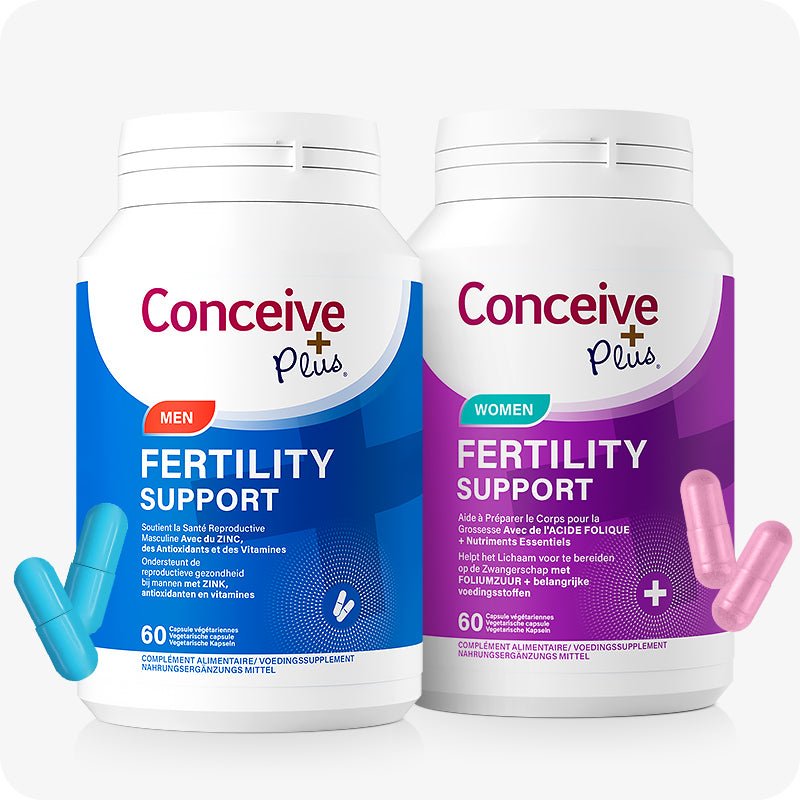
Conceive Plus Men Fertility Support provides a carefully formulated blend of these key nutrients, making it convenient for men to ensure they are getting comprehensive nutritional support for sperm health. The supplement includes clinically relevant doses of zinc, selenium, CoQ10, and other evidence-based ingredients.
For optimal results, men should begin supplementation at least three months before attempting conception, as the full sperm production cycle takes approximately 74 days. Combining supplementation with a healthy diet, regular exercise, adequate sleep, and stress management provides the best foundation for male fertility.
Supplements to Approach with Caution
Not all supplements marketed for fertility are supported by evidence, and some may even be harmful. High-dose vitamin A (retinol) can be toxic during early pregnancy, and many prenatal vitamins use beta-carotene instead, which is safer. Always check that your prenatal supplement does not exceed 1,500 micrograms (5,000 IU) of retinol.
Some herbs marketed for fertility, such as chasteberry (Vitex), black cohosh, and red clover, have limited and conflicting evidence. While traditional use is widespread, these herbs can interact with fertility medications and may not be appropriate for all women. Always consult your healthcare provider before using herbal fertility supplements.
Avoid mega-dosing on any nutrient unless specifically prescribed by your doctor. High doses of certain minerals, such as iron, selenium, and zinc, can be toxic. The principle of more is not better applies strongly to supplements.
Frequently Asked Questions
Should I take fertility supplements if I am not deficient?
A good prenatal vitamin is recommended for all women trying to conceive, even without known deficiencies. Targeted supplements like CoQ10 may be beneficial based on age and individual circumstances.
How long should I take supplements before trying to conceive?
Ideally three to four months, as egg and sperm development cycles take approximately three months. Starting earlier provides better nutritional support from the beginning of your journey.
Can supplements help with recurrent miscarriage?
Some supplements, particularly CoQ10, vitamin D, and low-dose aspirin, may help in certain cases of recurrent miscarriage. Always work with a specialist to identify the underlying cause.
Are gummy prenatal vitamins as effective?
Gummy vitamins often lack iron and may have lower nutrient doses than traditional tablets. They can be a good option for those with swallowing difficulties but may not provide complete coverage.
Can I take too many fertility supplements?
Yes. Taking multiple products that contain the same ingredients can lead to excessive intake. Stick to one comprehensive prenatal and any targeted supplements recommended by your doctor.
Do I need to take supplements during IVF?
Many fertility specialists recommend specific supplements during IVF, particularly CoQ10 and vitamin D. Always discuss supplementation with your IVF clinic before starting.
Should my partner take male fertility supplements?
Yes. Male factor contributes to 40-50 percent of infertility cases, and sperm health can be significantly improved through targeted nutrition and supplementation.
Are expensive fertility supplements worth the money?
Price does not always reflect quality. Look for third-party tested supplements with appropriate doses of key nutrients. Sometimes the most expensive products are not the best.
Can supplements improve egg quality at 40?
While supplements cannot reverse age-related decline, CoQ10 and other antioxidants may help improve egg quality even in women over 40 by supporting mitochondrial function.
What is the best time of day to take fertility supplements?
Fat-soluble vitamins (A, D, E, K, CoQ10) are best absorbed with meals containing fat. Take prenatal vitamins with food to reduce nausea and improve absorption.