IVF Preparation: What European Couples Should Know Before Starting Treatment


IVF Preparation: What European Couples Should Know Before Starting Treatment
Starting IVF (in vitro fertilisation) is a significant step — emotionally, physically, and financially. For couples across Europe, the journey to IVF often comes after months or years of trying to conceive naturally, and preparation in the weeks and months before treatment begins can meaningfully improve outcomes. This guide covers everything you need to know: from the medical workup and lifestyle changes that matter, to the emotional aspects of IVF preparation and what to expect at each stage.
IVF success rates in Europe have improved dramatically over the past decade, with European Society of Human Reproduction and Embryology (ESHRE) data showing average live birth rates per transfer ranging from 22–45% depending on age. Preparation optimises your position within that range.
Understanding the IVF Process
IVF involves stimulating the ovaries to produce multiple eggs, retrieving those eggs, fertilising them in a laboratory, and transferring one or more embryos to the uterus. In Europe, most clinics follow ESHRE guidelines and single embryo transfer (SET) is recommended in most cases to reduce multiple pregnancy risk.
A typical IVF cycle involves:
- Ovarian stimulation: 8–14 days of injectable hormones (FSH ± LH) to grow multiple follicles
- Monitoring: Regular ultrasounds and blood tests to track follicle development
- Trigger injection: hCG or GnRH agonist to mature eggs, 36 hours before retrieval
- Egg retrieval: Transvaginal ultrasound-guided procedure under sedation
- Fertilisation: Standard IVF or ICSI (intracytoplasmic sperm injection)
- Embryo culture: 3–5 days to blastocyst stage
- Transfer or freeze: Fresh transfer or freeze-all with subsequent FET
Medical Workup Before Starting IVF
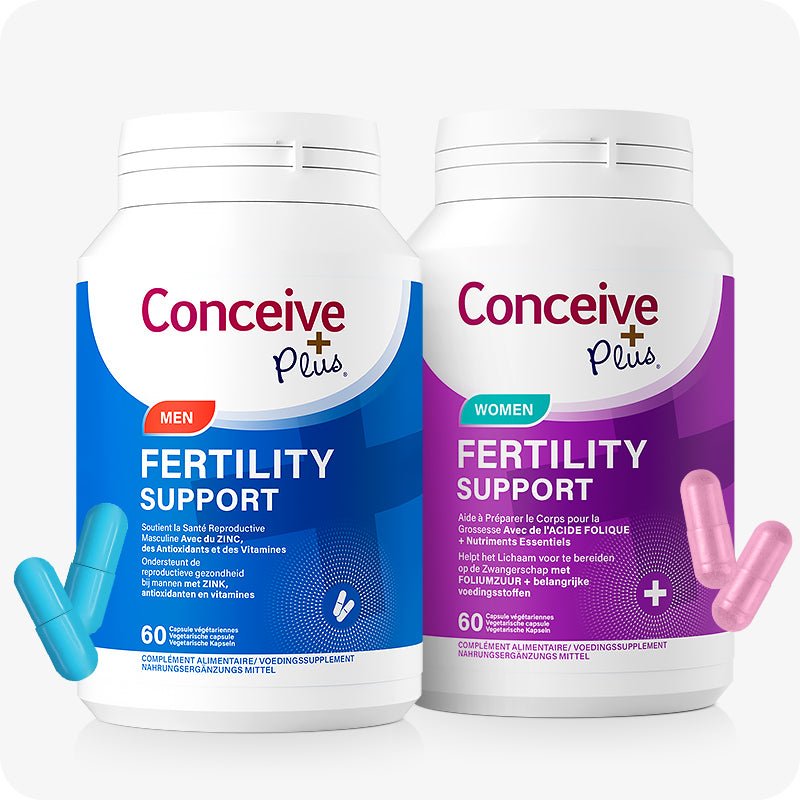
Ready to support your fertility journey? Shop Conceive Plus →
Before your first stimulation cycle, your clinic will conduct a comprehensive diagnostic workup:
For Women
- AMH (anti-Müllerian hormone) — predicts ovarian response to stimulation
- AFC (antral follicle count) — ultrasound baseline assessment
- Day 2/3 FSH, LH, oestradiol
- Thyroid function (TSH, free T4) — subclinical hypothyroidism affects implantation
- Uterine cavity assessment: sonohysterogram or hysteroscopy to check for polyps, fibroids, or septum
- Infectious disease screening: HIV, hepatitis B, hepatitis C, rubella immunity
- Karyotype (chromosomal testing) for repeated implantation failure or recurrent miscarriage
For Men
- Semen analysis (WHO 2021 criteria): concentration, motility, morphology, volume
- Sperm DNA fragmentation if poor morphology or repeated IVF failure
- Infectious disease screening
- Hormonal assessment if severe oligospermia: FSH, LH, testosterone, prolactin
Lifestyle Changes That Improve IVF Outcomes
The 3 months before IVF are critical — this is when your stimulated eggs are developing (folliculogenesis takes ~90 days) and when sperm for the retrieval is being produced (spermatogenesis takes ~72 days).
Stop Smoking Immediately
Smoking is the single most damaging modifiable factor for IVF outcomes. It accelerates ovarian ageing, reduces egg quality and quantity, increases miscarriage risk, and reduces IVF live birth rates by up to 50%. Both partners should quit immediately — secondhand smoke exposure also affects outcomes.
Limit Alcohol
Even moderate alcohol consumption is associated with reduced IVF success. Studies show women consuming more than 4 drinks/week have significantly lower live birth rates. Abstinence during the IVF cycle is strongly recommended.
Optimise Body Weight
Both underweight (BMI <18.5) and overweight (BMI >25–30) are associated with poorer IVF outcomes. Excess body fat elevates oestrogen and insulin, disrupting follicle development; underweight can indicate nutritional deficiencies affecting egg quality. A 5–10% change in body weight can meaningfully improve response.
Regular Moderate Exercise
Regular moderate exercise (30 minutes, 3–5 times/week) improves insulin sensitivity and reduces inflammation. However, very high-intensity exercise (>4 hours/week of vigorous activity) is associated with reduced IVF success and should be moderated during stimulation.
Nutritional Preparation for IVF
The Mediterranean dietary pattern has the strongest evidence base for IVF preparation. A 2019 study in Human Reproduction found adherence to a Mediterranean diet was associated with 65–68% higher chance of pregnancy in IVF. Key nutritional priorities:
- Methylfolate 400–800mcg/day: Start at least 3 months before retrieval
- CoQ10 (ubiquinol) 400–600mg/day: Supports mitochondrial energy production in eggs
- Vitamin D 1000–2000IU: Deficiency associated with poorer IVF outcomes; check levels
- DHEA 25–75mg/day: For poor responders (low AMH/AFC) — discuss with your consultant
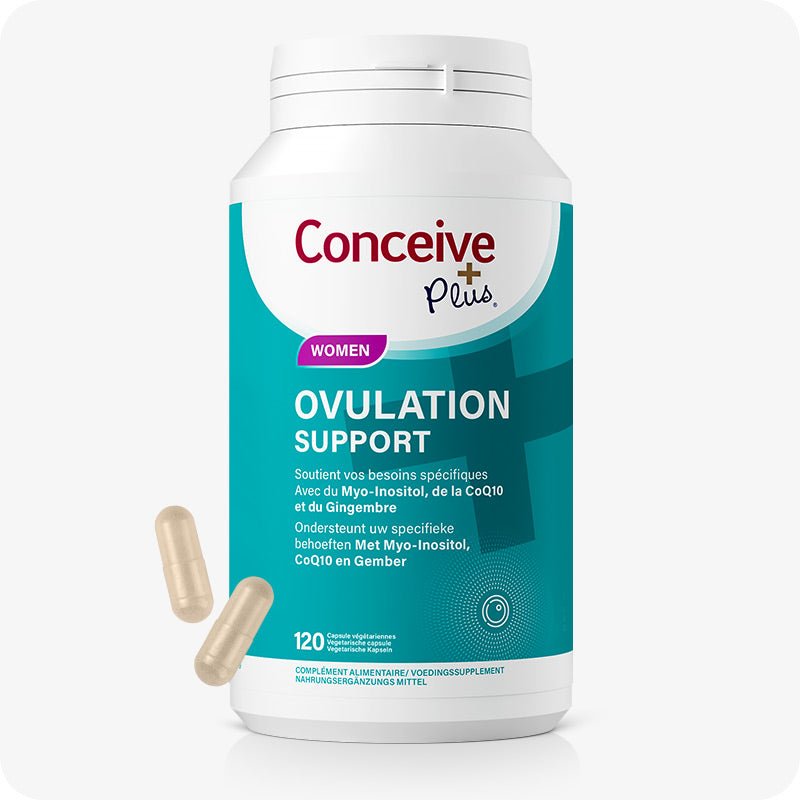
- Inositol (myo-inositol ± D-chiro): Particularly beneficial for PCOS patients to improve egg quality
- Omega-3 DHA/EPA 1g/day
Mental Health and Stress During IVF
IVF is emotionally gruelling. Psychological stress does not cause IVF failure, but the emotional burden is real and deserves direct support. Studies show that psychological support during IVF improves quality of life and reduces dropout rates (couples who stop treatment before achieving pregnancy).
Support strategies:
- Ask your clinic about psychological support services — most European fertility clinics offer this
- Join a fertility support group (online or in-person) — Fertility Network UK, Fertility Europe, and national equivalents
- Set boundaries around how much you discuss treatment with extended family
- Plan enjoyable activities that aren't related to fertility during the 2WW
- Consider couples counselling to maintain relationship health under stress
Using Conceive Plus During IVF
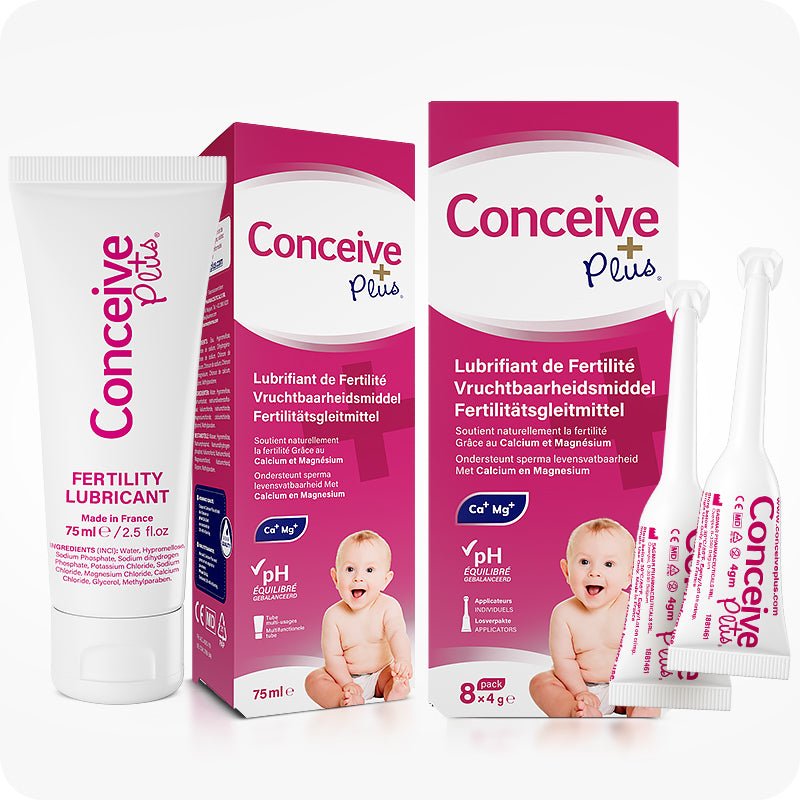
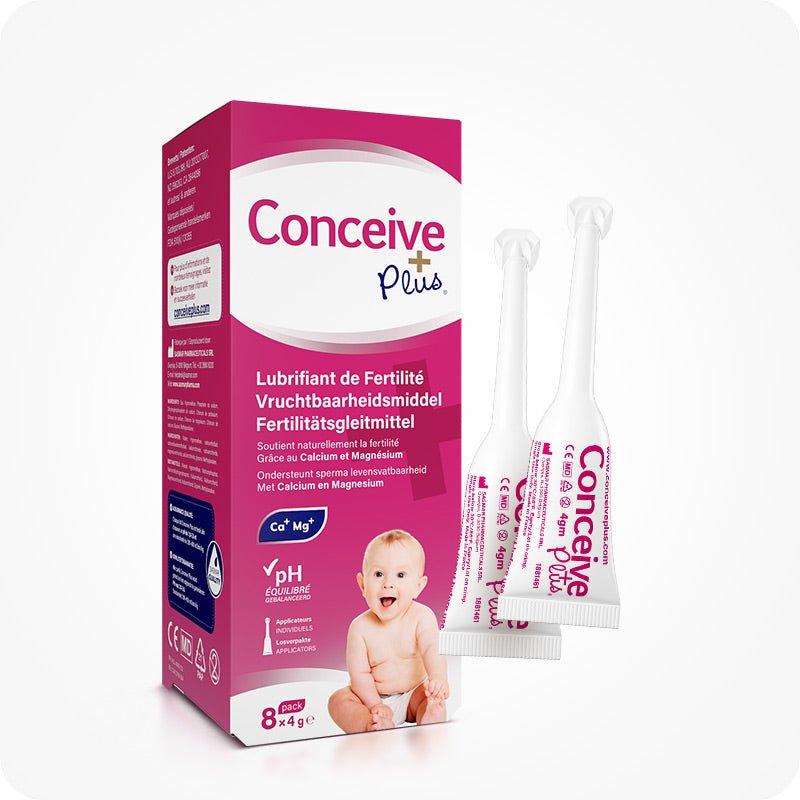
During the IVF cycle, your clinic's protocols take precedence. However, if you're also attempting natural conception in cycles between IVF attempts, using a sperm-friendly lubricant like Conceive Plus ensures you're not introducing any obstacles. Conceive Plus is pH-balanced and iso-osmotic — safe for sperm — and is used in many European IVF clinics as the recommended lubricant for intercourse in the days around egg retrieval monitoring visits.
Frequently Asked Questions: IVF Preparation
Q: How long before IVF should I start preparing?
A: Ideally 3–6 months. Eggs take 90 days to mature through folliculogenesis, and sperm take 72 days. Lifestyle and nutritional changes made now influence the quality of eggs and sperm available at retrieval.
Q: Does acupuncture improve IVF success?
A: The evidence is mixed. Some studies show benefit; others don't. The most recent Cochrane review (2020) found no significant improvement in live birth rates. However, many patients find acupuncture helpful for stress management during IVF, which has its own value.
Q: Can I exercise during IVF stimulation?
A: Light walking and gentle yoga are generally fine. Avoid high-impact exercise, particularly during stimulation when ovaries are enlarged and at risk of torsion. Your clinic will provide specific guidance.
Q: What is ICSI and do I need it?
A: ICSI (intracytoplasmic sperm injection) involves injecting a single sperm directly into each egg, rather than placing eggs and sperm together. It's recommended for male factor infertility, previous poor fertilisation, or when sperm count/motility is low. It's not necessary for all couples.
Q: How many IVF cycles might we need?
A: ESHRE data suggests that cumulative live birth rates after 3 full cycles (including frozen embryo transfers from each retrieval) reach 65–85% for women under 35, falling with age. Planning for multiple cycles financially and emotionally from the outset is pragmatic.
Q: Is there anything specific to know about IVF in different European countries?
A: Regulations vary. Some countries limit the number of embryos that can be created or transferred; egg donation rules differ significantly across the EU; coverage under national health systems varies from comprehensive (Denmark, Belgium) to limited (many Eastern European countries). Fertility tourism within Europe is common for treatments not available domestically.
Q: Should we do genetic testing (PGT-A) on embryos?
A: Pre-implantation genetic testing for aneuploidies (PGT-A) is recommended for women over 37, those with recurrent miscarriage, or repeated implantation failure. For younger women with good prognosis, the evidence is less clear. Discuss with your reproductive endocrinologist based on your specific history.
Q: What can we do to support embryo implantation after transfer?
A: Rest for 30 minutes post-transfer is common clinic advice. After that, normal activity (not strenuous exercise) is fine. Continue prescribed progesterone support. A warm (not hot) bath is fine; a sauna or hot tub is not. Avoid alcohol and smoking entirely. Eat normally and healthily — the embryo doesn't need anything unusual from you for implantation to succeed.
Support your fertility journey with Conceive Plus. Explore the full range →