Male Fertility Supplements: What Science Says About Sperm Health


Male Fertility Supplements: What Science Says About Sperm Health
When couples are trying to conceive, the focus often falls on the woman — her cycle, her ovulation, her health. But male factor infertility accounts for approximately 30–50% of all cases of difficulty conceiving. Sperm health is equally important, and increasingly, science is revealing how much lifestyle, nutrition, and targeted supplementation can improve it.
This article examines what the evidence actually says about male fertility supplements — which nutrients have genuine clinical support, how they work, and what men in Europe can do to optimise their sperm health naturally.
Understanding Male Fertility: Key Sperm Parameters
Before looking at supplements, it helps to understand what "good sperm health" actually means. When a semen analysis is conducted, these are the parameters assessed:
- Sperm count (concentration): The number of sperm per millilitre of ejaculate. The WHO reference range is ≥16 million/mL.
- Total motility: The percentage of sperm that are moving. At least 42% should show movement.
- Progressive motility: The percentage moving in a forward direction — at least 30% is considered normal.
- Morphology: The percentage of sperm with a normal shape. Normal reference is ≥4% using strict Kruger criteria.
- Sperm DNA fragmentation (SDF): The degree of damage to the genetic material within sperm. High SDF is associated with miscarriage and failed fertility treatments even when other parameters are normal.
Supplements can meaningfully improve all of these parameters, particularly in men with borderline or suboptimal results.
Optimise Your Sperm Health with Conceive Plus
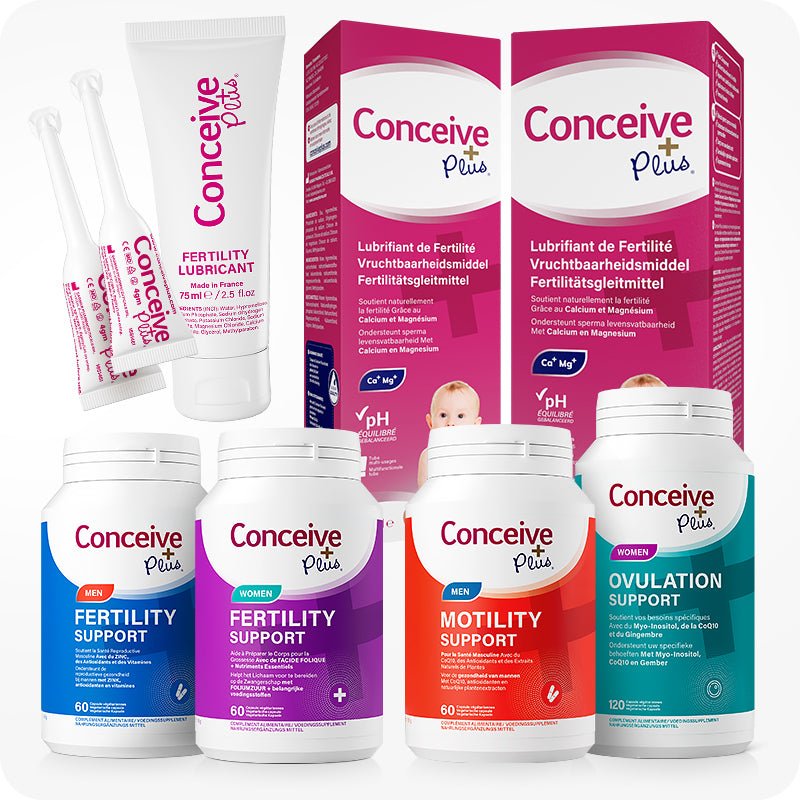
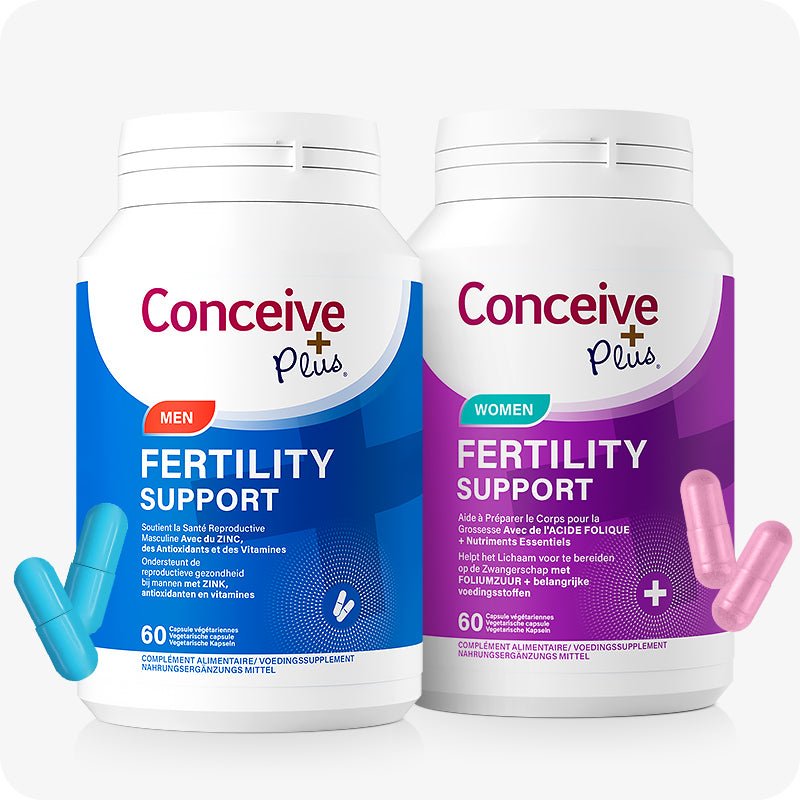
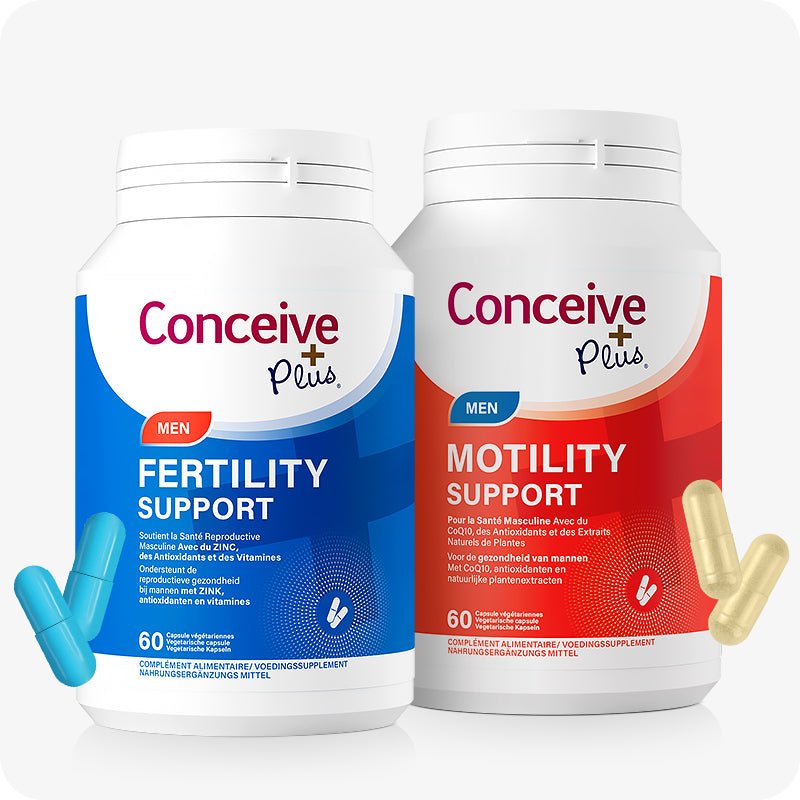
Conceive Plus men's fertility supplements contain clinically supported doses of zinc, selenium, CoQ10, L-carnitine, and antioxidants to support sperm count, motility, and DNA integrity.
Shop Conceive Plus Men's Supplements →Zinc: The Cornerstone of Male Reproductive Health
Zinc is arguably the most important mineral for male fertility. It is found in high concentrations in the male reproductive tract and is essential for:
- Testosterone production and signalling
- Sperm cell development (spermatogenesis)
- Sperm membrane integrity and protection against DNA damage
- The acrosome reaction (the process by which sperm penetrate the egg)
A comprehensive 2018 meta-analysis published in the Journal of Urology found that zinc supplementation significantly improved sperm count, motility, and morphology in men with oligospermia (low sperm count). The beneficial effects were most pronounced in men with documented zinc deficiency, but improvements were seen across the population studied.
The European Food Safety Authority (EFSA) recognises zinc as contributing to normal fertility and reproduction. Conceive Plus men's formula includes zinc at a clinically relevant dose of 15mg elemental zinc per serving.
Dietary sources of zinc include oysters (the richest source), beef, pumpkin seeds, cashews, and legumes. However, absorption of dietary zinc is highly variable depending on dietary phytate content, making supplementation an important insurance policy for men who eat plant-heavy diets.
Selenium: Protecting Sperm from Oxidative Damage
Selenium is a trace mineral with powerful antioxidant properties. In the male reproductive system, selenium is incorporated into a family of enzymes called glutathione peroxidases (GPx), which are critical for:
- Protecting sperm cells from reactive oxygen species (ROS) — the free radicals that damage sperm DNA and membranes
- Supporting the development of the sperm mid-piece (the flagellum motor that drives motility)
- Sperm chromatin stability
A double-blind randomised controlled trial published in the British Journal of Urology found that selenium supplementation significantly improved sperm motility and morphology in subfertile men. When selenium was combined with vitamin E (another antioxidant), the improvements were even more pronounced, with 11% of participants achieving natural conception during the trial period compared to 0% in the placebo group.
European men should be aware that soil selenium levels in many European countries — particularly in Northern and Central Europe — are significantly lower than in North America, meaning dietary selenium intake may be insufficient without supplementation. Conceive Plus addresses this with an evidence-based dose of selenium in its men's formula.
CoQ10: Powering Sperm Motility
Coenzyme Q10 (CoQ10) is a fat-soluble compound that plays a central role in mitochondrial energy production. Sperm are among the most metabolically demanding cells in the body — they must swim long distances using only the energy stored in their mid-piece mitochondria. CoQ10 is the key fuel for this process.
Clinical evidence for CoQ10 in male fertility is robust:
- A 2013 randomised controlled trial in Fertility and Sterility found that 300mg/day of CoQ10 for 26 weeks significantly increased sperm concentration and motility in men with idiopathic oligoasthenoteratospermia (OAT).
- A meta-analysis of 6 RCTs in the Journal of Assisted Reproduction and Genetics concluded that CoQ10 supplementation significantly improved sperm concentration, motility, and morphology compared to placebo.
- CoQ10 has also been shown to reduce sperm DNA fragmentation — one of the most clinically significant markers of male fertility.
CoQ10 levels in the body naturally decline with age, making supplementation particularly important for men over 35. Conceive Plus men's supplement includes CoQ10 in the ubiquinol form — the more bioavailable active form — for maximum effectiveness.
L-Carnitine: Supporting Sperm Energy and Motility
L-carnitine is an amino acid derivative that plays a critical role in sperm metabolism. It is present in very high concentrations in the epididymis (where sperm mature and acquire their swimming ability) and within mature sperm cells themselves.
L-carnitine's primary functions in male fertility include:
- Facilitating fatty acid transport into mitochondria for energy production — the fuel for sperm motility
- Supporting sperm maturation during epididymal transit
- Reducing oxidative stress within sperm cells
- Improving sperm morphology
A 2012 Cochrane review found that L-carnitine supplementation was associated with significant improvements in sperm motility and pregnancy rates in men with asthenospermia (poor motility). Doses of 1–3 grams per day, typically in the form of L-carnitine or acetyl-L-carnitine, were used in the most effective studies.
Antioxidants: Vitamin C, Vitamin E, and the Oxidative Stress Connection
Oxidative stress — an imbalance between reactive oxygen species (ROS) production and the body's antioxidant defences — is now recognised as a major contributor to male infertility. Research suggests that oxidative stress affects up to 80% of infertile men.
Sources of oxidative stress that damage sperm include:
- Smoking
- Alcohol consumption
- Environmental pollutants and endocrine disruptors
- Heat exposure (saunas, hot baths, laptops on lap)
- Sedentary lifestyle
- Poor diet
- Chronic stress
Vitamins C and E are powerful dietary antioxidants that work synergistically to neutralise ROS and protect sperm DNA integrity. Clinical trials combining vitamin C and E supplementation have demonstrated reductions in sperm DNA fragmentation and improvements in overall sperm parameters.
Conceive Plus men's formula includes both vitamins C and E at effective doses, alongside selenium and CoQ10, creating a comprehensive antioxidant defence for sperm cells.
Lifestyle Factors That Complement Supplementation
Supplements are most effective when combined with positive lifestyle adjustments. For European men looking to optimise sperm health:
- Maintain a healthy weight: Obesity is associated with hormonal disruption, elevated scrotal temperature, and reduced sperm quality.
- Avoid heat: Sperm production is temperature-sensitive. Avoid hot baths, saunas, and tight underwear when TTC.
- Quit smoking: Smoking significantly reduces sperm count, motility, and morphology, and increases DNA fragmentation.
- Limit alcohol: Heavy drinking impairs testosterone production and sperm quality. Even moderate drinking has been associated with reduced fertility.
- Exercise moderately: Regular moderate exercise supports testosterone levels and reduces oxidative stress. Avoid extreme endurance sports, which can paradoxically reduce sperm quality.
- Manage stress: Chronic stress elevates cortisol, which can suppress testosterone and impair spermatogenesis.
- Allow 3 months: Sperm takes approximately 72–74 days to develop. Supplements and lifestyle changes need at least 3 months to fully influence sperm quality.
Frequently Asked Questions
Do male fertility supplements actually work?
Yes, for many men. The strongest evidence supports zinc, selenium, CoQ10, L-carnitine, and vitamins C and E. These nutrients improve sperm count, motility, morphology, and DNA integrity in men with suboptimal parameters. Results are most significant in men with documented deficiencies or poor baseline sperm quality.
How long do I need to take supplements to see results?
Because sperm takes 72–74 days to develop, you typically need to take supplements for at least 3 months before a semen analysis would reflect improvements. Consistency is key — taking them irregularly will not produce the same results.
Is CoQ10 worth taking for male fertility?
Yes. CoQ10 has among the strongest evidence of any supplement for male fertility, with multiple RCTs demonstrating improvements in sperm concentration, motility, and morphology. The ubiquinol form (used in Conceive Plus) is the most bioavailable.
Can zinc really improve sperm count?
Yes. Multiple studies and meta-analyses have shown that zinc supplementation improves sperm count and motility, particularly in men with zinc deficiency. Zinc is essential for testosterone synthesis and spermatogenesis.
Should both partners take fertility supplements?
Ideally yes. Fertility is a combined effort, and both partners taking appropriate supplements — women with Conceive Plus women's formula and men with Conceive Plus men's formula — creates the optimal biological environment for conception.
Are there any side effects from male fertility supplements?
Reputable fertility supplements taken at recommended doses are generally well-tolerated. Very high doses of zinc or selenium can cause toxicity, which is why evidence-based formulas like Conceive Plus use clinically appropriate amounts. Always follow dosing instructions and consult your GP if you have underlying health conditions.
Does smoking really affect sperm?
Significantly. Smoking increases oxidative stress in the reproductive tract, reducing sperm count, motility, morphology, and increasing DNA fragmentation. Quitting smoking is one of the single most impactful changes a man can make for his fertility.
What is sperm DNA fragmentation and does it matter?
Sperm DNA fragmentation (SDF) refers to breaks or damage in the DNA within sperm. High SDF is associated with reduced fertilisation rates, higher miscarriage risk, and poorer outcomes in IVF. Antioxidant supplementation (CoQ10, vitamin C, vitamin E, selenium) helps reduce SDF.
Take Charge of Your Fertility
Conceive Plus men's fertility supplements bring together the clinically supported nutrients your sperm need — zinc, selenium, CoQ10, L-carnitine, vitamins C and E — in one daily formula. Start your 3-month sperm optimisation plan today.
Shop Conceive Plus Europe →References: WHO Manual for Semen Analysis, 2021; Ebisch IM et al., Human Reproduction Update, 2007; Safarinejad MR, Fertility and Sterility, 2013; Lenzi A et al., Fertility and Sterility, 2012; Moslemi MK, International Journal of General Medicine, 2011.