Improving Egg Quality After 40: A Science-Backed 90-Day Guide


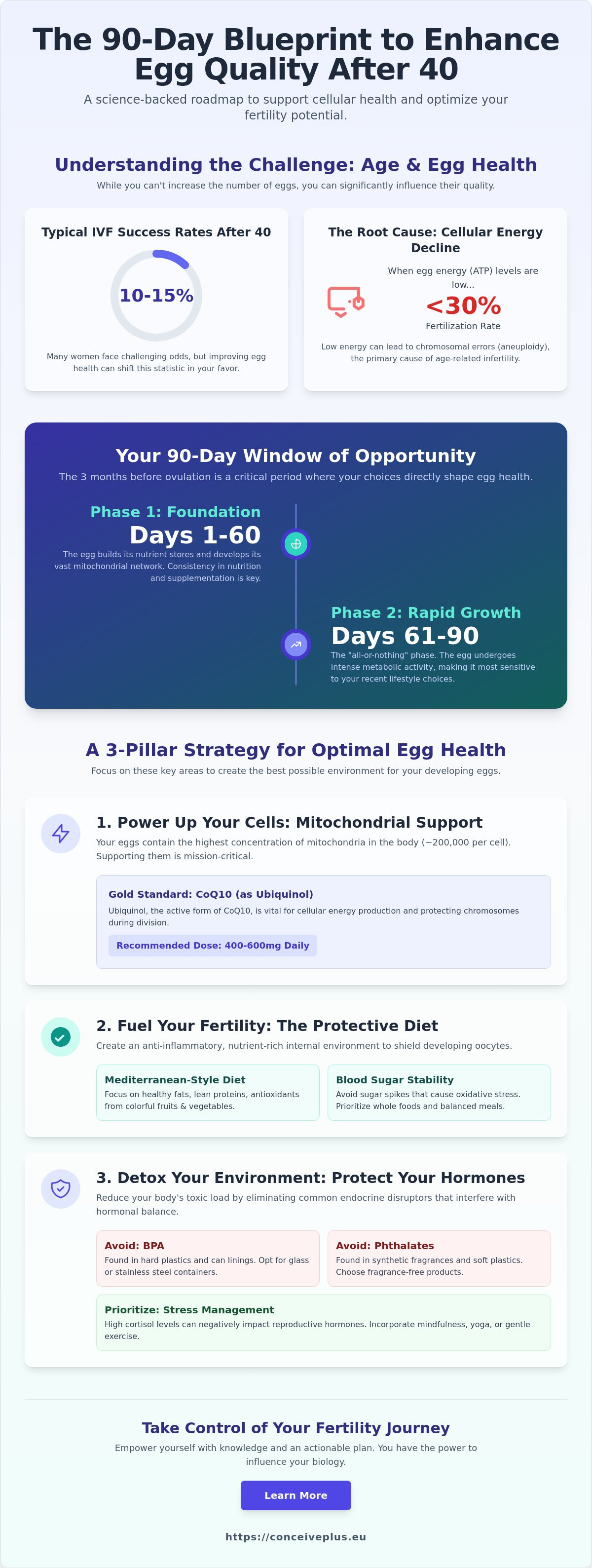
What if the quality of your eggs isn't a fixed countdown, but a biological environment you can actively influence over the next three months? A 2025 review in the Journal of Translational Medicine found that when energy levels in oocytes fall below a certain threshold, fertilization rates drop to less than 30%. If you are focused on improving egg quality after 40, it's easy to feel defeated by low AMH levels or the fact that IVF success rates for this age group are often between 10% and 15%. You deserve a strategy that moves beyond basic statistics and addresses the cellular health of your eggs.
You can optimize your fertility by focusing on the 90-day maturation window, a critical timeframe where your lifestyle choices directly impact egg health. This guide provides a science-backed roadmap to support mitochondrial function and protect your eggs from oxidative stress through nutrition and targeted supplementation. You'll learn about the role of N-acetylcysteine (NAC), the importance of specific lab tests, and how to create an actionable plan for the next three months. Instead of feeling overwhelmed by long supplement lists, you'll gain the clarity needed to improve your chances of a healthy pregnancy and feel empowered by your biology.
Key Takeaways
- Understand why the 90-day maturation cycle is the critical window for influencing the health of your eggs before ovulation.
- Learn how to recharge the "cellular batteries" of your eggs by supporting mitochondrial function with science-backed nutrients.
- Discover how blood sugar stability and a Mediterranean-style diet create a protective environment for developing oocytes.
- Identify and eliminate hidden environmental toxins like BPA and phthalates that can disrupt your hormonal balance.
- Follow a structured three-month roadmap for improving egg quality after 40 that prioritizes detoxing, nutrition, and stress management.
The Biology of Egg Quality After 40: The 90-Day Window
Every woman is born with a finite number of eggs. By age 40, that number has naturally decreased, but quantity is only half the story. While you can't change the number of eggs you have left, the health of those remaining eggs is surprisingly dynamic. The process of improving egg quality after 40 focuses on the three-month period during which a dormant egg matures before ovulation. This is your window of opportunity.
During these 90 days, the egg's internal environment is highly sensitive to external factors. The nutrients you consume and the toxins you avoid directly impact the cellular energy production needed for successful fertilization. Improving egg quality after 40 isn't about making new eggs; it's about optimizing the ones you have. To better understand this biological timeline, watch this helpful video:
What 'Quality' Actually Means for a 40-Year-Old Egg
In clinical terms, egg quality refers to whether an egg is chromosomally normal, known as euploidy, or abnormal, known as aneuploidy. As we age, the risk of Oocyte abnormalities increases significantly. This often happens because the egg lacks the energy to divide its DNA correctly. A 2025 review in the Journal of Translational Medicine found that when ATP (energy) levels in eggs fall below a specific threshold, fertilization rates drop to less than 30%. For women over 40, an aggressive approach to antioxidant support is necessary to protect the cytoplasm and maintain these vital energy levels. This protection helps prevent genetic errors before the egg even meets a sperm.
The Maturation Journey: From Primordial to Ovulated
The journey of an egg isn't a quick event; it's a marathon. It takes about 90 days for a follicle to transition from a dormant primordial state to a fully developed antral follicle ready for release. During the first 60 days, the egg builds its nutrient stores and develops its mitochondrial network. The final 30 days are an "all or nothing" phase where the egg undergoes rapid growth and intense metabolic activity. This is the stage where your nutrition and lifestyle choices have the most immediate impact on the outcome. As you track your cycle using an ovulation calculator, remember that today's egg reflects the environment you provided three months ago. Consistency during this entire window is what shifts the odds in your favor.
Mitochondrial Support: Powering the Older Egg
Mitochondria act as the primary power plants for your cells. In the context of fertility, their role is magnified because an egg cell contains approximately 200,000 mitochondria. This is the highest concentration found in any cell in the human body. These organelles produce adenosine triphosphate (ATP), the chemical energy required for every stage of conception. Improving egg quality after 40 hinges on maintaining this energy production. When ATP levels drop, the egg lacks the power to complete the complex process of maturation and fertilization.
A 2025 review in the Journal of Translational Medicine found that when ATP levels in oocytes fall below a certain threshold, fertilization rates drop to less than 30%. This energy deficit often leads to chromosomal sorting errors. If the "batteries" are low, the machinery that pulls chromosomes apart can fail, resulting in aneuploidy. By focusing on mitochondrial health, you are directly addressing the root cause of many age-related fertility challenges. Improving egg quality after 40 is largely a mission of energy restoration.
CoQ10 and Ubiquinol: The Gold Standard for Energy
Coenzyme Q10 (CoQ10) is a vital component of the mitochondrial electron transport chain. For women over 40, the form of CoQ10 matters. Ubiquinol is the "active" or reduced form of CoQ10 and is generally better absorbed by the body as we age. CoQ10 protects the spindle apparatus during meiosis to ensure chromosomes are sorted correctly. While dosages vary, many clinical studies for advanced maternal age utilize ranges between 400mg and 600mg daily to saturate the follicular fluid and provide the necessary support for the developing egg.
Synergistic Nutrients for Cellular Repair
Protecting the egg requires more than just one nutrient. A "mitochondrial cocktail" approach combines several antioxidants to create a robust defense system. PQQ (Pyrroloquinoline quinone) is a standout because it promotes mitochondrial biogenesis, which is the birth of new mitochondria within the cell. Alpha-Lipoic Acid (ALA) works alongside it by recycling other antioxidants like Vitamin C and E, keeping them active for longer. This recycling process is essential for neutralizing the free radicals that can damage delicate egg DNA.
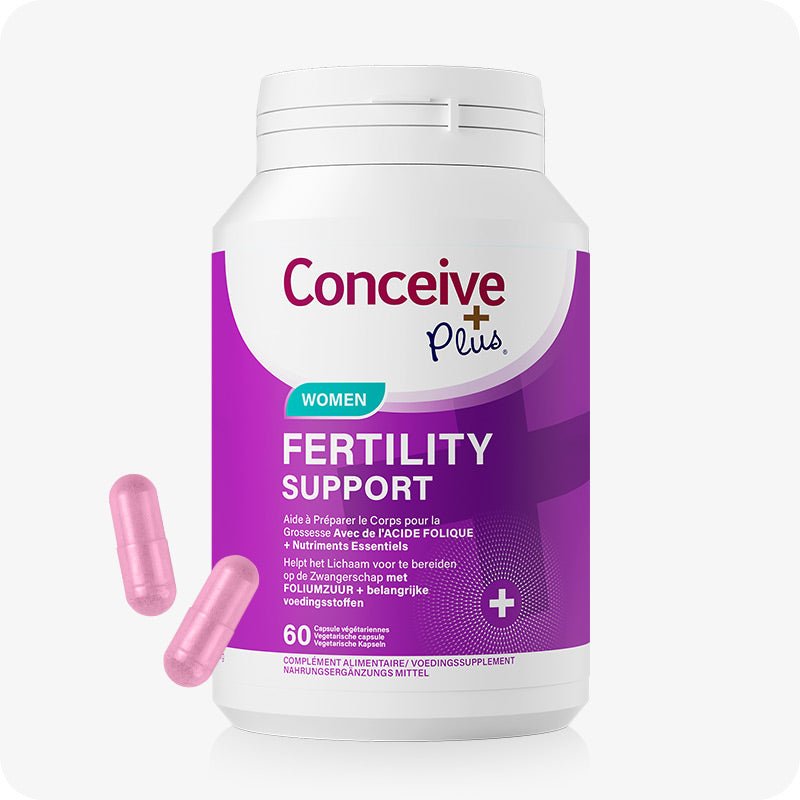
Research also shows that including dietary omega-3 fatty acids helps maintain the flexibility of the egg's outer membrane. This membrane health is crucial for the egg to successfully fuse with sperm. To support this delicate cellular environment, many women choose targeted fertility support designed for the 90-day window. Combining these nutrients helps mitigate the oxidative stress that naturally accumulates with age and provides the best possible environment for a healthy pregnancy.
The Fertility Diet and Supplement Protocol for 40+
While supporting the energy centers of your eggs is vital, the metabolic environment surrounding those eggs is equally important. Improving egg quality after 40 starts with a focus on blood sugar stability. When insulin levels spike, it can trigger inflammatory responses that compromise the delicate maturation of the oocyte. A Mediterranean-style diet, rich in anti-inflammatory fats, lean proteins, and low-glycemic carbohydrates, provides a protective buffer. This nutritional approach isn't just about general health; it ensures that the nutrients reaching your ovaries are consistent rather than erratic and inflammatory.
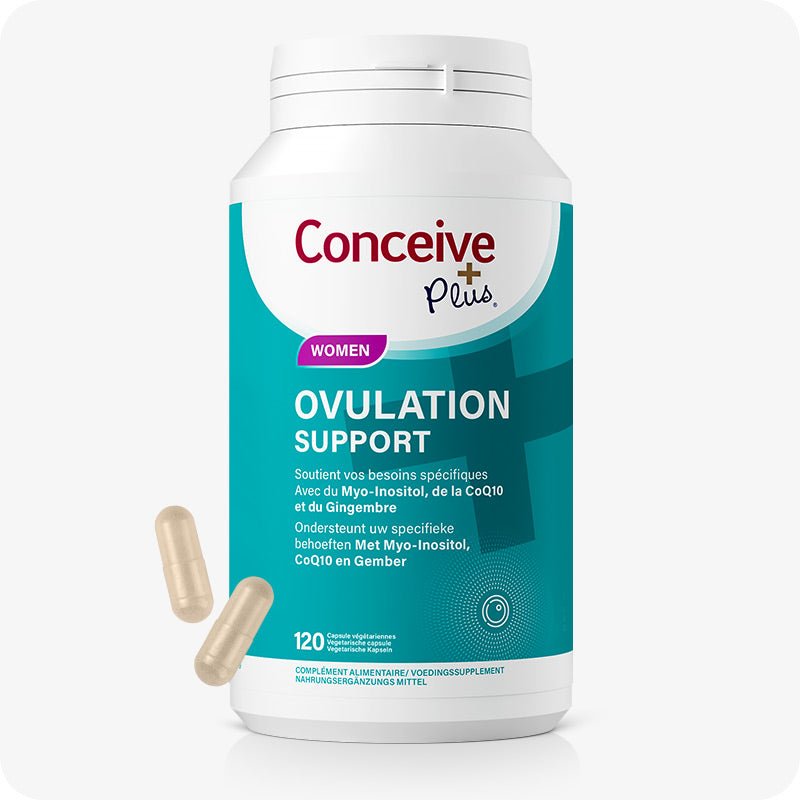
Specific nutrients also play a targeted role in DNA integrity. For instance, methylfolate is the active form of Vitamin B9, which is far more effective than synthetic folic acid for the complex DNA synthesis required during egg maturation. Similarly, Myo-inositol has shown significant promise in improving the quality of the follicular fluid. By enhancing insulin signaling at the cellular level, Myo-inositol helps the egg utilize energy more efficiently. This synergy between diet and targeted nutrients is a cornerstone of any successful 90-day protocol.
Key Supplements for the 40+ Egg Quality Protocol
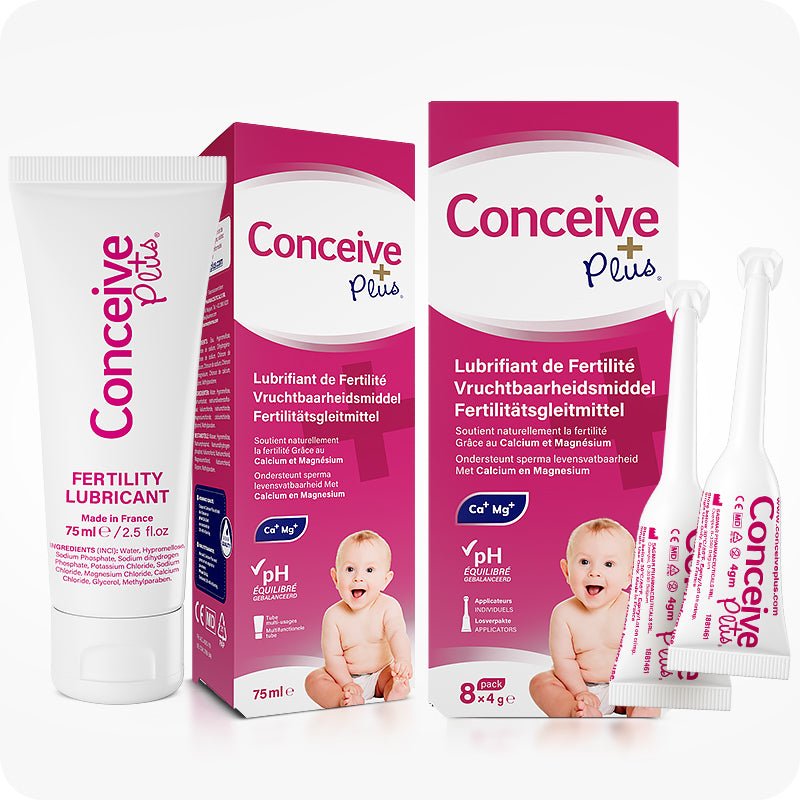
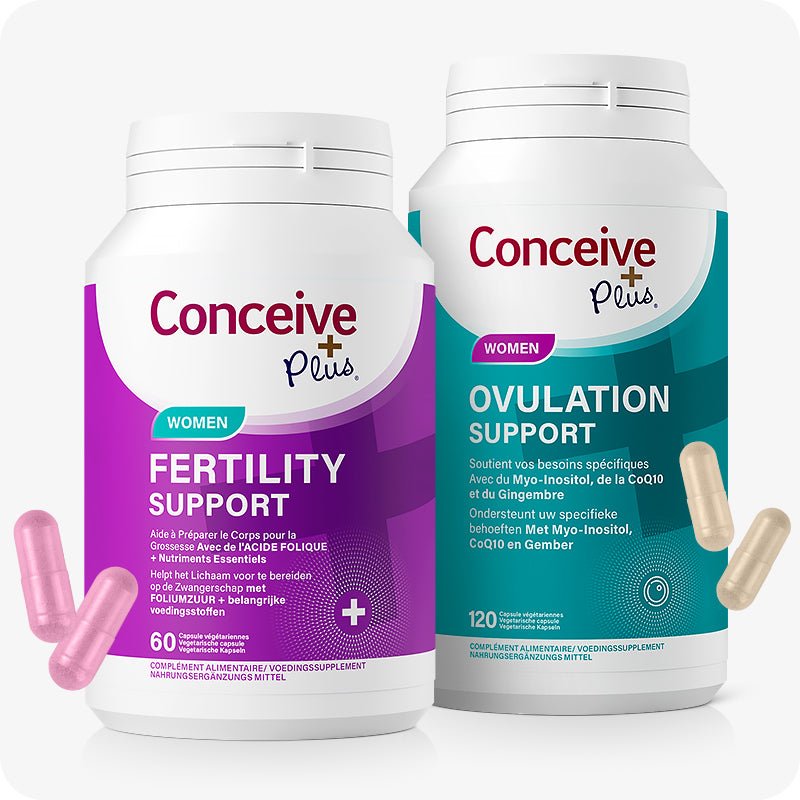
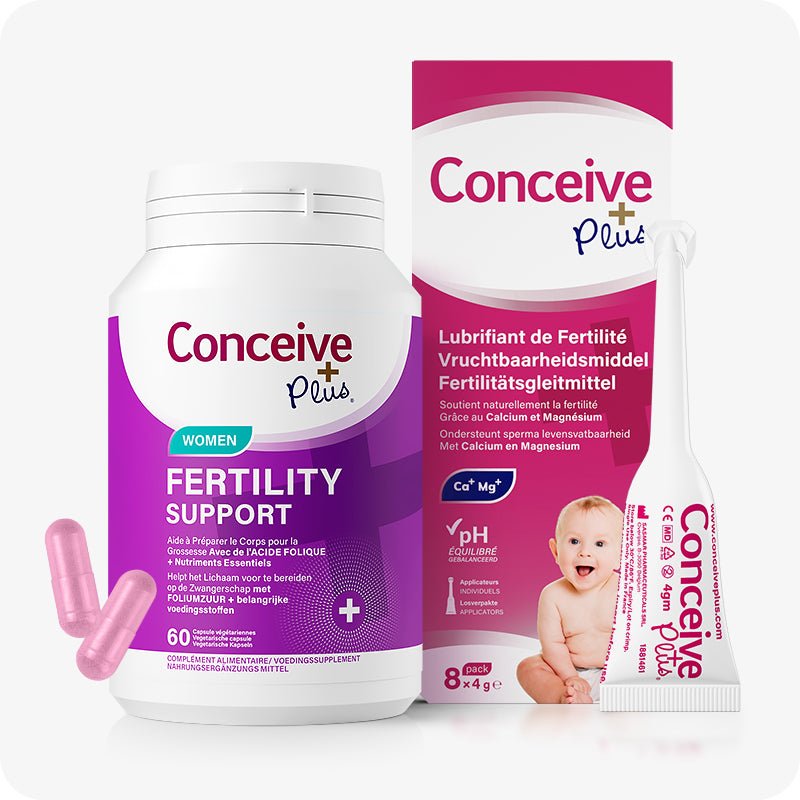
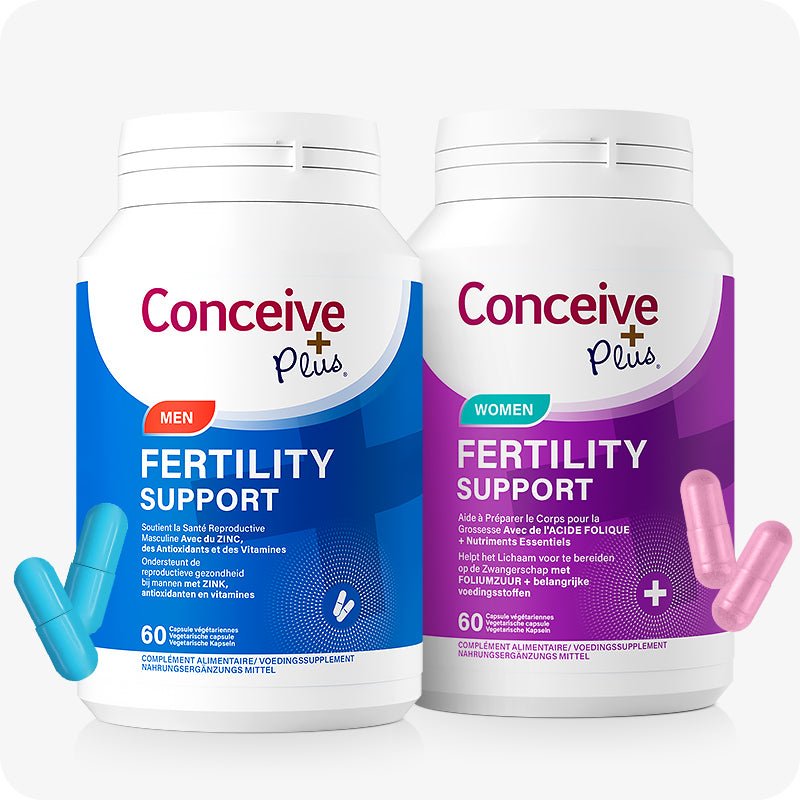
Managing a complex list of fertility vitamins can be overwhelming, but a tiered approach helps prioritize your needs. Essential nutrients like Vitamin D and Omega-3 fatty acids are fundamental for reducing ovarian inflammation and supporting hormone receptors. To simplify this complex regimen, Conceive Plus Europe fertility bundles offer a streamlined solution. These bundles are designed to meet the specific nutritional demands of older women, ensuring you receive the correct ratios of methylfolate, inositol, and essential minerals. Using these curated options from Conceive Plus Europe helps you stay consistent without the stress of managing dozens of individual bottles.
Insulin Sensitivity and Ovarian Aging
High insulin levels act as a biological accelerator for ovarian aging. When your body is constantly managing glucose spikes, the ovaries can suffer from increased oxidative stress, which mimics the effects of advanced age. You can combat this by making practical low-glycemic swaps, such as choosing berries over high-sugar fruits or replacing white grains with quinoa and lentils. These small changes don't just improve your metabolic health; they can actually lower your "biological" ovarian age. Maintaining steady energy levels throughout the day is one of the most effective ways to support your efforts in improving egg quality after 40.
Lifestyle Detox: Protecting the Ovarian Environment
Improving egg quality after 40 requires more than internal nutrients; it demands a clean external environment. Endocrine disruptors like BPA, phthalates, and parabens are found in everything from plastic food containers to scented lotions. These chemicals mimic estrogen and can bind to hormone receptors, interfering with the delicate maturation process. For women over 40, whose hormonal reserve is already more sensitive, reducing this toxic load is vital. Switch to glass containers and fragrance-free products to help your body focus on egg development rather than processing synthetic toxins.
Managing cortisol is another pillar of this detox. High levels of stress hormones can actively suppress the luteinizing hormone (LH) surge required for ovulation. While moderate movement like walking or yoga supports blood flow to the reproductive organs, overtraining can backfire. Intense, high-impact workouts may signal a state of stress to the body, which can be counterproductive when you are focused on improving egg quality after 40. Finding a "sweet spot" of regular, restorative exercise helps maintain a healthy weight without triggering a survival response that deprioritizes fertility.
Optimizing Your Sleep-Wake Cycle
Sleep is when your body performs its most critical cellular repairs. Melatonin is often thought of as a sleep aid, but it is also a powerful antioxidant found within the follicular fluid. It protects the egg from oxidative damage during the final stages of maturation. To maximize this natural defense, 7-9 hours of quality rest is non-negotiable. Maintain a "fertility-friendly" sleep routine by dimming lights an hour before bed and keeping your bedroom cool. This consistency supports the natural rhythm of your hormones and provides the quiet environment your eggs need to thrive.
Tracking and Timing Your Window
As we age, the fertile window often becomes shorter and less predictable. Precision is your greatest ally during this 90-day journey. Using a reliable ovulation calculator ensures you never miss a peak day, which is essential when every cycle counts. Pay close attention to changes in your cervical mucus, as this is a direct indicator of your estrogen quality and the health of your vaginal environment. Tracking these biomarkers gives you a clear picture of how your body is responding to your lifestyle changes. If you are ready to take the next step in your fertility journey, you can explore the range of Conceive Plus Europe fertility support products designed to complement your lifestyle detox.
Creating Your 90-Day Action Plan
Improving egg quality after 40 is a structured process that requires patience and precision. Since the maturation of an egg takes approximately three months, your actions today establish the health of the eggs you'll ovulate 90 days from now. This timeline isn't just a suggestion; it's a biological requirement for your body to incorporate nutrients and reduce oxidative stress within the follicular fluid. By following a month-by-month progression, you can systematically address each factor of ovarian health without feeling overwhelmed.
- Month 1: The Foundation. Focus on the environment. Transition to the Mediterranean-style fertility diet and perform a lifestyle detox by removing endocrine disruptors from your home. Begin your core supplement protocol to start saturating your tissues with essential vitamins.
- Month 2: The Optimization. Shift your focus to cellular energy. This is the peak time for mitochondrial support with Ubiquinol and PQQ. Incorporate restorative movement and sleep hygiene to manage cortisol levels and support natural melatonin production.
- Month 3: The Final Maturation. Use precision tracking to identify your fertile window. During this final phase of follicular growth, consistency is your priority. Maintain your nutritional standards and use an ovulation calculator to ensure perfect timing for conception.
While this 90-day plan is a powerful tool for improving egg quality after 40, time is a critical factor. The clinical recommendation for women over 40 is to consult a Reproductive Endocrinologist (RE) if you haven't conceived after six months of targeted effort. Early intervention combined with biological optimization provides the highest chance of a successful, healthy pregnancy.
Monitoring Your Progress
As you move through the protocol, track how your body responds to these changes. You should notice improvements in your energy levels and cycle regularity. Basal body temperature (BBT) charts reflect progesterone health by showing a distinct temperature rise after ovulation. If your temperature remains low or your cycles are highly irregular, use this data to refine your plan or share it with your healthcare provider for deeper diagnostic testing.
Next Steps and Resources
Every small change you make contributes to a healthier ovarian environment. Persistence during this 90-day window is what separates a haphazard approach from a successful biological strategy. To begin your journey with high-quality, targeted support, you can explore the Conceive Plus Europe special offers for bundles that simplify the 90-day protocol. Whether you're trying naturally or preparing for IVF, providing your eggs with this structured window of care is the most effective way to feel empowered and proactive about your fertility.
Empowering Your Fertility Future
The journey toward a healthy pregnancy doesn't have to be defined by age alone. By understanding that the 90-day maturation cycle is a dynamic window of opportunity, you can focus on the biological levers that matter most. Improving egg quality after 40 is possible when you prioritize mitochondrial energy production and maintain a clean, low-stress ovarian environment. These science-backed shifts in nutrition and lifestyle create the optimal conditions for your eggs to thrive during their final stages of development.
Consistency is the final piece of the puzzle. To help you navigate this complex process, you can start your 90-day egg quality journey with Conceive Plus Fertility Support. These products are scientifically formulated for couples trying to conceive and are used by millions of women worldwide. They provide the targeted nutrients necessary to support the specific biological needs of women over 40. It's never too late to invest in your cellular health. Take the first step today and trust in your body's ability to respond to dedicated care and optimization.
Frequently Asked Questions
Can egg quality really be improved after 40?
Yes, you can influence the biological environment of your eggs during their final maturation phase. While the total number of eggs is fixed at birth, the quality of the cytoplasm and the energy levels of the mitochondria are dynamic. Improving egg quality after 40 involves reducing oxidative stress and providing the specific nutrients needed for proper DNA division. By optimizing the ovarian environment, you help ensure the remaining eggs have the energy to support a healthy pregnancy.
How long does it take to improve egg quality?
It takes approximately 90 to 120 days for an egg to travel from its dormant state to the point of ovulation. This three-month window is the minimum time required for supplements and lifestyle changes to take effect. Any healthy changes you make today will impact the eggs you release three cycles from now. Consistency during this entire period is essential for seeing measurable results in your fertility outcomes and egg health.
Which supplements are best for egg quality in your 40s?
The most effective supplements focus on mitochondrial health and antioxidant protection. N-acetylcysteine (NAC) is a powerful addition; a 2022 study found that 45 days of NAC supplementation significantly increased the number of high-quality blastocysts in women of advanced maternal age. Other essentials include Ubiquinol for cellular energy and Myo-inositol for insulin sensitivity. These nutrients work together to protect the egg's genetic material from age-related damage and energy deficits.
Does stress actually affect egg quality?
Stress has a direct physiological impact on fertility by triggering the release of cortisol. High cortisol levels can interfere with the brain's communication with the ovaries, potentially delaying or suppressing the luteinizing hormone surge needed for ovulation. Chronic stress also increases oxidative damage within the follicular fluid. Managing your nervous system is just as important as your physical health when you are improving egg quality after 40 and trying to conceive.
Can I improve my egg quality if I have low AMH?
Yes, you can because Anti-Müllerian Hormone (AMH) is a marker of egg quantity, not the health of individual eggs. You can have low AMH and still produce high-quality eggs that lead to a healthy pregnancy. The goal is to ensure that the eggs you have left are as healthy as possible. Focusing on mitochondrial support ensures these eggs have the ATP required for successful fertilization and early embryo development, regardless of your total reserve.
What foods should I avoid when trying to improve egg quality?
You should avoid foods that trigger inflammation or cause sharp insulin spikes. This includes refined sugars, processed flours, and excessive caffeine. Alcohol and trans fats should also be eliminated, as they can compound mitochondrial damage and negatively affect the ovarian environment. Focus instead on whole, nutrient-dense foods that stabilize your blood sugar and provide a steady supply of antioxidants to your developing follicles during their 90-day maturation journey.
Is it better to take CoQ10 or Ubiquinol after 40?
Ubiquinol is generally considered the superior choice for women over 40. It is the active, reduced form of CoQ10, which makes it much easier for the body to absorb and use immediately. As we age, our ability to convert standard CoQ10 into Ubiquinol declines significantly. Using the active form ensures that your egg's mitochondria receive the energy support they need without requiring extra metabolic steps that can slow down the process.
How does sleep impact my chances of getting pregnant at 40?
Sleep is the primary time for hormonal regulation and cellular repair. During deep sleep, your body produces melatonin, which acts as a critical antioxidant within the follicle to protect the egg from DNA damage. Poor sleep patterns can disrupt the delicate balance of estrogen and progesterone. Aiming for 7 to 9 hours of rest helps maintain the circadian rhythms that govern your entire reproductive cycle and improves your overall chances of a successful conception.
Trusted by Couples in Over 70 Countries
Support Male Fertility From the Inside Out
Male fertility is just as important as female fertility in the conception journey. Conceive Plus Men's range delivers targeted nutritional support to promote healthy sperm and overall reproductive wellbeing.
Shop Men's Range →