Getting Pregnant After 35: A Comprehensive How-To Guide for 2026


What if the "fertility cliff" you've been warned about is actually just a gentle slope? While the "Advanced Maternal Age" label often brings a wave of anxiety, the data for 2026 tells a more hopeful story. In 2025, birth rates for women aged 35 to 39 continued to rise, and 42% of women in this age group conceive naturally within a single year. Getting pregnant after 35 isn't about racing against a ticking clock; it's about shifting from passive trying to precision preconception management.
You likely feel overwhelmed by conflicting advice and the pressure to act immediately. It's normal to worry about declining egg quality or feel lost in a sea of medical jargon. This guide provides a clear roadmap to help you navigate your options with confidence. You'll learn how to optimize your biological health, understand the latest 2026 insurance mandates like California's SB 729, and recognize exactly when to seek professional help. It's time to stop feeling pressured and start feeling in control of your reproductive journey.
Key Takeaways
- Understand the clinical timeline for seeking fertility support and why early intervention is key for women over 35.
- Identify the critical differences between egg quantity and quality to better manage your expectations while getting pregnant after 35.
- Learn how to conduct a comprehensive preconception audit with your healthcare provider to address potential health barriers before they arise.
- Discover why traditional lubricants may hinder your progress and how to create a sperm-friendly environment for natural conception.
- Master the nutritional strategies, focusing on specific antioxidants and folate, that support cellular energy and chromosomal health.
The Reality of Fertility After 35: Moving Beyond the 'Cliff' Myth
The number 35 is often treated like a biological expiration date, but this perspective is outdated. In medical settings, the term Advanced Maternal Age (AMA) is used to flag a transition into a stage where doctors recommend more frequent screenings. It isn't a signal that your body has suddenly failed. This label originated decades ago when prenatal testing was less advanced; today, it serves as a guideline for proactive care rather than a barrier to motherhood.
For many women, the "fertility cliff" narrative creates unnecessary panic. The biological reality is far more gradual. In 2025, birth rates for women aged 35 to 39 actually increased while rates for younger women declined. This reflects a broader societal shift where families are started later, supported by better health awareness and modern medical oversight. Success in this stage of life is common and supported by data.
To better understand why the age 35 milestone is often misunderstood by the public, watch this helpful video from a leading OBGYN:
Why 35 is the New 30 in Modern Fertility
Modern fertility isn't just about age; it's about overall health and precision care. Data from May 2026 confirms that women aged 35 to 39 have a 15% to 18% chance of conceiving per month. Within a single year, 42% of women in this age group achieve pregnancy naturally. These numbers prove that getting pregnant after 35 is a standard reality for millions. Improved prenatal care and diagnostic tools in 2026 allow providers to monitor pregnancies with incredible accuracy, making later childbearing safer than it was for previous generations.
Common Misconceptions About Pregnancy in Your Late 30s
Misinformation can be just as stressful as the biological changes themselves. It's helpful to separate the common myths from the medical facts:
- Myth: You'll definitely need IVF to conceive. Fact: While the use of assisted reproductive technology is rising, nearly half of women in their late 30s conceive without medical intervention within 12 months.
- Myth: Your eggs all "expire" the day you turn 35. Fact: The decline in egg quality is a slow, multi-year process. Your health status, nutrition, and lifestyle play significant roles in your reproductive potential.
- Myth: High risk is a guarantee. Fact: While certain risks like Down syndrome increase to 1 in 353 at age 35, the vast majority of pregnancies in this age group result in healthy, full-term births.
Success when getting pregnant after 35 is often about preparation. By focusing on your body's specific needs rather than a generalized fear of the "cliff," you can move forward with a clear, evidence-based plan that prioritizes your reproductive health.
Understanding the Biology: Egg Quantity vs. Egg Quality
Most discussions about getting pregnant after 35 focus on the biological clock. This usually refers to the ovarian reserve, which is the total number of eggs remaining in your ovaries. While quantity is important, egg quality is often the more critical factor for a successful birth. Quality refers to chromosomal integrity and mitochondrial energy. As eggs age, they are more susceptible to oxidative stress. This stress can damage the DNA and the delicate structures that provide energy for cell division.
It's a common misconception that eggs are static until the moment of ovulation. In reality, an egg undergoes a maturation process lasting approximately 90 days before it's released. This three-month window is your best opportunity to influence egg health through nutrition and lifestyle. Following ACOG guidelines on pregnancy after 35 can help you understand the clinical risks associated with this biological decline, but it also highlights how proactive care during this maturation phase can support better outcomes.
The Role of Mitochondria in Oocyte Health
Eggs are the most energy-demanding cells in the human body. They require massive amounts of power to divide properly after fertilization. This power comes from mitochondria, the tiny organelles within the cell. Mitochondrial energy is the fuel for cellular division. When these power plants inside the egg age, they produce less energy and more harmful byproducts. This decline can lead to fertilization failure or early pregnancy loss. Supporting mitochondrial health with targeted antioxidants is a core strategy for anyone getting pregnant after 35. Using specialized fertility support tools during this window can help create the right conditions for these delicate cells.
Testing Your Reserve: AMH and Antral Follicle Counts
To understand your unique biological profile, doctors use two primary tools to assess your reserve. The Anti-Müllerian Hormone (AMH) test is a blood draw that estimates your remaining egg supply. It tells you about quantity, not quality. A low AMH doesn't mean you can't conceive naturally; it just suggests you might have fewer cycles left to try. The second tool is an Antral Follicle Count (AFC). This uses an ultrasound to count active follicles at the start of your menstrual cycle. Together, these tests provide a snapshot of your current fertility potential. Don't panic over a single low result. These values are just data points to help you and your doctor decide on the best timeline for your journey.
Natural Conception vs. Assisted Reproduction: Choosing Your Path
Choosing how to proceed is a deeply personal step in your journey toward getting pregnant after 35. While many couples prefer to start with natural conception, others look toward Intrauterine Insemination (IUI) or In Vitro Fertilization (IVF) to maximize their chances. The standard clinical advice for this age group is the six-month rule. If you aren't pregnant after six months of well-timed intercourse, it's time to consult a specialist. This proactive approach accounts for the gradual decline in egg quality and ensures you aren't losing valuable time. Following the ACOG guidelines on pregnancy after 35 provides a reliable framework for when to seek help. No matter which path you take, integrating fertility-friendly support products can help optimize your environment for success.
When to Transition from 'Natural' to 'Clinical' Support
The decision to move from home-based efforts to clinical support often depends on your specific health markers. You shouldn't wait the full six months if you have a history of irregular periods, endometriosis, or polycystic ovary syndrome (PCOS). These conditions can complicate the process and require earlier intervention. By age 38, the window for natural conception narrows more quickly, making a "wait and see" strategy riskier. Modern legal changes in 2026 have made these clinical paths more accessible. For instance, California's SB 729 mandate now requires large-group health plans to cover infertility treatments, including up to three IVF egg retrievals. As of January 2026, 25 states and Washington D.C. have enacted laws requiring some level of fertility insurance coverage, reducing the barrier to entry for many families.
The Financial and Emotional Costs of Different Paths
Each path carries its own set of demands. Assisted reproduction involves significant time commitments, frequent clinic visits, and hormonal medications. While these procedures offer higher success rates for some, they also come with a unique emotional weight. Conversely, getting pregnant after 35 through natural methods often leads to the stress of "timed intercourse," which can turn intimacy into a scheduled chore. Maintaining a strong connection with your partner is vital during this time. Focus on open communication and shared goals to prevent the process from becoming purely clinical. Whether you are using natural methods or assisted technology, the ultimate goal remains a healthy pregnancy. Both paths are valid ways to reach that outcome, and choosing the one that fits your emotional and financial capacity is key to a positive experience.
Your Step-by-Step Guide to Conceiving After 35
Transitioning from passive trying to a precision-based strategy is the most effective way of getting pregnant after 35. Start with a "Preconception Audit." This involves more than a standard physical; you should discuss your ovarian reserve tests, current medications, and any underlying conditions like fibroids or thyroid issues with your OBGYN. This audit sets the baseline for your personalized roadmap and identifies potential hurdles before they waste your time.
Precision Cycle Tracking: Finding Your Fertile Window
Guessing your fertile window is a common mistake that wastes precious cycles. Using an ovulation calculator allows you to pinpoint your peak fertility days with accuracy. You must understand the difference between a Luteinizing Hormone (LH) surge and actual ovulation. While a positive LH test indicates your body is preparing to release an egg, it doesn't guarantee ovulation has occurred. Precision tracking helps you time intercourse during the two to three days leading up to ovulation, which are your most fertile moments.
Preconception Nutrition: Feeding Your Fertility
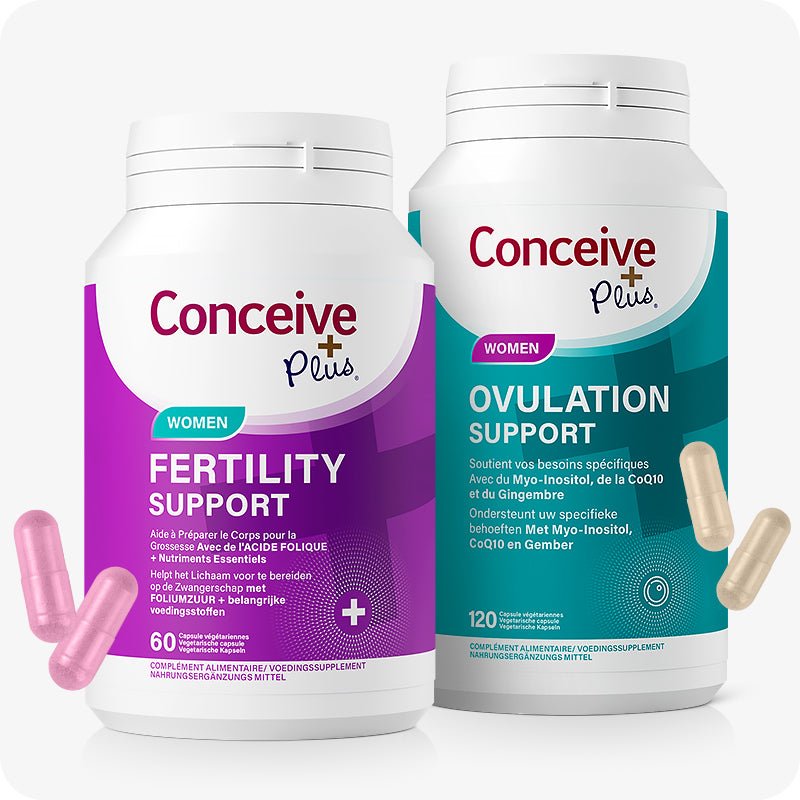
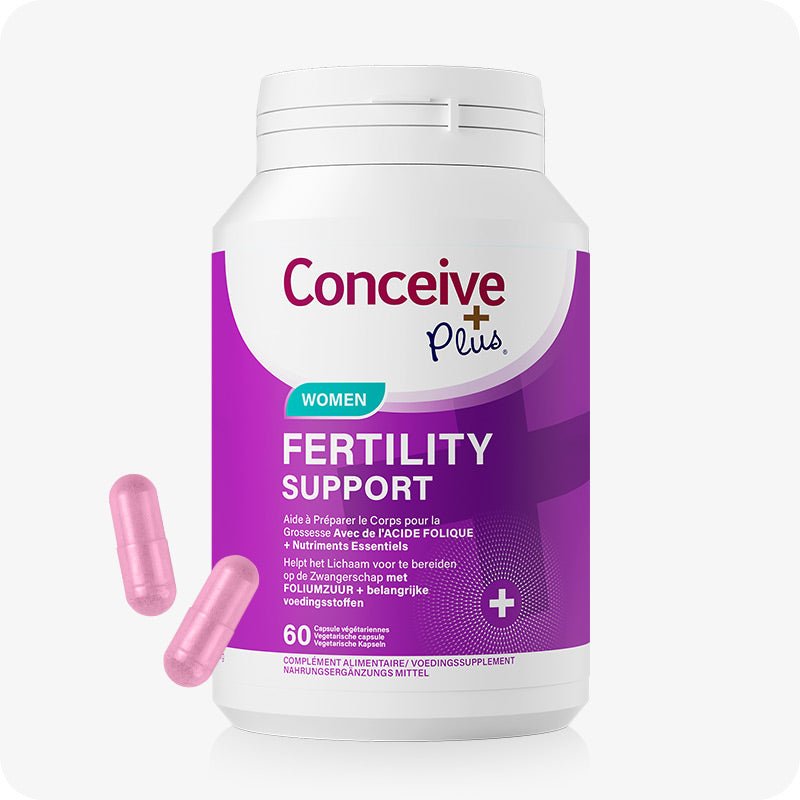
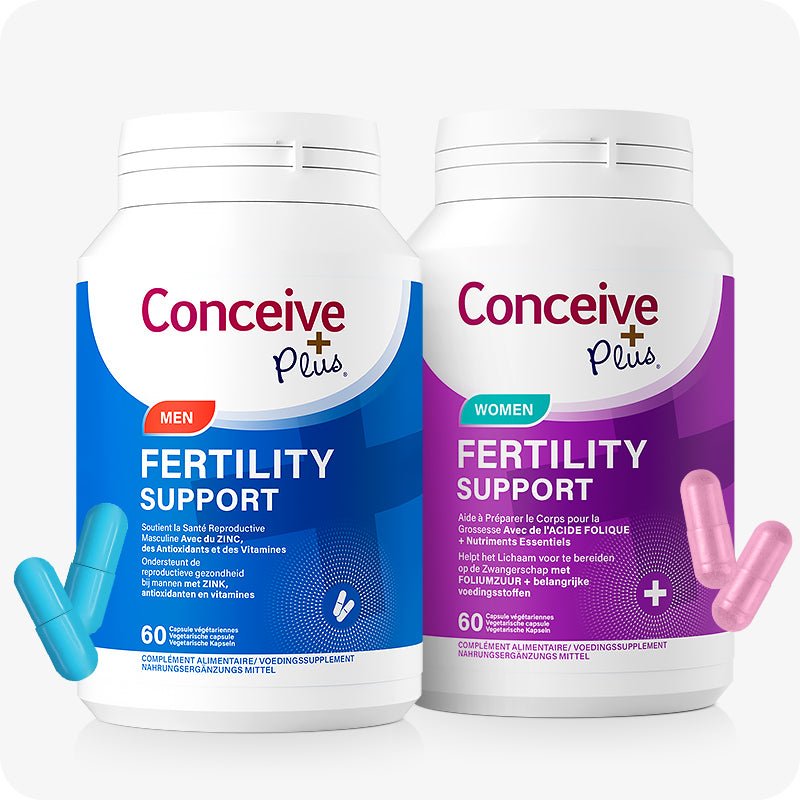
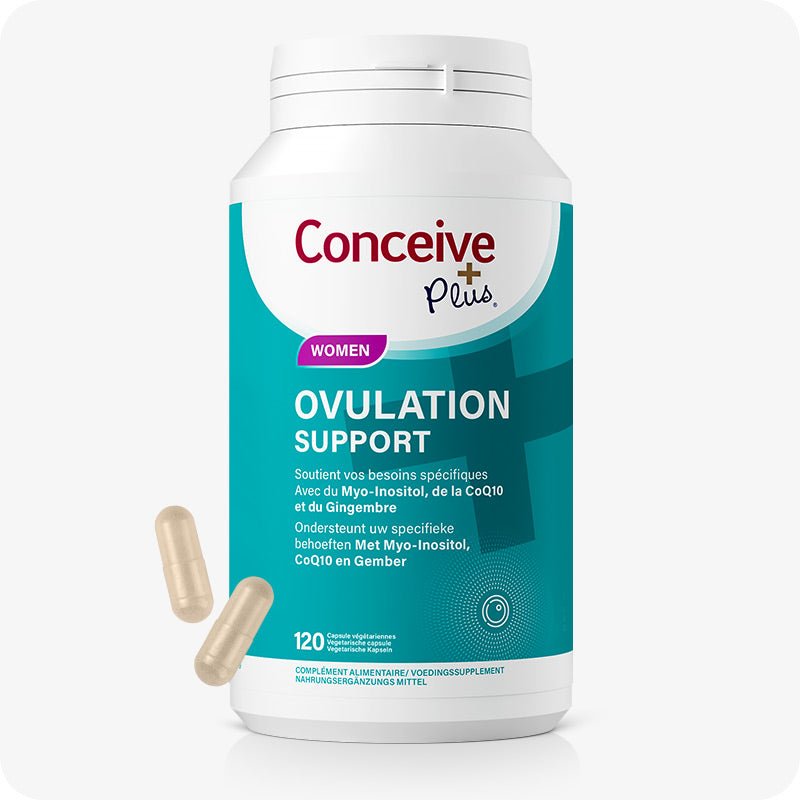
Focus on specific nutrients that support cellular integrity. Myo-Inositol helps with insulin sensitivity and egg quality, while Methylfolate provides a more bioavailable form of B9 than standard folic acid. CoQ10 supports egg mitochondrial function by providing the essential energy required for successful fertilization and early embryo development. Don't ignore your partner's diet. Sperm health contributes 50% of the genetic material, so his intake of zinc, selenium, and antioxidants is just as vital for a healthy pregnancy.
The '35+ Lifestyle' Adjustments
High cortisol levels can disrupt the delicate hormonal feedback loop between your brain and ovaries. Managing stress isn't just about feeling better; it's about protecting your progesterone levels. 2026 research suggests that even moderate alcohol and high caffeine intake can impact oocyte quality in women over 35. Find the "Goldilocks" zone for exercise. While staying active is crucial, overtraining can signal the body to prioritize survival over reproduction, potentially delaying ovulation.
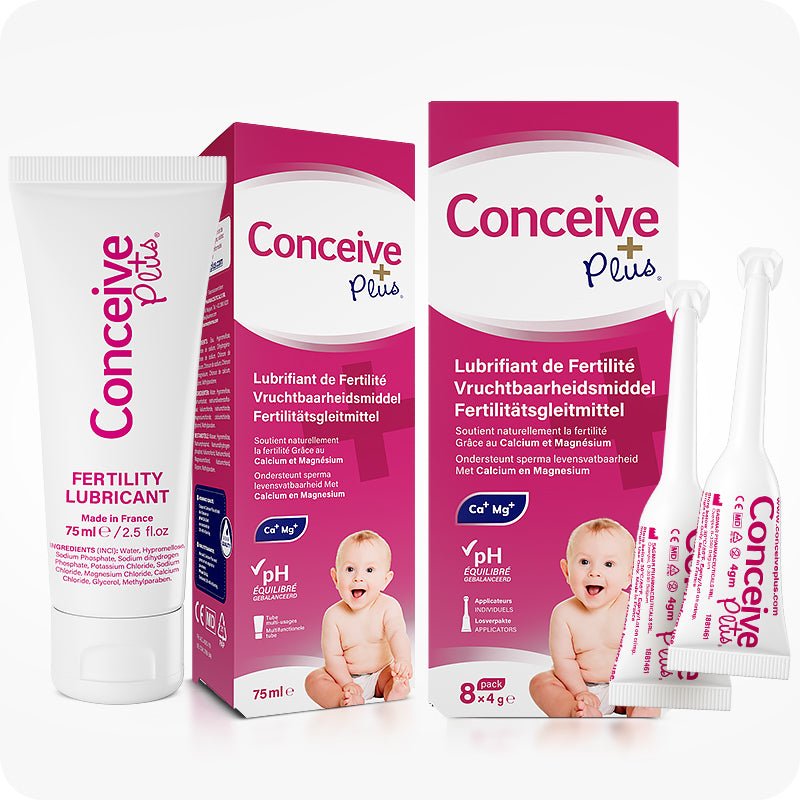
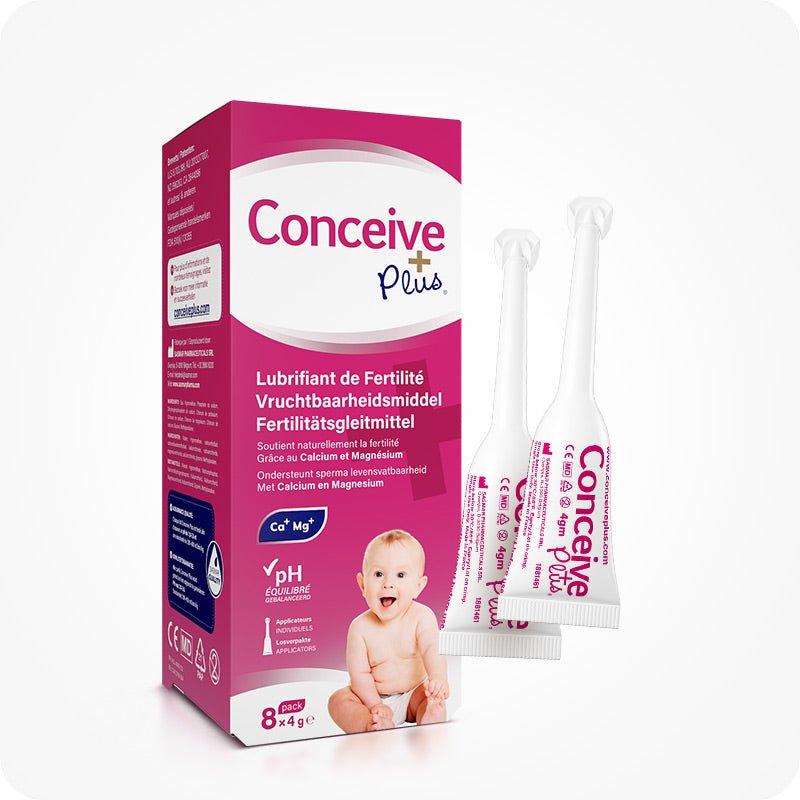
Finally, address your internal environment by using fertility-friendly lubricants. Many standard products have a low pH that can be toxic to sperm. Specialized lubricants match the natural pH of your fertile cervical mucus to support sperm motility and survival. Mastering these proactive steps is the most effective way to approach getting pregnant after 35 with confidence. You can start your fertility journey with Conceive Plus to ensure you have the right tools for every step of the process.
Optimising the Environment: How Conceive Plus Supports Your Goals
While you've mastered cycle tracking and nutrition, the vaginal environment remains a critical final hurdle. Most standard lubricants are formulated with a low pH to mimic the body's natural acidic state, which helps prevent infections. However, this acidity is toxic to sperm. For those focused on getting pregnant after 35, using these products can inadvertently sabotage your efforts. Standard lubricants can act as a barrier, slowing down sperm or damaging their integrity before they even reach the cervix. Conceive Plus solves this by creating a pH-balanced, ionic environment that supports sperm survival rather than hindering it.
The science of conception depends on more than just timing. It requires a specific chemical balance. Sperm need an environment with a pH between 7.0 and 8.5 to remain motile and healthy. By matching this range, Conceive Plus ensures that the "pathway" is as welcoming as possible. This is especially important as we age, as natural cervical mucus production can sometimes vary in quality or quantity. Using a fertility-friendly lubricant ensures that the environment is optimized for every cycle you try.
Why Calcium and Magnesium are Critical for Conception
These aren't just random minerals. Calcium and Magnesium are essential ions found naturally in human semen and fertile cervical mucus. Calcium triggers the sperm’s ability to penetrate the egg’s outer layer, a process known as the acrosome reaction. Magnesium provides the necessary support for sperm motility, giving them the energy to complete their journey. Conceive Plus features a patented formula that includes these specific ions. By mimicking the body's natural fluids, it provides a bridge for sperm to move freely. It's a tool designed by fertility experts to ensure the biological environment is as supportive as possible.
Choosing the Right Products for Your 35+ Journey
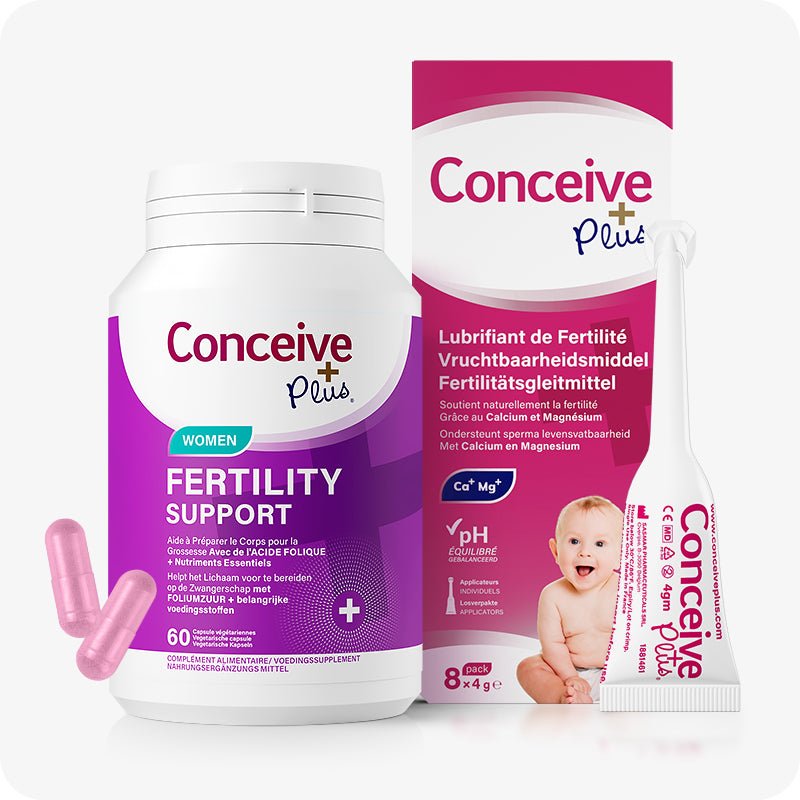
Maximizing your odds means addressing fertility from multiple angles. You can integrate specialised fertility bundles into your daily routine to combine external support with internal nutritional optimization. The full product range includes everything from fertility-friendly lubricants to targeted supplements for both partners. As of May 2026, these products are widely available through major retailers like Walmart and the official Conceive Plus website.
Success is often the result of small, consistent actions. By combining precision tracking with an optimized environment, you remove the guesswork from the process. Getting pregnant after 35 is a journey of precision. Having the right environment is the final piece of that puzzle. Take these proactive steps today to ensure your body has the best possible support for a healthy pregnancy.
Taking Proactive Steps Toward Your Future Family
You now have the tools to move beyond fear and into a phase of precision preconception. We have explored how getting pregnant after 35 is a common reality supported by modern medicine and proactive health management. By focusing on the critical 90-day egg maturation window, mastering your cycle tracking, and ensuring your internal environment is sperm-friendly, you're significantly improving your odds. Success often comes down to these small, evidence-based adjustments that support your body's natural processes.
Conceive Plus has been a leader in this space, trusted by millions of couples since 2008. Our patented formula includes essential calcium and magnesium ions and is currently recommended by doctors in over 70 countries. Whether you're just starting to track your cycle or are looking for ways to enhance your current efforts, we're here to support every step of your journey. Ready to take the next step? Shop the Complete Conceive Plus Fertility Collection today. Your path to motherhood is unique, and you have the knowledge to move forward with absolute confidence.
Frequently Asked Questions
Is 35 really the 'cutoff' for natural pregnancy?
No, 35 is not a hard cutoff for natural conception. Data from 2025 shows that 42% of women aged 35 to 39 conceive naturally within 12 months of trying. While biological changes occur, they happen gradually rather than overnight. Healthy women in their late 30s often have successful, natural pregnancies by focusing on precision timing and overall wellness during their cycles.
How can I improve my egg quality after 35?
You can support egg quality by focusing on the three-month maturation cycle before ovulation. Supplements like CoQ10, Myo-Inositol, and targeted antioxidants help protect the mitochondrial energy of the egg. Reducing oxidative stress through a diet rich in leafy greens and lean proteins is also essential when getting pregnant after 35. These changes support chromosomal integrity during the final stages of egg development.
How long should I try naturally before seeing a fertility doctor if I'm over 35?
The standard clinical recommendation is to seek professional help after six months of regular, unprotected intercourse. This timeframe is shorter than the one-year rule for younger women because it allows for earlier intervention if issues exist. You should consult a specialist immediately if you have known conditions like endometriosis, PCOS, or highly irregular cycles that might complicate your reproductive journey.
Do I need special prenatal vitamins if I'm trying to conceive in my late 30s?
While standard prenatals are a good baseline, women in their late 30s often benefit from formulas containing methylfolate instead of synthetic folic acid. Look for vitamins that include specific antioxidants like Vitamin E and C to combat oxidative stress. These specialized nutrients provide the extra support needed for cellular division and can be a vital part of getting pregnant after 35 successfully.
Can my partner's age affect our chances of getting pregnant after 35?
Yes, paternal age is a significant factor in a couple's overall fertility. Research shows that sperm volume and motility often decline after age 40, and DNA fragmentation rates can increase. This can lead to longer conception times or a higher risk of early pregnancy loss. Encouraging your partner to maintain a healthy weight and take sperm-supporting antioxidants is a crucial part of the process.
What are the most common signs of ovulation to track?
Tracking cervical mucus is one of the most reliable ways to identify your fertile window. Look for a clear, stretchy consistency similar to raw egg whites. You can also use ovulation predictor kits to detect the Luteinizing Hormone (LH) surge that precedes egg release. Combining these methods with basal body temperature (BBT) tracking provides a comprehensive view of your monthly cycle and confirms ovulation has occurred.
Are there specific fertility-friendly lubricants I should use?
You should only use lubricants specifically labeled as "fertility-friendly" or "sperm-friendly." Standard lubricants often have an acidic pH that can kill sperm or act as a physical barrier to their movement. Products like Conceive Plus are formulated with a neutral pH and essential ions like calcium and magnesium. These ingredients mimic natural fertile fluids and support sperm motility as they travel toward the egg.
What lifestyle changes have the biggest impact on fertility after 35?
Managing your "toxic load" and sleep quality often has the most immediate impact. Exposure to endocrine disruptors found in certain plastics and fragrances can interfere with delicate hormonal balances. Prioritizing seven to eight hours of restorative sleep helps regulate cortisol and reproductive hormones. Moderate exercise is helpful, but avoid extreme overtraining, which can sometimes delay or disrupt your regular ovulation cycle.
Trusted by Couples in Over 70 Countries
Support Male Fertility From the Inside Out
Male fertility is just as important as female fertility in the conception journey. Conceive Plus Men's range delivers targeted nutritional support to promote healthy sperm and overall reproductive wellbeing.
Shop Men's Range →