Fertility Supplements: A Science-Backed Guide to What Works and Why


Fertility Supplements: A Science-Backed Guide to What Works and Why
Walking into a health food store or browsing online for fertility supplements can feel overwhelming. The market is crowded with products making bold claims, and separating evidence-based interventions from marketing noise requires a clear understanding of the underlying science. This guide cuts through the complexity to present what research actually shows about the most important fertility supplements — for both women and men — and how they fit into a comprehensive conception strategy.
It's worth stating upfront: no supplement replaces medical evaluation, a balanced diet, or appropriate medical treatment. But for many couples, targeted nutritional supplementation — chosen based on individual needs and supported by evidence — can meaningfully improve the hormonal, cellular, and immune environment in which conception occurs.
Folate and Folic Acid: The Foundation of Fertility Supplementation
Folate (and its synthetic form, folic acid) is the best-established fertility nutrient — the one that virtually all health authorities agree every woman trying to conceive should be taking. But the science of folate is more nuanced than public health messaging sometimes suggests.
Why folate matters: Folate is a B vitamin essential for single-carbon metabolism — the cellular process that underpins DNA synthesis, DNA methylation, and amino acid production. During the periconceptional period and early pregnancy, adequate folate is critical for neural tube closure (which occurs in the first 28 days of pregnancy, often before a woman knows she's pregnant), for supporting rapid cellular division in the developing embryo, and for normal placental development.
Evidence base: The evidence for folate supplementation in preventing neural tube defects (spina bifida, anencephaly) is among the strongest in all of nutritional medicine — supported by multiple large randomized controlled trials and decades of epidemiological data. A landmark 1991 MRC trial demonstrated that folic acid supplementation reduced the recurrence of neural tube defects by 72%.
Folate and female fertility: Beyond neural tube prevention, adequate folate status is associated with improved ovulatory function, better embryo quality, and reduced risk of early pregnancy loss. Studies have found that women with higher dietary folate intake have lower rates of ovulatory infertility. A study from the Nurses' Health Study II found that higher folic acid intake from supplements was associated with a 59% lower risk of ovulatory infertility after adjusting for other dietary and lifestyle factors.
The MTHFR issue: Approximately 40–60% of the population carries a variant in the MTHFR gene (most commonly the C677T polymorphism), which reduces the activity of the enzyme that converts synthetic folic acid into its active, usable form (5-methyltetrahydrofolate, or 5-MTHF). Women with the homozygous C677T variant have a meaningfully reduced ability to process synthetic folic acid. For these women — and increasingly recommended for all women TTC — methylfolate (5-MTHF) is the preferred form, as it bypasses the MTHFR enzyme and is directly bioavailable.
Recommended dose: 400–800 mcg of methylfolate (or folic acid) daily for women trying to conceive; 5 mg daily if there is a personal or family history of neural tube defects. Folate is also important for men — adequate male folate status is associated with lower rates of sperm DNA fragmentation and chromosomal abnormalities in sperm.
CoQ10 and Egg Quality: What the Research Shows
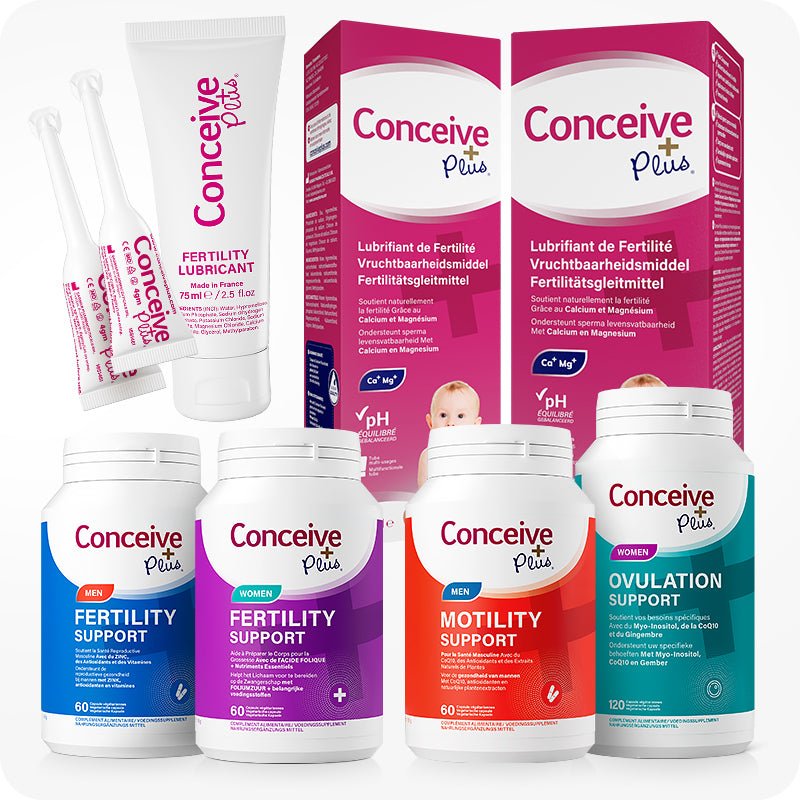
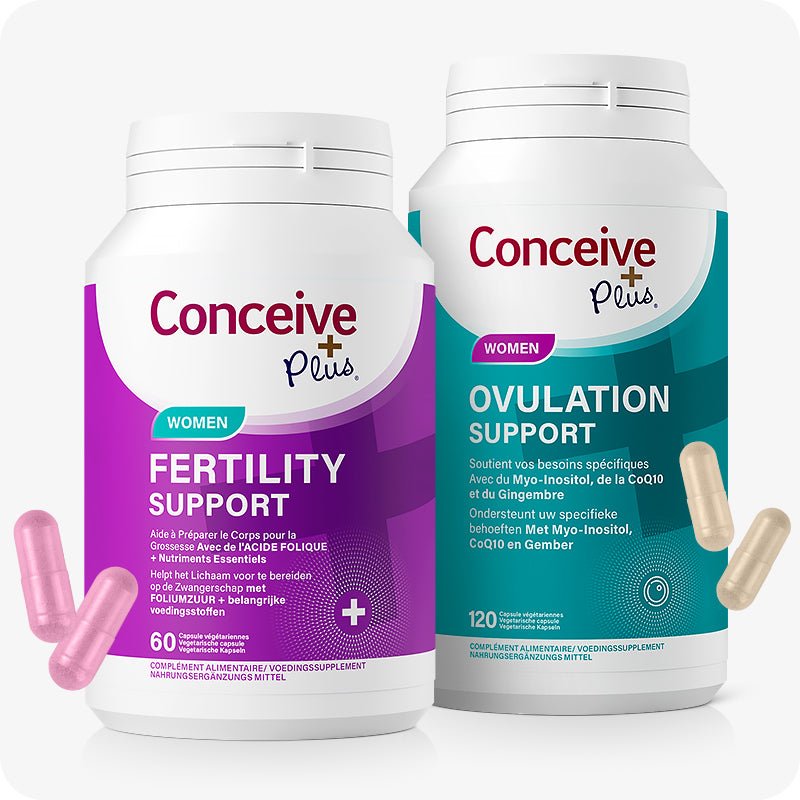
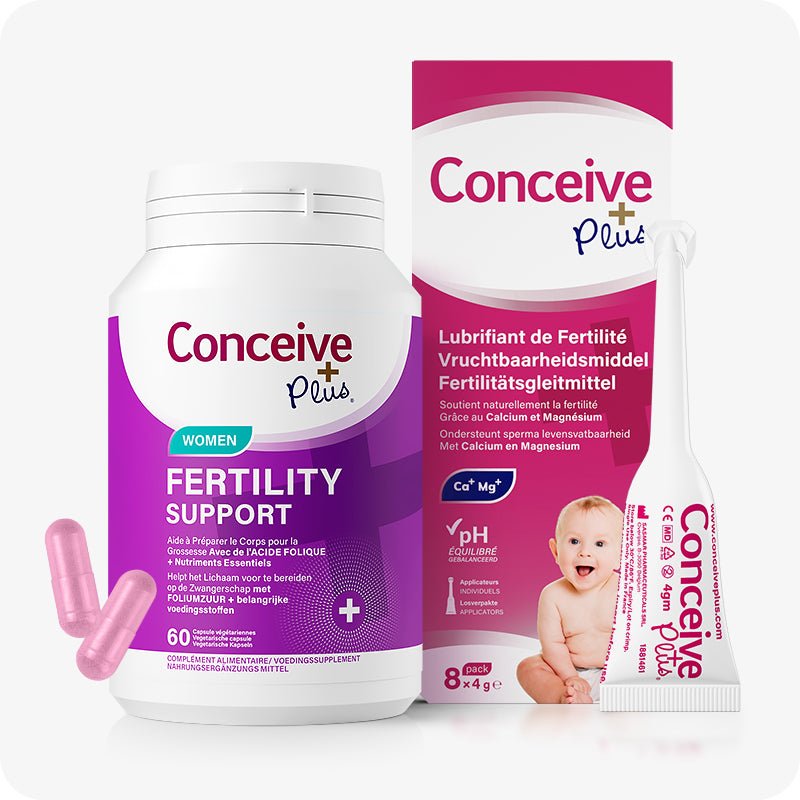
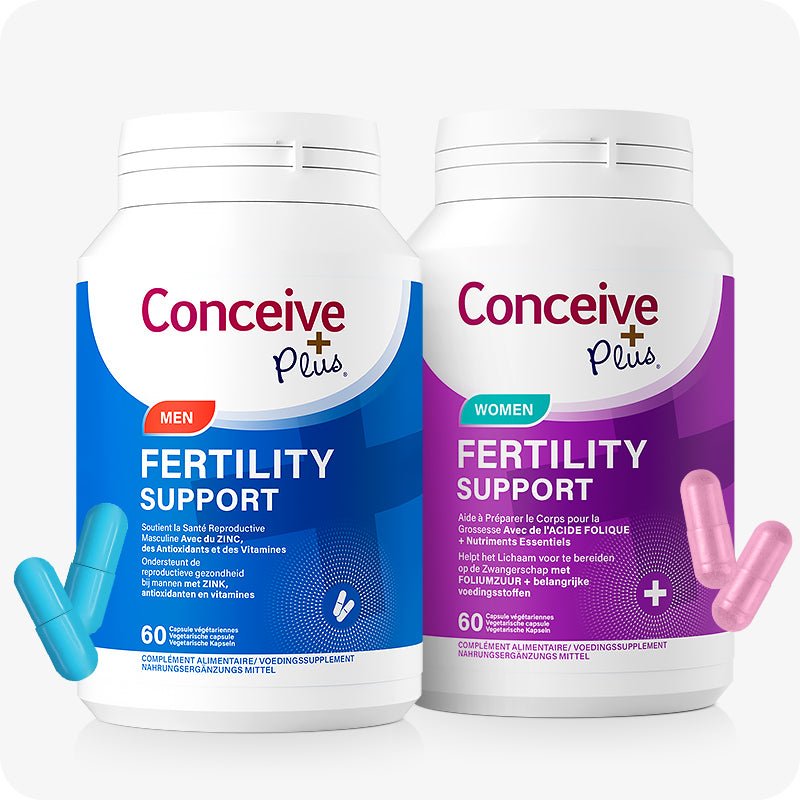
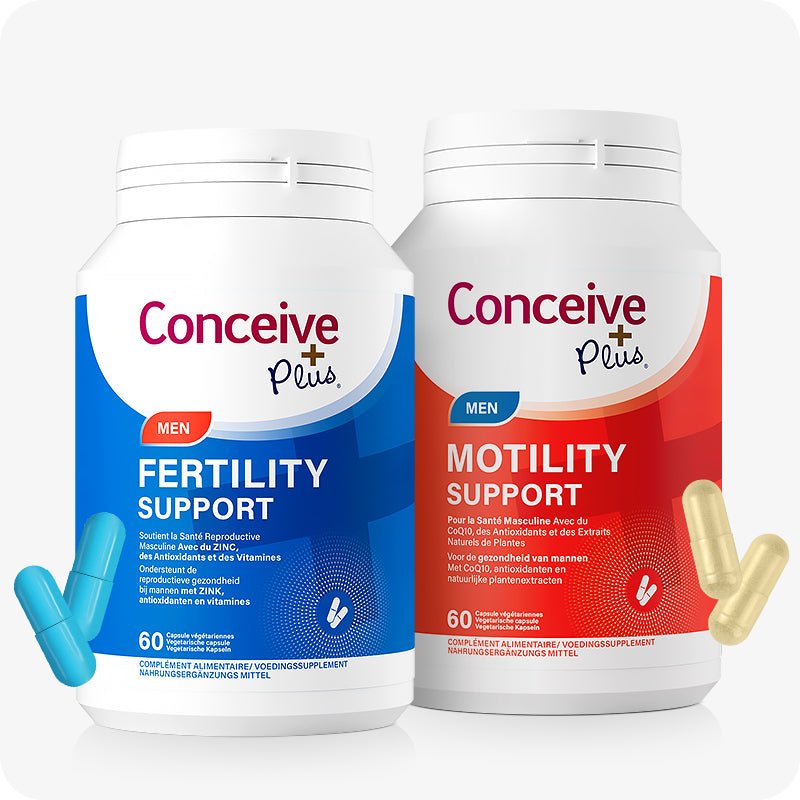
When it comes to fertility supplementation, quality and formulation matter. Conceive Plus is trusted by thousands of couples across Europe — with evidence-based supplements for both women and men, designed to support every stage of your fertility journey. Explore Conceive Plus Supplements →
Coenzyme Q10 (CoQ10) has emerged as one of the most discussed fertility supplements of the past decade, particularly for women with advanced maternal age or diminished ovarian reserve. The science behind it is compelling, even if some clinical questions remain.
The mitochondrial connection: CoQ10 is a fat-soluble antioxidant found in virtually every cell in the body, but it plays a particularly critical role in mitochondria — the cellular powerhouses. Eggs (oocytes) have the highest mitochondrial density of any human cell — each mature egg contains approximately 100,000–200,000 mitochondria. This extraordinary mitochondrial density is necessary to power the energy-intensive processes of fertilization, early cell division, and pre-implantation development.
Mitochondrial function declines with age, and this decline is one of the primary mechanisms behind age-related reductions in egg quality. CoQ10 — both as an energy substrate in the electron transport chain and as an antioxidant protecting mitochondrial membranes from oxidative damage — is central to maintaining mitochondrial function in aging eggs.
Clinical evidence: A landmark 2020 randomized controlled trial published in Aging found that CoQ10 supplementation (600 mg daily for 60 days before IVF stimulation) significantly improved ovarian response in poor-prognosis patients: those supplementing had more retrieved oocytes, higher fertilization rates, and more high-quality embryos compared to placebo. An earlier RCT in women with diminished ovarian reserve found similar results.
For men, CoQ10 is highly concentrated in sperm midpiece mitochondria and serves as a critical antioxidant in seminal plasma. A meta-analysis of six RCTs found that CoQ10 supplementation significantly improved sperm concentration, motility, and morphology.
Recommended dose: 200–600 mg daily of ubiquinol (the reduced, more bioavailable form) or ubiquinone. Higher doses (400–600 mg) are typically used for women over 35 or with diminished ovarian reserve. CoQ10 is fat-soluble; take with a meal containing fat for optimal absorption.
Myo-Inositol for PCOS and Ovarian Function
Inositol — particularly myo-inositol — has become one of the most evidence-supported supplements for women with polycystic ovarian syndrome (PCOS), the most common cause of ovulatory infertility, affecting approximately 10–15% of women of reproductive age across Europe.
The mechanism: Myo-inositol is a naturally occurring compound involved in insulin signaling pathways. PCOS is characterized by insulin resistance in many (though not all) patients — the body's cells don't respond normally to insulin, leading to compensatory hyperinsulinemia (high circulating insulin), which in turn drives excess ovarian androgen production (testosterone and DHEA), disrupts follicular development, and impairs ovulation. Myo-inositol acts as a second messenger in insulin signaling, improving cellular insulin sensitivity and reducing the downstream hormonal effects of insulin resistance.
Clinical evidence: Multiple randomized controlled trials have demonstrated that myo-inositol (typically 2–4 g per day) improves menstrual regularity, reduces androgen levels (LH, testosterone, DHEA-S), and restores ovulation in women with PCOS. A meta-analysis of 14 RCTs found that myo-inositol significantly reduced fasting insulin, testosterone levels, and improved the LH:FSH ratio — all key markers of PCOS severity.
Importantly, myo-inositol also improves egg quality. A comparison study of PCOS women undergoing IVF found that those pretreated with myo-inositol had significantly higher quality oocytes, higher fertilization rates, and more high-quality embryos compared to controls.
D-chiro-inositol and the ideal ratio: The body naturally converts myo-inositol to D-chiro-inositol (DCI) at a ratio of approximately 40:1 in most tissues. Some research has found that the ovary itself maintains a very high myo-inositol to DCI ratio, and that supplementing with too much DCI may actually impair ovarian function. Most current clinical evidence supports myo-inositol alone, or a 40:1 (myo:DCI) ratio supplement.
Recommended dose: 2–4 g myo-inositol daily (often combined with 200 mcg methylfolate). Generally well tolerated; some women experience mild GI symptoms at higher doses.
Key Minerals for Fertility: Zinc, Selenium, Iron, Magnesium
Several essential minerals play critical and distinct roles in reproductive health. Deficiency in any of these can meaningfully impair fertility, and many Europeans are deficient in at least one.
Zinc: An essential cofactor for over 300 enzymatic processes, zinc plays particularly important roles in fertility. In women, zinc is required for healthy follicular development, oocyte maturation, and ovulation. Animal studies have shown that even mild zinc deficiency impairs oocyte quality and fertilization. In men, zinc is essential for testosterone production, sperm maturation, and protecting sperm DNA from oxidative damage. The testes contain some of the highest zinc concentrations in the body. Dietary sources include oysters (by far the richest source), beef, pumpkin seeds, chickpeas, and cashews. Zinc supplementation (15–30 mg daily) is particularly beneficial for men with low dietary intake and is a standard component of male fertility supplement formulations.
Selenium: A cofactor for glutathione peroxidase — one of the body's most important antioxidant enzymes — selenium is particularly concentrated in reproductive tissues. In women, selenium protects oocytes from oxidative damage and is important for thyroid function (selenium deficiency is a risk factor for autoimmune thyroid disease, which can impair fertility). In men, selenium is essential for sperm tail structure (the protein selenoprotein P is a major component of the sperm flagellum) and motility. European soils are notably selenium-poor, making deficiency relatively common across the continent. Recommended intake is 55–200 mcg daily. Brazil nuts remain the richest food source.
Iron: Iron deficiency anaemia is a risk factor for ovulatory infertility. A prospective study from the Nurses' Health Study II found that supplemental iron intake was associated with a lower risk of ovulatory infertility. Iron is also critical for energy production and immune function. However, supplemental iron should not be taken without confirmed deficiency, as excess iron is pro-oxidant and can impair fertility. Full blood count and ferritin testing is recommended before supplementing.
Magnesium: Involved in over 600 enzymatic reactions, magnesium plays a role in progesterone production, implantation, and reducing systemic inflammation. Deficiency is associated with insulin resistance — a key driver of PCOS and ovulatory dysfunction. Magnesium glycinate or magnesium threonate are the most bioavailable forms. Typical dose 200–400 mg daily.
Omega-3 Fatty Acids and Reproductive Health
Omega-3 long-chain polyunsaturated fatty acids — particularly EPA (eicosapentaenoic acid) and DHA (docosahexaenoic acid) — are among the most evidence-backed supplements for both female and male fertility, as well as for pregnancy health.
For women: Omega-3 fatty acids reduce systemic and pelvic inflammation — a major factor in conditions like endometriosis, PCOS, and unexplained infertility. DHA is a major structural component of cell membranes, including egg membranes, and is essential for embryonic brain and neural development. Observational studies have found that women with higher omega-3 intake have better IVF outcomes, including higher clinical pregnancy rates. A 2022 study in Human Reproduction found that higher DHA levels in follicular fluid were associated with significantly better embryo quality.
For men: DHA is a major structural component of sperm membranes — particularly in the tail, where it influences motility. Low sperm DHA levels are strongly associated with reduced sperm motility and morphology. Randomized trials have demonstrated that omega-3 supplementation improves sperm morphology and DHA content in sperm membranes.
Anti-inflammatory mechanisms: EPA is metabolized into anti-inflammatory prostaglandins and resolvins, which may reduce the endometrial and peritoneal inflammation associated with endometriosis, and may improve endometrial receptivity for implantation.
Recommended dose: 1–3 g EPA+DHA daily. Algal oil omega-3 is a sustainable, vegan alternative to fish oil with equivalent bioavailability. Choose products with third-party purity certification (IFOS or similar) to ensure freedom from heavy metals and PCBs.
Vitamin D and Fertility: The Sunshine Vitamin's Role
Vitamin D deficiency is extraordinarily common in Europe — particularly in northern countries like the UK, Ireland, Scandinavia, and the Netherlands, where sunlight exposure is insufficient for cutaneous synthesis for much of the year. In many northern European populations, more than 40–60% of adults have suboptimal vitamin D levels (<50 nmol/L) during winter months.
Vitamin D receptors in reproductive tissues: Vitamin D receptors (VDR) are expressed in the ovary, uterus, endometrium, placenta, and sperm. This widespread expression reflects the vitamin's diverse roles in reproduction — from regulating ovarian steroidogenesis (sex hormone production) to modulating the immune environment of the uterus that governs implantation.
Evidence in female fertility: A systematic review of 11 studies found a consistent association between higher vitamin D levels and better IVF outcomes — including higher clinical pregnancy rates and live birth rates. Women with vitamin D levels above 50 nmol/L had significantly higher live birth rates per IVF cycle than those with deficiency. Vitamin D also appears to reduce the risk of developing PCOS and to improve metabolic markers (including insulin sensitivity) in women who already have PCOS.
Evidence in male fertility: Vitamin D receptors are present in sperm and in Sertoli and Leydig cells (the testicular cells that support sperm production and testosterone synthesis). Studies have found associations between vitamin D status and sperm motility, and some trials have found that vitamin D supplementation improves testosterone levels in deficient men.
Recommended action: Test vitamin D (25-OH-D) levels; aim to achieve 75–100 nmol/L before conception. Typical supplementation for deficient individuals: 1,000–4,000 IU daily (cholecalciferol, D3). Vitamin K2 (100–200 mcg MK-7) is often co-supplemented to direct calcium to bones rather than soft tissues when supplementing vitamin D long-term.
How to Choose a Quality Fertility Supplement
Not all fertility supplements are created equal. The supplement industry is far less regulated than pharmaceuticals, and product quality varies enormously. Here's how to evaluate supplements intelligently:
Look for evidence-based ingredients at clinically studied doses: The dose matters as much as the ingredient. CoQ10 at 30 mg is not the same as CoQ10 at 400 mg. Compare the doses in a product against those used in the clinical trials that generated the evidence.
Check the form of nutrients: Methylfolate (5-MTHF) vs. folic acid; ubiquinol vs. ubiquinone (CoQ10); cholecalciferol (D3) vs. ergocalciferol (D2); magnesium glycinate vs. magnesium oxide. The form determines bioavailability and efficacy.
Third-party testing: Look for products certified by independent testing organizations — NSF International, Informed Sport, or USP — which test for label accuracy, purity, and absence of contaminants. This is especially important for products marketed to pregnant or trying-to-conceive women.
Avoid proprietary blends with undisclosed doses: "Proprietary blend" labels that list combined ingredient weights without individual doses make it impossible to evaluate whether clinically relevant amounts of each nutrient are present.
Red flags: Extravagant claims ("guaranteed pregnancy in 90 days"), no third-party testing, undisclosed dosing, exotic or unresearched ingredients at the expense of established nutrients, extreme prices or MLM distribution models.
Individualize your approach: The "best" fertility supplement depends on your specific situation. A woman with PCOS will benefit most from myo-inositol; a woman over 38 may prioritize CoQ10; a man with poor motility may focus on L-carnitine and DHA. Testing for deficiencies (vitamin D, iron/ferritin, zinc) allows targeted supplementation rather than broad coverage.
Frequently Asked Questions
When should I start taking fertility supplements?
Ideally, 3–6 months before you begin trying to conceive. This allows time for nutrient levels to optimize, particularly for CoQ10 (which takes 8–12 weeks to reach stable levels in tissues) and vitamin D (which may take 3+ months to correct deficiency). Folate supplementation should begin at least 1 month before conception — ideally 3 months — to adequately build stores before neural tube closure occurs.
Can my partner take the same fertility supplements?
Many nutrients benefit both partners — folate, CoQ10, zinc, selenium, omega-3s, and vitamin D are all important for sperm quality as well as egg quality. However, some supplements are gender-specific. Myo-inositol for PCOS is primarily studied in women, while L-carnitine for sperm motility is primarily studied in men. Couples may benefit from taking both a female and a male fertility formula.
Is it safe to take fertility supplements while trying to conceive naturally?
For most couples, yes — the evidence-based supplements discussed here (methylfolate, CoQ10, myo-inositol, omega-3s, zinc, selenium, vitamin D) are generally safe at recommended doses throughout the preconception period and into early pregnancy. Always inform your GP or midwife of any supplements you are taking, particularly if you are taking medications.
Can I get all fertility nutrients from food alone?
A balanced, varied diet provides many fertility-supporting nutrients. However, certain nutrients — particularly CoQ10, vitamin D, and omega-3 DHA — are difficult to obtain in therapeutic amounts from food alone. Methylfolate from food varies significantly based on cooking methods (folate is heat-sensitive). Supplementation bridges the gap between what diet provides and what research suggests is optimal for fertility.
Do fertility supplements guarantee pregnancy?
No. Fertility supplements support the biological environment in which conception occurs — they do not guarantee conception or override significant fertility challenges. They are best understood as optimizing the cellular and hormonal foundation for conception, not as fertility treatments in themselves.
Is CoQ10 safe during pregnancy?
CoQ10 is generally considered safe, and some research has investigated its use in pregnancy for the prevention of preeclampsia. However, safety data in early pregnancy is limited compared to later stages. Many practitioners recommend continuing CoQ10 through the first trimester (when egg quality benefits are still relevant for early development) but discuss this decision with your healthcare provider.
What is the MTHFR gene and does it affect my fertility?
MTHFR (methylenetetrahydrofolate reductase) is an enzyme that converts folic acid into its active form. Common variants (C677T, A1298C) reduce enzyme activity, impairing folate metabolism. The homozygous C677T variant is associated with elevated homocysteine (a cardiovascular and pregnancy risk), reduced folate availability, and potentially higher risk of early pregnancy loss and neural tube defects. Testing for MTHFR is available through private labs; if positive, supplementing with methylfolate (5-MTHF) rather than synthetic folic acid is recommended.
How long should I take fertility supplements?
For preconception optimization, 3–6 months of supplementation before trying to conceive is ideal. Most supplements can safely continue through pregnancy — especially folate, vitamin D, and omega-3s, which have well-established pregnancy benefits. Once pregnant, transition to a high-quality prenatal multivitamin and continue any supplements recommended by your healthcare provider.
Should I take a multivitamin or individual supplements?
Both have advantages. A quality prenatal or preconception multivitamin provides a convenient foundation of key nutrients. However, individual supplements allow dose adjustment based on personal needs — for example, adding higher-dose CoQ10 for women over 35, or myo-inositol for PCOS. Many fertility specialists recommend a high-quality multi as the foundation, supplemented with targeted additions based on individual assessment.
Can fertility supplements interact with medications?
Some interactions exist. High-dose zinc can interfere with copper absorption; high-dose folic acid can mask vitamin B12 deficiency; omega-3s at very high doses can affect platelet function. Myo-inositol may enhance the effects of metformin and other insulin-sensitizing drugs. Always inform your prescribing doctor about supplements, particularly if you are taking metformin, anticoagulants, thyroid medication, or any medication for a chronic condition.
When it comes to fertility supplementation, quality and formulation matter. Conceive Plus is trusted by thousands of couples across Europe — with evidence-based supplements for both women and men, designed to support every stage of your fertility journey. Explore Conceive Plus Supplements →