Fertility Myths Debunked: Separating Evidence-Based Facts from Common Misconceptions


Myth #1: Fertility Problems Are Almost Always a Woman's Issue
Male factor infertility contributes to 40-50% of all infertility cases — roughly equal to female factors. Male factors are the sole cause in 20-30% of cases and contribute alongside female factors in another 20-30%. Common issues include low sperm count, poor motility, abnormal morphology, and sperm DNA fragmentation. Male fertility testing is simple, non-invasive, and relatively inexpensive. Every couple struggling to conceive should ensure both partners are evaluated from the start.
Myth #2: You Can Get Pregnant Any Day of the Month
Pregnancy can only occur during the fertile window — approximately six days per cycle: the five days before ovulation and the day of ovulation itself. The egg survives only 12-24 hours after release. Having intercourse outside this window, regardless of frequency, will not result in pregnancy. Ovulation tracking through OPKs, cervical mucus observation, or BBT charting is essential for identifying your personal fertile window rather than relying on calendar guesses.
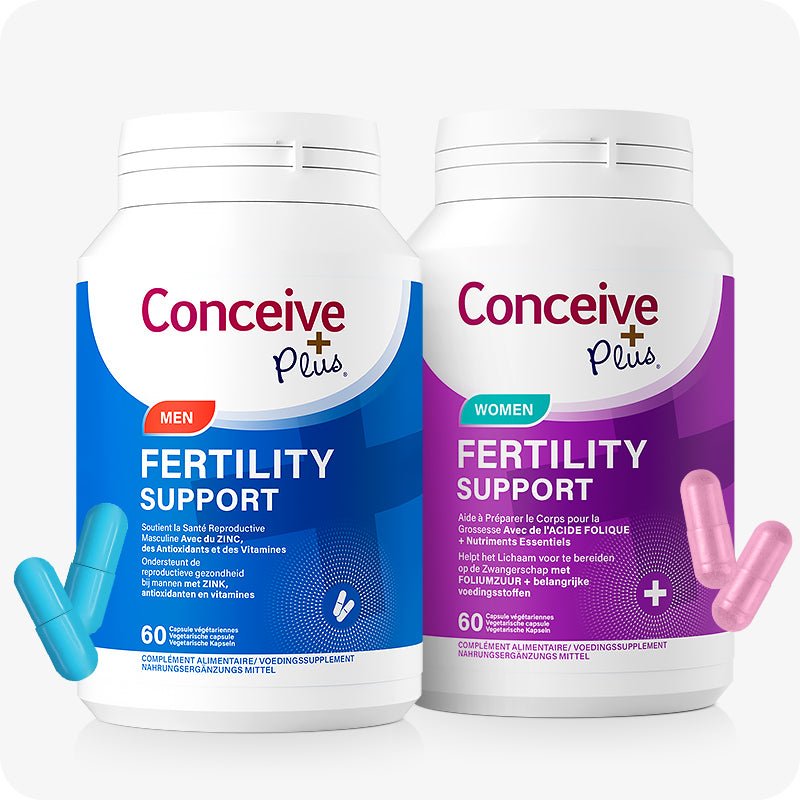
💙 Conceive Plus Prenatal — daily prenatal vitamin with methylated folate, CoQ10, omega-3 DHA and active B vitamins for egg quality and implantation support. Learn more →
Myth #3: Just Relax and It Will Happen
Being told to just relax is not only unhelpful, it implies infertility is your fault. While chronic stress can modestly impact reproductive hormones, stress alone rarely causes infertility in otherwise healthy individuals. The more significant dynamic is that infertility itself causes stress — creating a difficult cycle. Stress management is valuable for overall well-being and may modestly support fertility, but it is not a substitute for medical evaluation and treatment of underlying conditions.
Myth #4: Fertility Treatments Always Result in Multiples
Modern IVF emphasises elective single embryo transfer (eSET), which has dramatically reduced multiple pregnancy rates while maintaining excellent success rates. Ovulation induction medications do carry a higher risk of multiples, as they stimulate the ovaries to produce multiple eggs. However, careful monitoring with ultrasound and blood work helps mitigate this risk. Most fertility patients today can expect a singleton pregnancy, and reputable clinics prioritise this as the safest outcome.
Myth #5: Wait a Full Year Before Seeking Help
The one-year guideline applies only to women under 35 with no known risk factors. Women over 35 should seek help after 6 months, and women over 40 need immediate evaluation. Additionally, anyone with irregular periods, known endometriosis, PCOS, prior chemotherapy, or a family history of early menopause should seek earlier evaluation regardless of age. Waiting unnecessarily can reduce treatment options and success rates.
Myth #6: All Lubricants Are Sperm-Safe
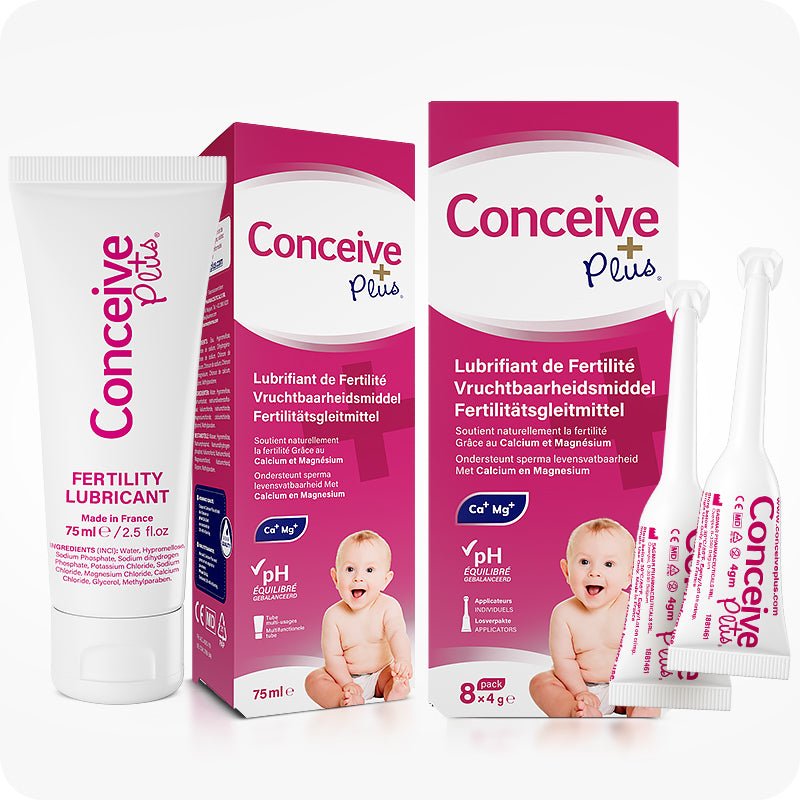
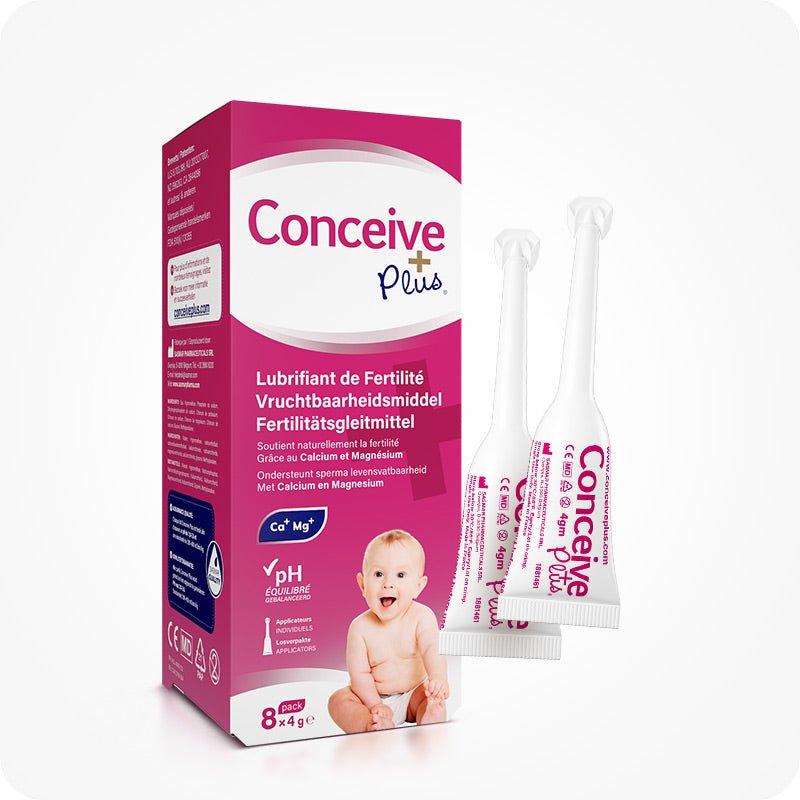
Many common personal lubricants significantly impair sperm function. A study in Fertility and Sterility found that many lubricant brands reduced sperm motility by 60-100%. Ingredients like glycerin, propylene glycol, and parabens create environments hostile to sperm. Fertility-friendly lubricants are specifically formulated to be iso-osmotic and pH-balanced to match fertile cervical mucus. Conceive Plus Fertility Lubricant is one of the most clinically studied sperm-safe lubricants, proven not to harm sperm motility while providing the comfort needed for regular intercourse during the fertile window.
Frequently Asked Questions
Is it true that most fertility issues are caused by women?
No. Male factors contribute to 40-50% of infertility cases, equally to female factors.
Can you get pregnant any day of the month?
No. Pregnancy can only occur during the fertile window — approximately six days per cycle.
Does stress cause infertility?
Chronic stress can modestly impact fertility, but it rarely causes infertility alone.
Do fertility treatments always result in twins?
No. Modern IVF emphasises single embryo transfer, and most patients have singleton pregnancies.
Should I wait a year before seeing a specialist?
Only if under 35 with no risk factors. Over 35, seek help after 6 months; over 40, seek immediate evaluation.
Are all lubricants safe for conception?
No. Many standard lubricants impair sperm motility. Always use a fertility-friendly, sperm-safe lubricant.
💙 Ready to support your journey? Conceive Plus Prenatal — daily prenatal vitamin with methylated folate, CoQ10, omega-3 DHA and active B vitamins for egg quality and implantation support. Shop now →