Fertility Diet: The Evidence-Based Guide to Eating for Conception


Fertility Diet: The Evidence-Based Guide to Eating for Conception
What you eat in the months before trying to conceive has a profound impact on your fertility — and your partner's. Research from Harvard Medical School, the Nurses' Health Study, and dozens of randomised controlled trials have collectively built an overwhelming case: diet significantly influences ovulation, egg quality, sperm health, uterine receptivity, and early embryo development. This guide translates that research into practical, actionable nutrition strategies for couples who are trying to conceive.
Why Diet Matters More Than Most People Realise
Fertility is not just about having sex at the right time. It is a biological process that depends on hormonal balance, cellular energy, DNA integrity, and tissue quality — all of which are profoundly influenced by nutritional status. Consider:
- Egg development (oogenesis) takes approximately 90 days. The nutritional environment during those 90 days directly affects egg quality.
- Sperm production (spermatogenesis) takes 72–74 days. Diet and supplementation during this window affects sperm count, motility, morphology, and DNA fragmentation.
- Implantation requires a receptive endometrium — the quality of which depends on adequate micronutrient status and low levels of systemic inflammation.
- Early embryo development (before the placenta forms) relies entirely on maternal stores of folate, choline, and zinc for DNA methylation and neural tube development.
The Harvard Nurses' Health Study II, which followed over 17,000 women, found that women who made specific dietary changes reduced their risk of ovulatory infertility by up to 80%. This is one of the most compelling statistics in the entire fertility literature and speaks to the transformative potential of diet for conception.
The Fertility Diet Framework: Mediterranean Principles
Fertility Superfoods: Targeted Foods Worth Eating Every Week
Beyond following the general Mediterranean framework, certain foods appear repeatedly in fertility research as particularly powerful for reproductive health. Here are the evidence-backed fertility superfoods worth making a consistent part of your diet:
Avocado
Rich in monounsaturated fats, vitamin E, vitamin K, folate, and potassium. Studies examining IVF outcomes found that women who consumed more monounsaturated fats — primarily from avocado and olive oil — had 3.4 times higher rates of live birth than those who ate the least. One avocado provides 22% of your daily folate requirement.
Eggs
Eggs are one of the most complete fertility foods available. They provide high-quality protein, choline (critical for neural tube development and brain formation — most prenatals don't contain enough), vitamin D, B12, selenium, and lutein. The yolk specifically contains many of the most important fertility nutrients, so avoid removing it. Free-range and enriched eggs also provide higher levels of omega-3 DHA.
Lentils and Legumes
Lentils are one of the highest plant-based sources of folate, providing approximately 90% of the daily recommended intake in a single cup. They are also rich in iron, protein, zinc, and slow-digesting carbohydrates that support blood sugar stability — a key factor in ovulatory fertility. Making legumes a daily part of your fertility diet (soups, stews, salads) is one of the most cost-effective nutritional investments you can make.
Dark Leafy Greens
Spinach, kale, Swiss chard, rocket, and watercress all deliver folate, iron, calcium, vitamin K, vitamin C, and lutein. They are among the most nutrient-dense foods on earth. Aim for at least two large portions of leafy greens per day — raw in salads, cooked in stir-fries, or blended into smoothies.
Pomegranate
Pomegranate juice and seeds are rich in polyphenolic antioxidants — particularly punicalagins and ellagic acid. Animal studies have shown pomegranate extract improves uterine blood flow and endometrial lining thickness. While human data is limited, the antioxidant profile makes it a worthwhile addition to a fertility diet.
Fermented Foods
Gut microbiome health increasingly appears to influence reproductive outcomes. Fermented foods — kefir, yoghurt, kimchi, sauerkraut, miso, tempeh — support a diverse gut microbiome that regulates systemic inflammation, hormone metabolism, and nutrient absorption. Women with more diverse gut microbiomes have been shown to have better IVF outcomes in emerging research.
The Role of Body Weight and Fertility
BMI is one of the most significant modifiable predictors of fertility in women. The relationship is not linear — both extremes are problematic:
Underweight (BMI <18.5): Low body fat disrupts the hypothalamic-pituitary-ovarian axis, often causing anovulation or irregular cycles. The body essentially interprets low body fat as a signal that it is not safe to become pregnant. Achieving a healthy weight through caloric adequacy and reduced exercise intensity is a clinical priority before TTC.
Overweight (BMI 25–29.9) and Obese (BMI >30): Excess adipose tissue is hormonally active, producing oestrogen and inflammatory cytokines that disrupt ovulation and implantation. Women with BMI above 30 have significantly lower rates of spontaneous conception and IVF success. Each 5-unit increase in BMI above 24 is associated with a measurable reduction in pregnancy rates.
The good news is that weight loss of as little as 5–10% of body weight in overweight women has been shown to restore ovulatory cycles and significantly improve fertility. The fertility diet — with its emphasis on whole foods, low-GI carbohydrates, and anti-inflammatory eating — naturally supports healthy weight management without the need for extreme restriction.
Alcohol, Caffeine, and Environmental Toxins: What the Evidence Shows
Alcohol
No safe level of alcohol consumption during the pre-conception period has been established. Studies show even light drinking (3–6 drinks per week) is associated with reduced fecundity and increased time to conception. The NICE fertility guidelines and most reproductive endocrinologists recommend complete abstinence when actively trying to conceive. For the male partner, alcohol reduces testosterone production and increases sperm DNA fragmentation — both partners should minimise or eliminate alcohol intake during the TTC period.
Caffeine
The evidence on caffeine and fertility is more nuanced. Consumption below 200 mg per day (approximately one to two cups of coffee) does not appear to significantly impair fertility or early pregnancy outcomes. Above 300 mg per day, there is evidence of reduced fecundity and potentially increased miscarriage risk. Keep caffeine to one to two cups of coffee per day, and consider switching to green tea — which provides antioxidants alongside a lower caffeine dose.
Endocrine Disruptors
Phthalates (plasticisers in PVC products), BPA (bisphenol A, found in polycarbonate plastics and can linings), pesticide residues, and certain personal care product ingredients act as xenoestrogens — chemicals that mimic oestrogen and disrupt the hormonal balance needed for ovulation and implantation. Practical steps to reduce exposure include: switching to glass or stainless steel water bottles, buying organic produce for thin-skinned fruits and vegetables, choosing fragrance-free personal care products, and avoiding heating food in plastic containers.
Ready to support your fertility journey?
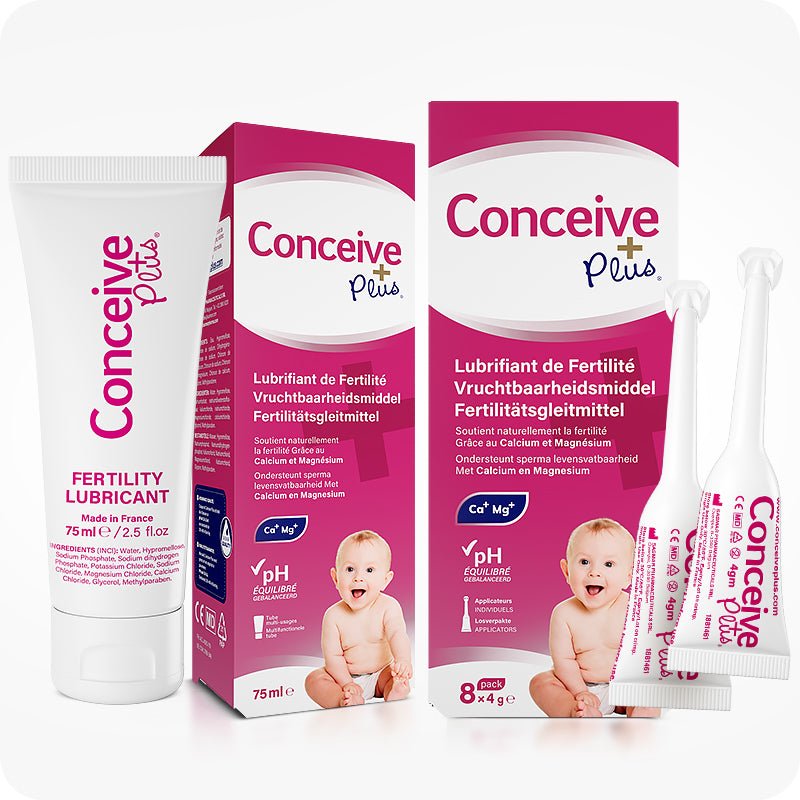
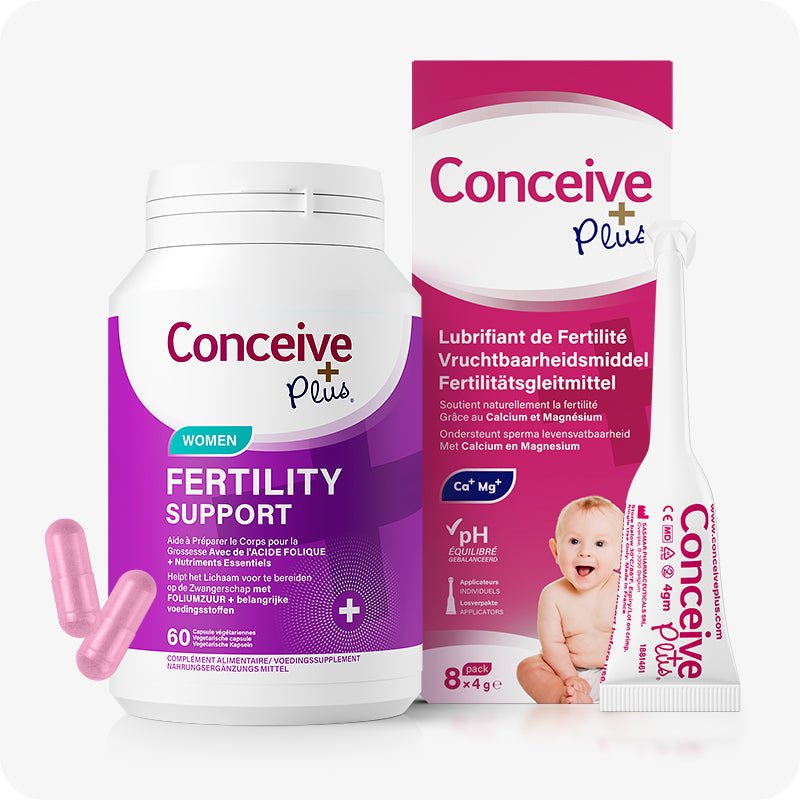
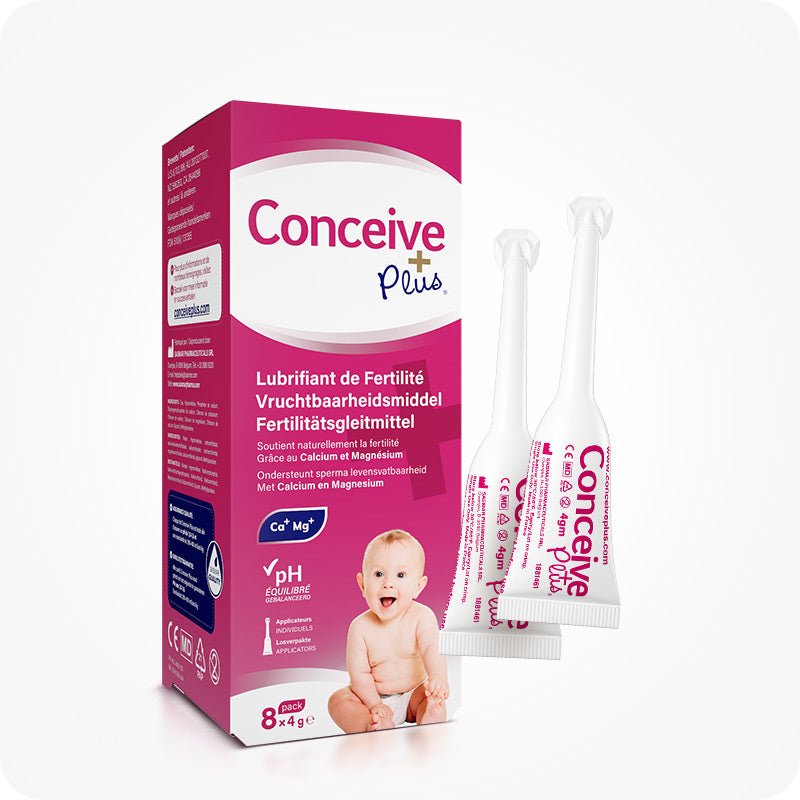
Thousands of couples trust Conceive Plus to give them the best possible chance of conceiving. Conceive Plus fertility supplements and lubricant give your conception journey a clinically backed foundation.
Shop Conceive Plus Now →The most consistently supported fertility diet pattern across research is the Mediterranean diet. It emphasises:
- Abundant vegetables and fruits: Multiple daily servings of colourful produce rich in antioxidants
- Whole grains over refined carbohydrates: Quinoa, oats, brown rice, and wholegrain bread rather than white bread, pasta, and pastries
- Legumes daily: Lentils, chickpeas, beans — excellent source of plant protein, folate, and iron
- Fish 2–3 times per week: Particularly oily fish rich in omega-3 fatty acids
- Olive oil as the primary fat: Rich in oleocanthal and polyphenols with anti-inflammatory properties
- Moderate dairy: Full-fat dairy appears more fertility-supportive than low-fat (more on this below)
- Limited red meat: Replaced largely by plant proteins and fish
- Minimal processed foods, sugar, and trans fats
A 2018 meta-analysis in Human Reproduction Update found that adherence to a Mediterranean diet was associated with significantly higher rates of clinical pregnancy and live birth in IVF patients — independent of other factors.
Key Fertility Nutrients: What to Prioritise
Folate (Folic Acid)
Folate is the foundation of any fertility nutrition plan. It is essential for DNA synthesis, cell division, and neural tube development in early pregnancy. The NHS, WHO, and all major fertility guidelines recommend women take 400–800 mcg of folate daily when trying to conceive. Women with the MTHFR gene variant should use methylfolate (the active form) rather than synthetic folic acid.
Food sources: Dark leafy greens (spinach, kale, rocket), asparagus, broccoli, Brussels sprouts, lentils, chickpeas, edamame, and fortified cereals.
Iron
The Harvard study identified iron intake as one of the strongest dietary predictors of ovulatory fertility. Women who obtained iron primarily from plant sources (non-haem iron) rather than red meat had significantly lower rates of ovulatory infertility. This doesn't mean avoiding meat — but it does highlight the value of plant iron sources.
Food sources: Lentils, kidney beans, tofu, spinach, pumpkin seeds, dark chocolate, and fortified cereals. Pair with vitamin C to maximise absorption.
Omega-3 Fatty Acids
Omega-3s — particularly DHA and EPA — are critical for egg quality, embryo development, and reducing inflammation. The ovarian environment contains omega-3 fatty acids, and higher follicular fluid concentrations of omega-3s are associated with higher rates of fertilisation and blastocyst development. For men, omega-3s are essential components of sperm cell membranes.
Food sources: Oily fish (salmon, mackerel, sardines, trout), flaxseeds, chia seeds, walnuts, and hemp seeds. If you don't eat fish regularly, an omega-3 supplement (DHA+EPA from marine or algae sources) is recommended.
Antioxidants
Oxidative stress — the imbalance between free radical production and antioxidant defence — is one of the leading causes of both male and female infertility. Antioxidants in food neutralise free radicals before they damage eggs, sperm, or embryonic DNA.
Key antioxidants for fertility:
- Vitamin C: Strawberries, citrus, peppers, kiwi, broccoli
- Vitamin E: Almonds, sunflower seeds, avocado, olive oil
- Lycopene: Cooked tomatoes, watermelon (improves sperm morphology)
- Coenzyme Q10 (CoQ10): Oily fish, organ meats (beef heart), soy, sesame seeds
- Beta-carotene: Sweet potatoes, carrots, pumpkin, leafy greens
Protein: Quality and Source Matter
The Harvard study found that substituting plant protein for animal protein significantly reduced the risk of ovulatory infertility. Women who got more of their protein from vegetables, beans, nuts, and seeds had better ovulatory function than those who ate more chicken, red meat, and processed meats.
This doesn't mean eliminating all animal protein — fish and eggs are excellent fertility foods. But prioritising plant proteins and fish over red meat and processed meats is a consistent evidence-based recommendation.
Full-Fat vs. Low-Fat Dairy
One of the more counterintuitive findings from the Harvard study was that full-fat dairy products (whole milk, full-fat yoghurt, cheese) were associated with lower rates of ovulatory infertility, while low-fat dairy was associated with higher rates. The proposed mechanism is that skimming milk removes some of the fat-soluble hormones (including oestrogens and progesterone) that may support ovarian function.
Practical recommendation: One to two servings of full-fat dairy per day (a glass of whole milk, a pot of full-fat Greek yoghurt) if you are trying to conceive.
Complex Carbohydrates and Glycaemic Index
High glycaemic index (GI) foods — white bread, refined pasta, sugary cereals, sweets — cause rapid blood sugar spikes followed by insulin surges. Insulin drives androgen production in the ovaries, which can disrupt ovulation. Women with PCOS are particularly sensitive to this effect.
The fertility diet prioritises low-GI carbohydrates: oats, quinoa, sweet potatoes, legumes, whole grain bread, and most vegetables. These provide sustained energy without the hormonal disruption of high-GI foods.
Foods to Limit or Avoid on a Fertility Diet
- Trans fats: Found in many processed, packaged, and fried foods. The Harvard study found that just 2% of daily energy from trans fats was associated with a 73% increase in ovulatory infertility. Check labels for "partially hydrogenated oils."
- Sugar-sweetened beverages: Associated with reduced fertility in both men and women; increase insulin resistance and systemic inflammation.
- Processed meats: Associated with poorer sperm quality and reduced fertility in men.
- Alcohol: Even moderate consumption is associated with reduced fertility. NICE guidelines recommend women trying to conceive avoid alcohol entirely; men should drink no more than 14 units per week, and ideally less.
- Caffeine: Up to 200–300 mg per day (2 cups of coffee) appears safe, but higher amounts are associated with slightly reduced fertility and increased miscarriage risk.
- Soy in excess: Phytoestrogens in soy may interfere with hormonal balance in large quantities. Moderate consumption (1–2 servings daily of edamame or tofu) is considered safe.
The Fertility Diet for Men
Male fertility nutrition is often neglected, despite contributing to half of all infertility cases. For men, the fertility diet has specific emphases:
- Zinc-rich foods: Oysters, beef, pumpkin seeds, lentils — essential for testosterone synthesis and sperm production
- Selenium: Brazil nuts (1–2 per day), tuna, sunflower seeds — critical for sperm tail development and motility
- Lycopene: Cooked tomato products — consistently shown to improve sperm morphology
- Walnuts: A UCLA study found daily walnut consumption significantly improved sperm vitality, morphology, and motility
- Avoid soy in excess: High soy consumption may reduce testosterone and impair sperm production
- Limit alcohol: Even moderate drinking reduces testosterone and increases DNA fragmentation
Fertility Supplements: Filling the Nutritional Gaps
Even the best fertility diet rarely provides all nutrients at optimal doses for conception. Key supplements to consider alongside a fertility diet include:
- Folate/Methylfolate (400–800 mcg): For women — required from before conception through the first trimester
- Vitamin D (1,000–2,000 IU): Deficiency is widespread and associated with fertility problems in both sexes
- Omega-3 (DHA + EPA): 500–1,000 mg daily from marine or algae sources
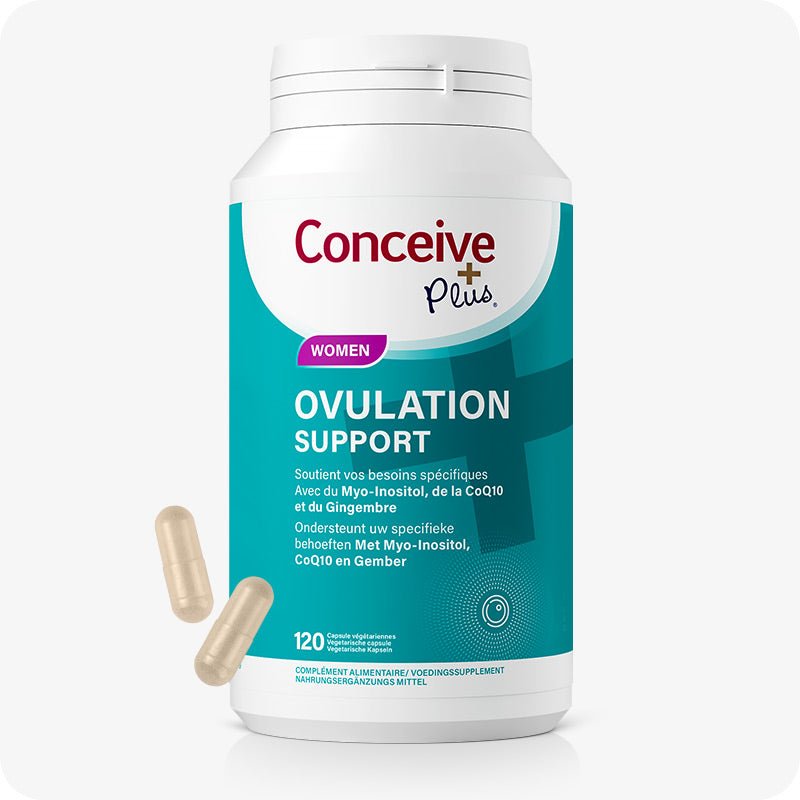
- CoQ10 (200–600 mg): For egg quality (women over 35 especially) and sperm motility (men)
- Iron (women only, if deficient): Critical for ovulatory fertility
- Zinc + Selenium (men): Targeted male fertility support
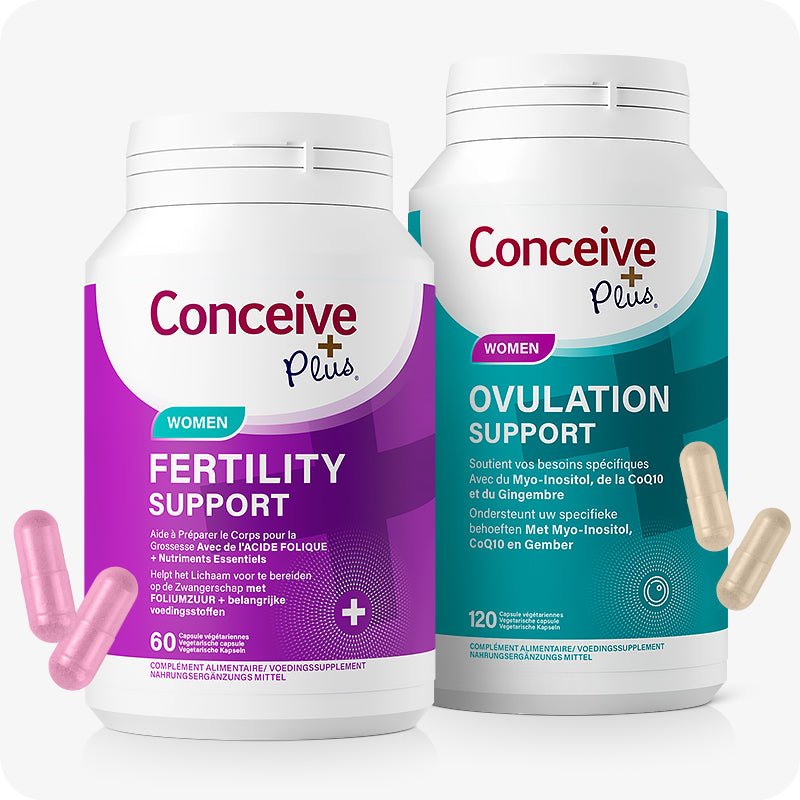
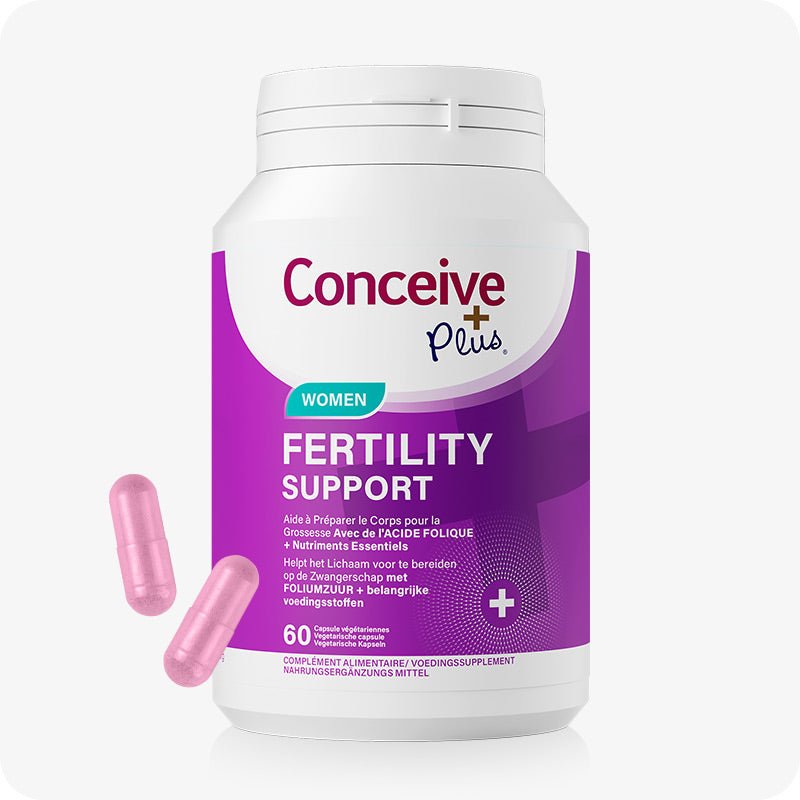
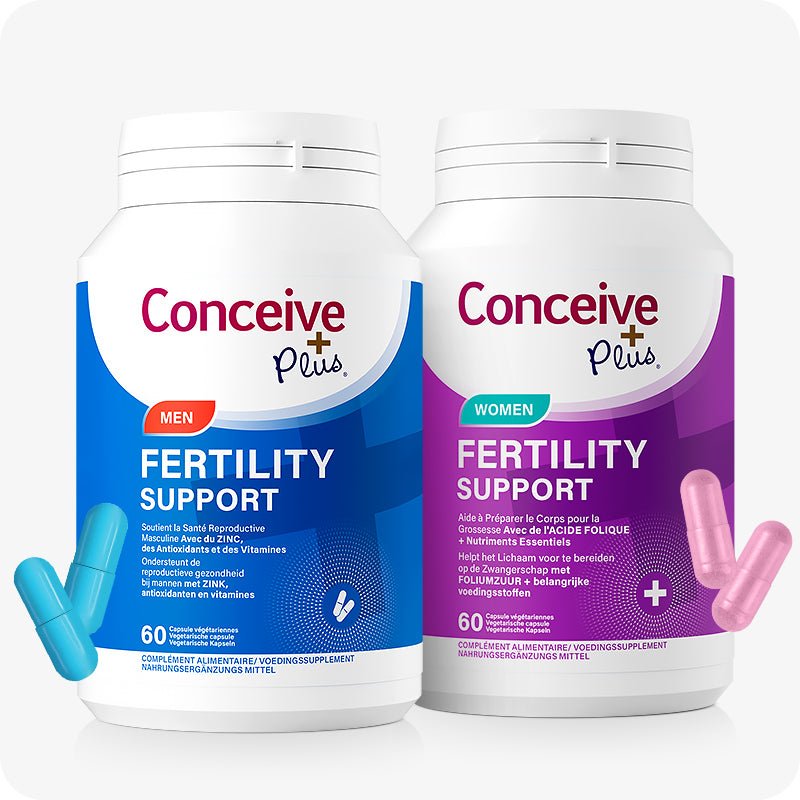
Conceive Plus offers targeted fertility supplements for both women and men that provide clinically validated doses of all key fertility nutrients in one easy daily regimen — removing the complexity of managing multiple separate supplements.
Sample Fertility Diet Meal Plan
Breakfast: Overnight oats with chia seeds, blueberries, and walnuts + a glass of whole milk or full-fat Greek yoghurt with honey
Mid-morning: Apple and a small handful of almonds
Lunch: Large salad with spinach, rocket, roasted sweet potato, chickpeas, avocado, pumpkin seeds, and grilled salmon, drizzled with olive oil and lemon
Afternoon snack: Two Brazil nuts + a kiwi fruit
Dinner: Lentil and vegetable curry with turmeric and leafy greens, served over brown rice with a side of tomato-based sauce; or grilled mackerel with roasted asparagus and quinoa
Evening: A small square of dark chocolate (70%+) for antioxidants
Frequently Asked Questions: Fertility Diet
Q: How long does it take for diet to improve fertility?
Egg and sperm quality are both influenced by nutritional status over approximately 90 days. Start your fertility diet at least 3 months before you want to conceive for maximum benefit.
Q: Is organic food necessary for a fertility diet?
Some pesticide residues (particularly on the "dirty dozen" produce list) may act as endocrine disruptors. If budget allows, prioritise organic for thin-skinned fruits and vegetables. Wash all produce thoroughly regardless.
Q: Can I follow a fertility diet if I'm vegan?
Yes, but careful planning is required. Ensure adequate intake of vitamin B12 (supplement essential), omega-3 DHA/EPA (algae-based supplement), zinc, iron, and iodine. A well-planned whole-food vegan diet with appropriate supplements can fully support fertility.
Q: Does being underweight affect fertility?
Yes significantly. BMI below 18.5 disrupts the hypothalamic-pituitary axis, often causing anovulation or irregular cycles. Achieving a healthy BMI before conception is a clinical priority.
Q: What is the single most important thing I can do with my diet for fertility?
Eliminate trans fats. The research on trans fats and ovulatory infertility is among the strongest in the fertility diet literature. Even small reductions in trans fat intake have significant fertility benefits.
Q: Does alcohol really affect fertility that much?
Yes. Even light drinking (3–6 drinks per week) has been associated with reduced fecundity in some studies. For women, alcohol disrupts the hormonal cycle; for men, it reduces testosterone and increases DNA fragmentation. Both partners should limit alcohol when trying to conceive.
Q: What's the best supplement to start with for fertility?
For women: a good-quality prenatal vitamin with methylfolate. For men: a targeted male fertility supplement with zinc, selenium, CoQ10, and vitamin D. Conceive Plus offers both in clinically formulated combinations designed specifically for TTC couples.
Conclusion: Your Plate Is Your Fertility Foundation
The fertility diet is not a short-term fix or a strict elimination protocol. It is a sustainable, evidence-based way of eating that creates the optimal biological environment for conception to occur. By adopting Mediterranean-style eating patterns, prioritising fertility-supporting nutrients, and eliminating the foods most associated with reproductive harm, you are investing in both your fertility and your long-term health.
Start with one meal. Make the swap from white pasta to quinoa, from processed snacks to walnuts, from soft drinks to water and whole milk. Each choice accumulates. Over three months of consistent eating and targeted supplementation, the difference in egg quality, sperm quality, and hormonal balance can be substantial.
Your future child's conception begins on your plate, today.
Start your fertility journey with confidence.
Clinically tested, trusted by fertility specialists worldwide. Conceive Plus is designed for couples serious about conception.
View Full Range →